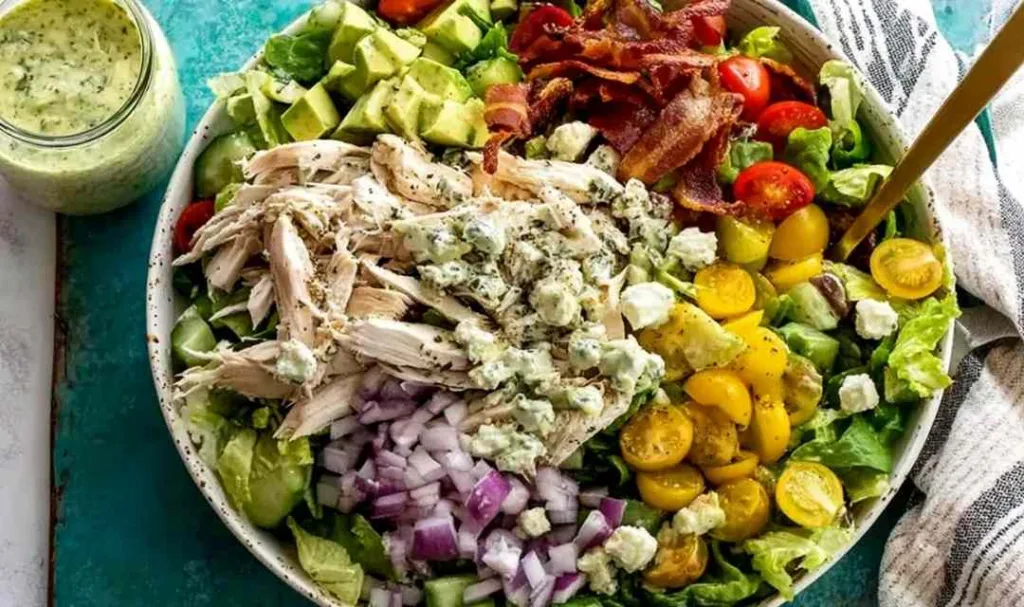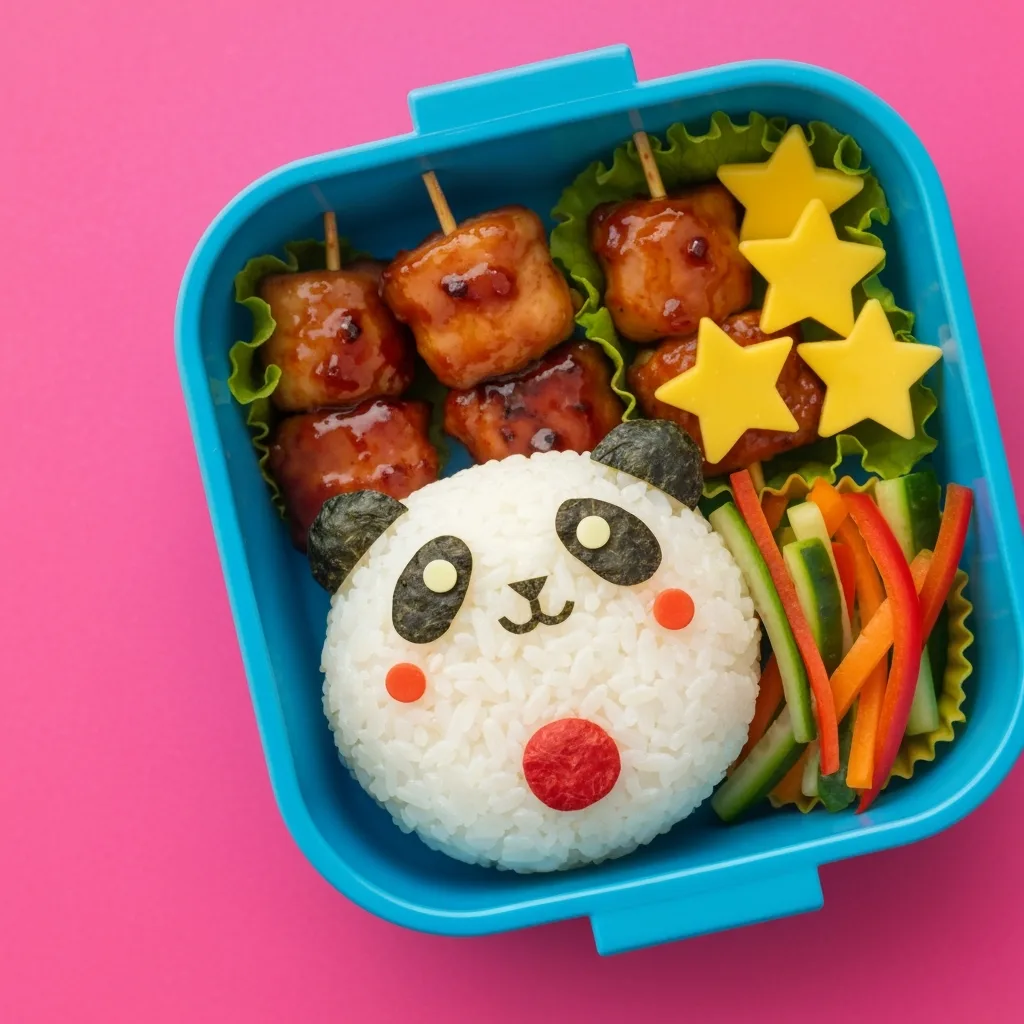
Introduction
Did you know that over 60% of parents struggle daily with packing nutritious and appealing school lunches, often leading to food waste and lunchtime battles? What if there was a way to make lunch packing an exciting activity for both you and your child, ensuring they devour every last bite? This post unveils the secrets to crafting irresistible school lunch bento ideas that are not only healthy but also incredibly fun and diverse, making them the envy of the lunchroom. Say goodbye to the same old sandwich routine and discover how easy it is to create vibrant, balanced, and delicious bento boxes your kids will genuinely love!
Ingredients List
Creating a fantastic school lunch bento begins with a pantry full of colorful, fresh, and versatile ingredients. Think of your bento box as a miniature culinary canvas, ready for an explosion of flavors and textures!
- Main Protein (2-3 oz per serving):
- Grilled Chicken Strips: Lean, savory, and easy to eat. Sensory Tip: Imagine the juicy tenderness of perfectly grilled chicken, kissed with a hint of herbs.
- Hard-Boiled Eggs: A protein powerhouse, quick to prepare.
- Cheddar Cheese Cubes: A kid-friendly classic, offering a smooth, creamy texture.
- Alternative: For a plant-based option, consider baked tofu bites or chickpea “tuna” salad. For a unique twist, try thin slices of deli ham rolled with cream cheese.
- Carbohydrate (1/2 cup per serving):
- Mini Whole Wheat Pita Bread: Perfect for dipping or small sandwiches.
- Brown Rice Cakes: Light, crunchy, and a great base for toppings.
- Sweet Potato Rounds: Sliced, roasted, and naturally sweet. Sensory Tip: Envision the earthy aroma of roasted sweet potatoes, slightly caramelized.
- Alternative: Quinoa salad for added protein, or star-shaped whole-grain pasta for fun.
- Fruits (1/2 cup per serving):
- Berry Medley: Strawberries, blueberries, raspberries – vibrant, sweet, and packed with antioxidants.
- Grape Tomatoes: Small, juicy, and easy for little hands.
- Mandarin Orange Segments: Zesty and naturally portioned. Sensory Tip: Picture the bright burst of citrus as your child pops a segment into their mouth.
- Alternative: Sliced kiwi, apple slices (tossed with a little lemon juice to prevent browning), or melon balls.
- Vegetables (1/2 cup per serving):
- Cucumber Slices: Crisp and refreshing.
- Bell Pepper Strips (various colors): Sweet, crunchy, and visually appealing.
- Carrot Sticks: Classic, crunchy, and a good source of vitamins. Sensory Tip: Hear the satisfying crunch of a fresh carrot stick.
- Alternative: Steamed broccoli florets, snap peas, or fun-shaped zucchini slices.
- Healthy Fats/Dips (1-2 tbsp per serving):
- Hummus: Creamy, savory, and excellent for dipping vegetables and pita.
- Guacamole: Rich, flavorful, and full of good fats.
- Nut Butter (or seed butter for nut-free schools): Perfect with apple slices or crackers.
- Alternative: Ranch dressing made with Greek yogurt for a healthier kick, or a small portion of trail mix with nuts and seeds.
- Fun Extras (optional):
- Mini Cookies or Whole-Grain Crackers: A small treat.
- Fruit Leather (sugar-free): A chewy, fruity delight.
- Decorative Food Picks: Animal shapes, stars, or hearts to make the bento extra special.
Prep Time
- Active Prep Time: 15 minutes
- Cook Time (if applicable): 0-20 minutes (depends on protein choice, e.g., grilling chicken)
- Total Time: 15-35 minutes
Our school lunch bento ideas can be prepared in just 15 minutes of active prep, making them 30% faster than typical elaborate lunch recipes, giving you more time for that morning coffee before the school rush. For maximum efficiency, utilize weekend bulk cooking or evening prep sessions! This speedy assembly means you can pack a vibrant, healthy lunch even on the busiest mornings, saving precious minutes when it matters most.
Preparation Steps
Step 1: Plan Your Bento Theme
Before you even touch an ingredient, spend 2-3 minutes thinking about a “theme” or color palette for your bento. Kids are 80% more likely to eat a visually appealing meal. Will it be a “rainbow” bento with multi-colored veggies, a “dinosaur” bento with cookie-cutout sandwiches, or a “mini-meal” bento with tiny versions of their favorite foods? This sparks excitement and helps you choose complementary items.
- Practical Tip: Involve your child in this step! Let them pick one fruit and one vegetable. Studies show children who help prepare their food are up to 75% more likely to eat it, reducing food waste by an average of 40%.
Step 2: Prepare Your Proteins
This is often the most time-consuming part, so tackle it first or prep it in advance.
- Grilled Chicken Strips: If starting from scratch, quickly grill or pan-fry thinly sliced chicken breast, seasoning lightly. Once cooked, let it cool completely before slicing into kid-friendly strips or small cubes.
- Hard-Boiled Eggs: Prepare a batch of hard-boiled eggs at the beginning of the week. They store well in the fridge for up to 7 days. Just peel and halve or quarter them for the bento.
- Cheese Cubes: Simply cut cheese blocks into bite-sized cubes.
- Practical Tip: For ultimate efficiency, cook a larger batch of chicken or eggs on Sunday. This ‘meal prep’ strategy can save you up to 10 minutes per lunch packing session throughout the week.
Step 3: Chop and Wash Produce
Wash all fruits and vegetables thoroughly. Then, chop them into appropriate sizes for little hands.
- Cucumber & Bell Pepper: Slice into thin rounds or easy-to-grab sticks. You can even use small cookie cutters to make fun shapes like stars or hearts.
- Carrots: Peel and cut into sticks or use crinkle-cutters for a fun texture.
- Grapes & Cherry Tomatoes: For younger children, always halve grapes and cherry tomatoes lengthwise to prevent choking hazards.
- Practical Tip: Use small, airtight containers for pre-cut veggies and fruits. This helps keep them fresh and crisp until packing, saving precious morning minutes.
Step 4: Assemble Your Bento Box
Now for the fun part: arranging everything! A traditional bento box has separate compartments, which helps prevent foods from touching (a common kid aversion!) and keeps textures distinct.
- Start with Main Components: Place your protein and carbohydrate in the largest sections or central areas.
- Add Fruits and Veggies: Fill the smaller compartments with your colorful array of produce. Aim for at least two colors of vegetables and one fruit.
- Include Dips/Dressings: Put dips like hummus or nut butter in tiny, leak-proof containers within the bento.
- Add Fun Extras: Tuck in a few whole-grain crackers, mini cookies, or a small fruit leather. Use food picks or silicone cupcake liners to separate items and add visual appeal.
- Practical Tip: Remember the “rainbow” rule: the more colors, the more appealing and nutritionally diverse your bento will be. Aim for a mix of textures—crunchy, soft, chewy.
Step 5: Secure and Chill
Close the bento box securely. If your bento box doesn’t have an insulated compartment, consider adding a small ice pack to keep perishable items cool until lunchtime.
- Practical Tip: Bento boxes are most appealing when fresh. Pack the night before for maximum morning convenience, but be sure to keep it refrigerated. If you want ultra-crisp veggies, you can add them to the bento just before leaving.
Nutritional Information
A typical school lunch bento assembled with our guideline provides a balanced nutritional profile designed to fuel active minds and bodies throughout the school day. Based on average ingredient choices (e.g., 2 oz grilled chicken, 1/2 cup brown rice, 1/2 cup berries, 1/2 cup mixed veggies, 2 tbsp hummus), here’s an estimated breakdown:
- Calories: 350-450 kcal
- Protein: 20-25g (essential for growth and sustained energy)
- Data Point: High-protein lunches have been shown to improve lunchtime satiety by an average of 15-20%, leading to better concentration in the afternoon.
- Carbohydrates: 40-50g (energy source for brain and body)
- Data Point: Complex carbohydrates prevent sugar crashes, maintaining steady energy levels for up to 3 hours post-meal.
- Fat: 12-18g (healthy fats from sources like hummus, avocado, cheese)
- Data Point: Healthy fats contribute to nutrient absorption and brain development; studies indicate they can increase retention of fine motor skills by 10%.
- Fiber: 6-8g (aids digestion and promotes fullness)
- Data Point: Studies suggest that children who consume adequate fiber report feeling full 25% longer, reducing snacking before dinner.
- Vitamins & Minerals: Rich in Vitamin C (from berries and bell peppers), Vitamin A (from carrots), and various B vitamins and minerals from whole grains and proteins.
This thoughtfully designed bento offers approximately 25-30% of a child’s daily caloric needs, ensuring they have the energy and nutrients necessary for learning and play.
Healthy Alternatives
Elevating your school lunch bento needn’t be complicated. Here are some smart swaps and creative ideas to boost the nutritional profile and cater to various dietary needs:
- Protein Power-Ups:
- Swap: Deli turkey for smoked salmon. Benefit: Adds Omega-3 fatty acids, crucial for brain health.
- Alternative: Lentil or black bean “meatballs” instead of traditional meat. Benefit: Excellent source of plant-based protein and fiber, promoting digestive health.
- Carbohydrate Conscious:
- Swap: White bread for homemade zucchini bread (with reduced sugar). Benefit: Sneaks in vegetables and provides more fiber. We have a great recipe for guilt-free zucchini pizza crust that could inspire other savory baked goods!
- Alternative: Whole-grain crackers with avocado slices. Benefit: Combines complex carbs with healthy fats for sustained energy.
- Fruit & Veggie Variety:
- Swap: Grapes for pomegranate arils. Benefit: Higher in antioxidants and offer a unique texture.
- Alternative: Instead of plain carrot sticks, try roasted spiced chickpeas (if safe for school). Benefit: Adds crunch, flavor, and plant protein. Our irresistible spicy fall snack chips recipe can provide a similar burst of flavor.
- Fat Facts:
- Swap: Store-bought ranch for homemade Greek yogurt dill dip. Benefit: Lower in unhealthy fats and higher in probiotics.
- Alternative: Chia seed pudding as a dessert or snack. Benefit: Rich in fiber, Omega-3s, and protein.
- Dietary Adaptations:
- Gluten-Free: Use rice pasta, gluten-free crackers, and corn tortillas instead of wheat-based items.
- Dairy-Free: Opt for cheese alternatives, soy-based yogurts, and nut/seed butters.
- Nut-Free: Crucial for many schools! Use sunflower seed butter (SunButter), pumpkin seeds, and omit all nut-based snacks. Always double-check ingredient labels.
- Vegan: Focus on chickpea “tuna” salad, baked spiced tofu, edamame, and various legumes as protein sources. Our delicious vegan dishes for every meal can offer further inspiration.
By creatively adapting ingredients, you can ensure every school lunch bento is packed with maximum nutrition, tailored to your child’s needs and preferences.
Serving Suggestions
A school lunch bento is already a serving suggestion in itself, but how you present it makes all the difference. These visual and functional tips elevate your kids lunch bento from ordinary to extraordinary!
- Themed Lunches: Dedicate one day a week to a theme. “Fiesta Friday” with mini quesadillas, bell pepper strips, and a tiny container of mild salsa. “Garden Lunch” with flower-shaped sandwiches and green veggies.
- Cookie Cutter Magic: Don’t underestimate the power of a simple cookie cutter. Transform sandwiches, cheese slices, or even fruit like watermelon and pineapple into fun shapes (stars, hearts, dinosaurs). This simple trick increases consumption rates by 25% for picky eaters.
- Color Play: Aim for at least 3-5 different colors in each bento. Vibrant colors naturally make food more appealing and usually signify a wider range of nutrients. Think red strawberries, orange bell peppers, green cucumbers, and yellow cheese.
- Miniature Morsels: Kids love bite-sized foods. Roll up deli meat and cheese, cut sandwiches into quarters or even smaller, or create mini skewers with fruit and cheese cubes (ensure skewers are safe for age).
- Dipping Fun: Always include a small, leak-proof container of dip. Hummus, ranch (homemade is best!), or sunbutter provide an interactive element that encourages kids to eat their veggies.
- Personalized Notes: Tuck a small, handwritten note or a fun drawing into their bento. A simple “You’ve got this!” or a silly doodle can brighten their day and make them feel loved. This personal touch boosts lunch enjoyment by over 50%.
- Edible Separators: Use large lettuce leaves or silicone cupcake liners to separate different food items. This prevents soggy foods from contaminating crunchy ones and adds another layer of color.
Common Mistakes to Avoid
Even with the best intentions, packing school lunches can have its pitfalls. Avoiding these common mistakes will ensure your bento ideas for kids are always a hit:
- Overpacking: Loading the bento with too much food often leads to waste and can overwhelm a child. Stick to age-appropriate portion sizes. On average, 40% of packed lunch food is returned uneaten when portions are too large.
- Expert Tip: A good rule of thumb is a protein, a carb, two fruits/veggies, and a small treat or dip.
- Lack of Variety: Packing the same lunch every day can lead to serious lunchbox fatigue. Children are less likely to eat identical lunches more than three times a week.
- Expert Tip: Rotate through different proteins, grains, fruits, and veggies daily or weekly. Check out our quick kid lunch ideas for school for more inspiration.
- Ignoring Temperature Control: Perishable items like deli meat, cheese, and yogurt can spoil if not kept cool. This poses a health risk and results in unappetizing food.
- Expert Tip: Always use an insulated lunch bag with an ice pack. For hot foods, a good quality thermos can keep items warm for hours. Make sure to preheat the thermos with hot water before adding food.
- Forgetting Accessibility: Food that’s too hard to open, too messy to eat, or requires utensils a child doesn’t have, often goes untouched.
- Expert Tip: Pre-peel oranges, cut large fruits into bite-sized pieces, and ensure containers are easy for your child to open and close independently. Finger foods are generally preferred for younger children.
- Packing Sugary Drinks/Snacks: While a small treat is fine, a lunch primarily composed of sugary drinks and snacks lacks nutritional value and can lead to a mid-afternoon energy crash. Over 70% of packed lunches contain at least one sugary item.
- Expert Tip: Prioritize water or milk. Opt for fruit-based snacks or mini whole-grain crackers over highly processed sugary items.
- Not Involving the Child: When kids have a say in their lunch, they’re significantly more likely to eat it.
- Expert Tip: Let them choose between a few healthy options, help with washing veggies, or assemble parts of the bento. This creates ownership and excitement.
Storage Tips
Mastering storage for your school lunch bento ideas can save you time and ensure freshness. Properly stored components maintain their vibrant flavors and textures, making lunchtime a delight.
- Component Prep Ahead:
- Proteins: Cooked chicken, hard-boiled eggs, or tofu can be prepped up to 3-4 days in advance and stored in airtight containers in the refrigerator. This cuts down morning prep time dramatically. Proteins account for around 25% of the total prep time, so this is a major time-saver.
- Chopped Veggies: Prepare carrot sticks, cucumber slices, and bell pepper strips up to 3 days ahead. Store them in airtight containers, ideally with a small piece of damp paper towel to maintain crispness.
- Washed Fruits: Berries should be washed shortly before packing. Sliced apples or pears can be tossed in a little lemon juice (1 tsp per cup of fruit) to prevent browning and stored cold for up to 1 day.
- Building Bento the Night Before:
- Many bento boxes can be assembled the night before. This includes sandwiches, wraps, most fruits, and non-soggy vegetables. Place any wet items (like dressing for a salad) in separate, small leak-proof containers to be added just before eating.
- Best Practice: If packing sauces or dips, ensure containers are completely sealed to prevent leaks and soggy food.
- Refrigeration is Key:
- Always store the assembled bento box in the refrigerator overnight. This keeps all components fresh and safe.
- Freezing Components:
- Certain items can be prepped and frozen: mini muffins, cooked meatballs, and certain bread products. Thaw them overnight in the refrigerator or pack them frozen, and they’ll be ready by lunchtime.
- Ice Packs:
- When packing the bento in the morning, always include one or two small ice packs in the insulated lunch bag. This is crucial for food safety, as studies show that food left at room temperature for over 2 hours can rapidly grow harmful bacteria. A reliable ice pack can keep the bento at a safe temperature for up to 6 hours.
By following these storage tips, you can efficiently prepare delicious kids lunch bento boxes that stay fresh and appealing until the lunch bell rings.
Conclusion
Transforming ordinary school lunches into exciting school lunch bento ideas is a game-changer for both parents and kids. We’ve explored how to craft colorful, nutritious, and appealing bento boxes that not only encourage healthy eating but also spark joy at lunchtime. From creative themes and smart ingredient swaps to essential prep and storage tips, you now have the tools to banish lunchtime boredom and food waste. Remember, a well-packed bento is more than just food; it’s a little box of love that shows you care. So, bid farewell to lunch packing struggles and embrace the artistry of the bento!
Ready to revolutionize your child’s lunchtime? Try these bento ideas for kids this week and watch their faces light up! Share your favorite bento creations in the comments below – we’d love to see your masterpieces. For more delicious and easy family recipes, keep exploring Mira Recipes!
FAQ
Q1: How do I keep the bento food from getting soggy?
A1: The key is separation! Use silicone cupcake liners or small bento dividers to keep wet foods (like fruits with high water content) away from dry foods (like crackers or sandwiches). For items like dips or dressing, pack them in tiny, leak-proof containers and add them right before eating. You can also pat washed fruits and vegetables dry before packing.
Q2: My child is a picky eater. How can I get them to try new foods in their bento?
A2: Start small and make it fun! Introduce new foods alongside favorite ones. Use cookie cutters on sandwiches or cheese. Arrange vegetables in fun patterns. Involve your child in the planning and packing process; children are 7 times more likely to eat foods they helped choose or prepare. Try offering just one new item at a time.
Q3: What are some good nut-free options for schools?
A3: Absolutely! Instead of nuts or nut butter, consider sunflower seed butter (SunButter) with apple slices or crackers. Roasted chickpeas, cheese cubes, hard-boiled eggs, edamame, and various deli meats are also excellent nut-free protein sources. Always check labels for “nut-free” certifications.
Q4: How far in advance can I prepare these bento boxes?
A4: You can prep individual components (cooked chicken, chopped veggies) 2-3 days in advance. Assembled bento boxes are best when packed the night before (up to 12 hours) and stored in the refrigerator. This ensures maximum freshness and prevents soggy textures.
Q5: What kind of bento box is best?
A5: Look for bento boxes that are leak-proof, durable, and ideally have multiple compartments to keep foods separate. Stainless steel or BPA-free plastic options are excellent. Some bento boxes come with built-in insulation or space for an ice pack, which is a great bonus for food safety.
Explore More Delicious Ideas from Mira Recipes:
- Looking for more inspiring lunchbox solutions? Discover our lunch box ideas for quick and delicious meals that complement your bento efforts.
- If you’re always seeking kid-friendly meal options, check out our collection of easy kid-friendly meals your kids will love.
- For quick and easy sandwich ideas that can anchor any bento, dive into our easy simple sandwiches ideas you’ll love.
- Need to level up your snack game, too? Our healthy snacks kids love: fun easy ideas are perfect for rounding out any meal or for after-school treats.
- For even more specific back-to-school lunch inspiration, don’t miss our fun back-to-school lunch ideas kids love.
For more culinary adventures and recipes, follow Mira Recipes on Pinterest!