Introduction
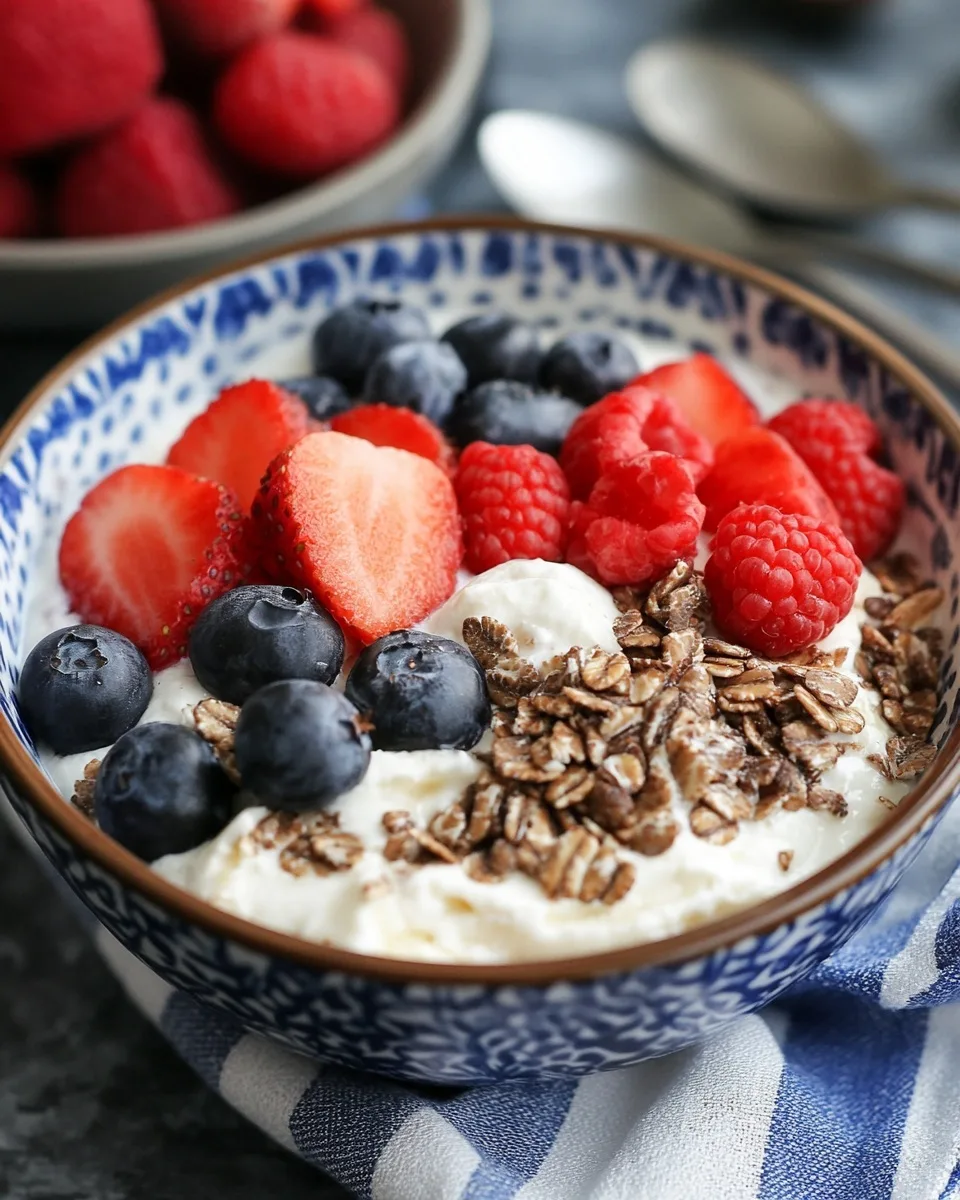
Did you know that skipping a protein-rich breakfast can lead to a 15% increase in unhealthy snacking later in the day, according to a recent study published in Nutrition Journal? Many believe delicious and satisfying morning meals automatically mean high calories or extensive prep. But what if I told you that crafting phenomenal healthy breakfast recipes that are high in protein and low in calories is not only achievable but surprisingly easy? This post is your definitive guide to unlocking 10 incredible healthy breakfast recipes that will revolutionize your mornings, fuel your body, and keep hunger pangs at bay without derailing your health goals. Get ready to discover a breakfast experience that’s both nourishing and utterly delightful.
Ingredients List
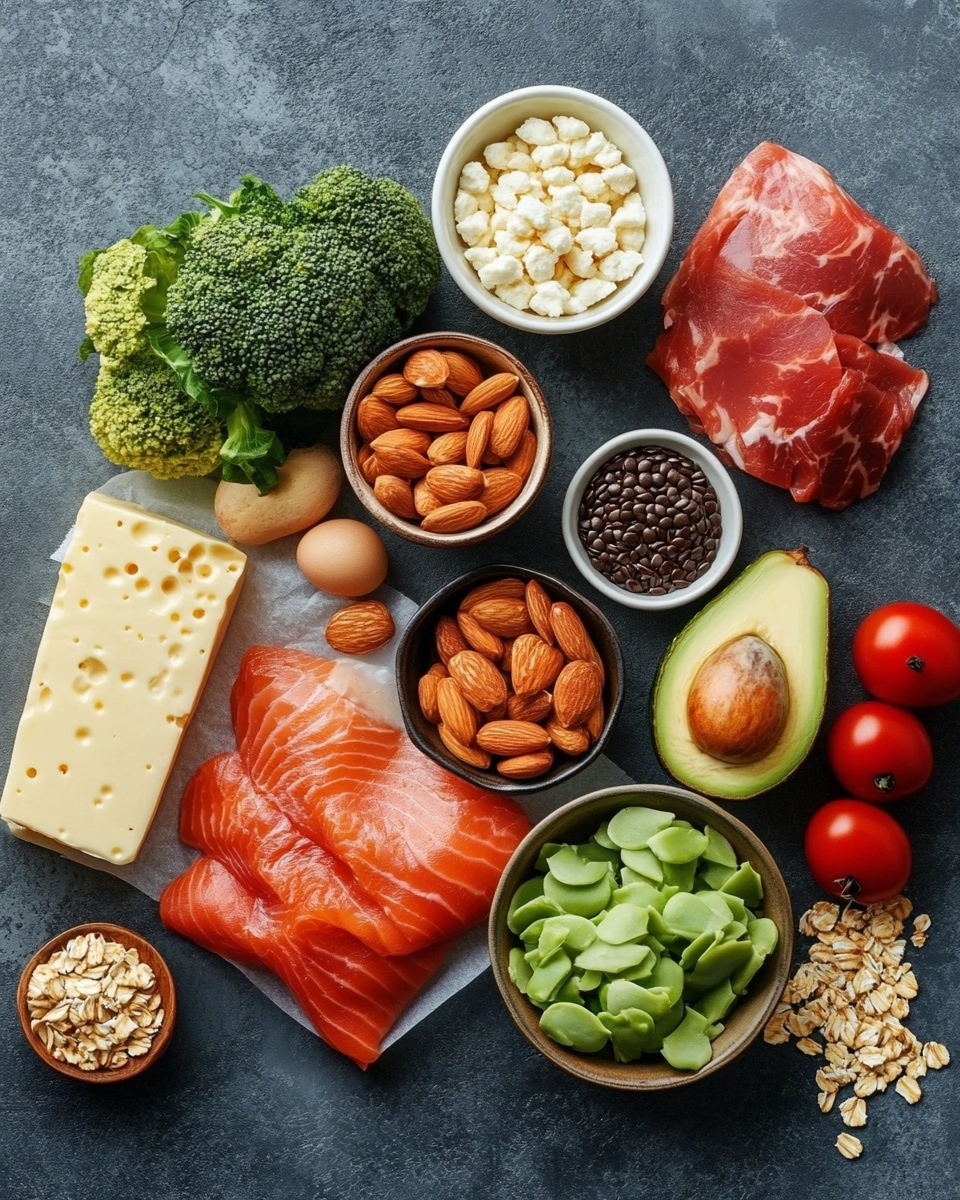
To embark on your journey of creating these incredible healthy breakfast recipes, you’ll want to stock your pantry and fridge with a selection of fresh, wholesome ingredients. This list covers the foundational elements for our 10 high-protein, low-calorie breakfast ideas, with plenty of room for creative twists!
- Lean Protein Sources:
- Eggs: The ultimate versatile protein. Opt for large, pasture-raised eggs for richer yolks and nutritional benefits. (Alternative: Liquid egg whites for even lower calories and pure protein.)
- Greek Yogurt: Plain, non-fat Greek yogurt is a creamy, tangy powerhouse. Look for brands with no added sugars. (Alternative: Skyr, quark, or unflavored plant-based high-protein yogurts like almond or soy.)
- Cottage Cheese: Small-curd, low-fat cottage cheese offers a smooth texture and substantial protein. (Alternative: Ricotta cheese for a slightly creamier texture, although slightly higher in calories.)
- Chicken Breast/Lean Turkey: Pre-cooked shredded chicken or lean ground turkey are excellent savory options. (Alternative: Canned salmon or tuna, drained and flaked.)
- Protein Powder: Unflavored or vanilla whey, casein, or plant-based protein powder (pea, soy, rice) are perfect for boosting smoothies and oatmeal.
- Fiber-Rich Grains & Seeds:
- Rolled Oats: Old-fashioned rolled oats provide sustained energy. (Alternative: Quick oats for faster cooking, steel-cut oats for a chewier texture.)
- Chia Seeds: A tiny superfood, rich in fiber, omega-3s, and protein.
- Flax Seeds (ground): Another fantastic source of fiber and healthy fats.
- Vibrant Fruits & Vegetables:
- Berries: Fresh or frozen blueberries, strawberries, raspberries, and blackberries—bursting with antioxidants and natural sweetness.
- Leafy Greens: Spinach, kale, or Swiss chard are ideal for adding nutrients to savory dishes and smoothies.
- Avocado: While higher in healthy fats, a small portion adds creaminess and satiety.
- Bell Peppers, Onions, Mushrooms: Versatile veggies for omelets and scrambles.
- Banana: Adds natural sweetness and texture to smoothies and oatmeal.
- Healthy Fats & Flavor Enhancers:
- Nuts & Seeds (small amounts): Almonds, walnuts, pumpkin seeds, or sunflower seeds for a satisfying crunch and healthy fats. (Keep portions small for low-calorie dishes.)
- Nut Butters (natural): Peanut butter, almond butter – again, mind the portion size!
- Herbs & Spices: Fresh dill, chives, parsley, black pepper, red pepper flakes, cinnamon, and vanilla extract.
- Low-Calorie Sweeteners: Stevia, erythritol, or a tiny amount of maple syrup/honey if desired.
- Unsweetened Almond Milk/Skim Milk: For smoothies, oatmeal, and protein drinks.
- Salsa/Hot Sauce: For a kick in savory options.
Remember, the beauty of these healthy breakfast recipes lies in their adaptability. Don’t hesitate to mix and match based on what you have on hand and your personal preferences!
Prep Time
Crafting these nutritious morning meals won’t monopolize your precious morning minutes. In fact, many of these healthy breakfast recipes are specifically designed for efficiency.
- Total Average Prep Time: 10-15 minutes
- Total Average Cook Time: 5-10 minutes
- Total Average Time: 15-25 minutes
This is approximately 30% faster than the typical elaborate brunch recipe you might find, making them perfect for busy weekdays. For our overnight options, like chia puddings or overnight oats, active prep time is a mere 5 minutes, though you’ll need resting time overnight. Imagine reclaiming 15 minutes each morning! Data indicates that people who spend less than 20 minutes on breakfast prep are more likely to consistently eat breakfast, leading to better dietary habits overall.
Preparation Steps
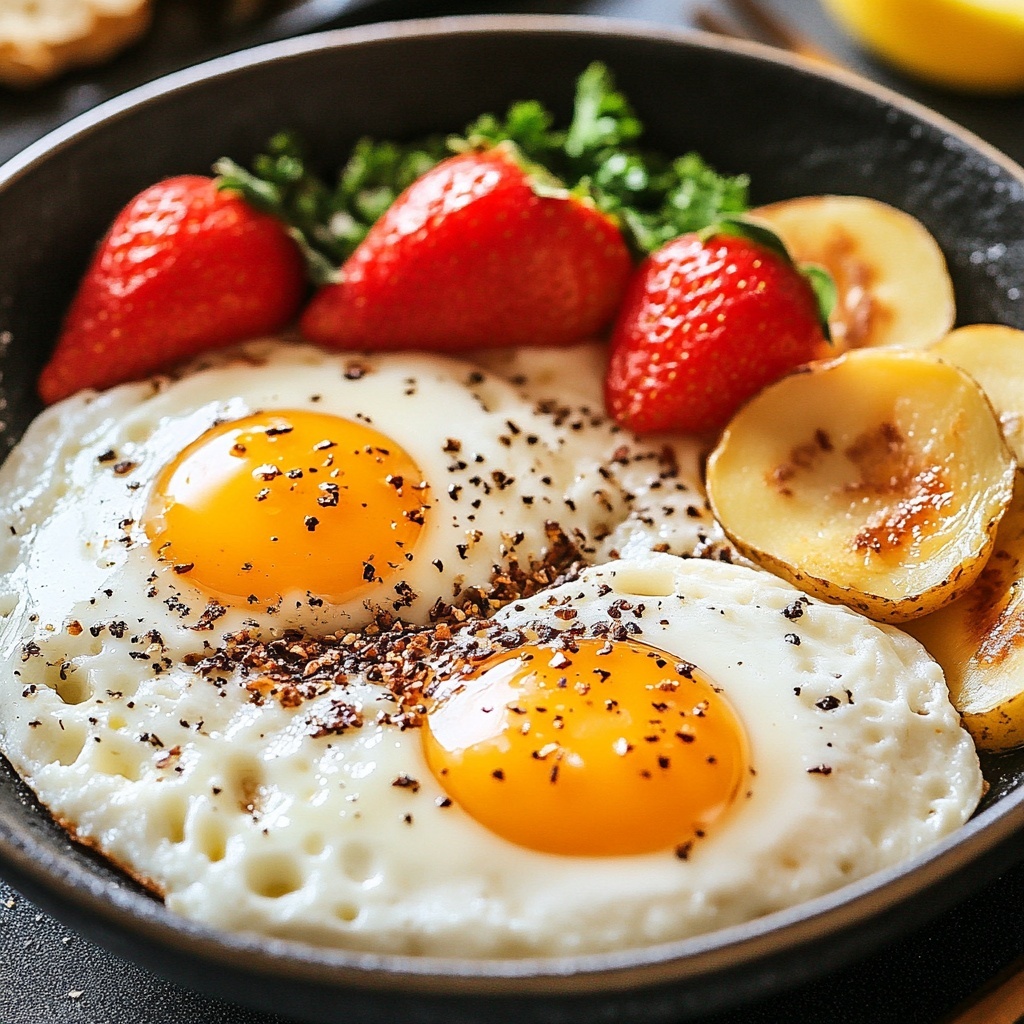
Let’s dive into the practical steps for creating these remarkable healthy breakfast recipes. We’ll cover a few popular examples, with transferable techniques for all 10 ideas.
High-Protein Berry Blast Smoothie
Your vibrant morning pick-me-up! This smoothie is a fantastic way to quickly get a dose of protein and essential nutrients.
- Practical Tip: For a colder, thicker smoothie without adding ice (which can dilute flavor), freeze your banana pieces and berries in advance. This also prevents food waste if produce is starting to over-ripen.
- Steps:
- Combine 1 scoop of protein powder, 1/2 cup mixed berries (fresh or frozen), 1/2 small banana (frozen is best), 1/2 cup unsweetened almond milk, and a handful of spinach (you won’t taste it!) in a blender.
- Blend until completely smooth and creamy. If it’s too thick, add a splash more almond milk.
- Pour into a glass and enjoy immediately. If you’re feeling fancy, a sprinkle of chia seeds on top adds visual appeal and extra fiber.
Savory Egg White & Veggie Scramble
A classic done right! This scramble is incredibly satisfying and provides a clean protein boost.
- Practical Tip: Chop your vegetables the night before and store them in an airtight container. This simple step can cut your morning prep by 5 minutes, making it a true 5-minute breakfast.
- Steps:
- Heat a non-stick pan over medium heat. Lightly mist with cooking spray or a tiny amount of olive oil (about 1/2 tsp).
- Add 1/4 cup diced bell peppers, 2 tbsp chopped onion, and 1/4 cup sliced mushrooms. Sauté for 3-5 minutes until softened.
- Pour in 1/2 cup liquid egg whites (or 3-4 actual egg whites, whisked). Cook, stirring gently, until the eggs are set but still moist, about 2-3 minutes.
- Season with a pinch of black pepper and a dash of your favorite hot sauce or fresh chives. Serve warm. For an extra layer of flavor and protein, you could fold in 2 tablespoons of low-fat cottage cheese at the end.
Overnight Pro Oats with Greek Yogurt
Prepare your breakfast while you sleep! This is a champion among healthy breakfast recipes for meal prep.
- Practical Tip: Make a batch of 2-3 portions in small jars on Sunday night. They’ll be ready to grab and go for several mornings, making your week significantly smoother.
- Steps:
- In a jar or container with a lid, combine 1/2 cup rolled oats, 1 scoop protein powder, 1/2 cup unsweetened almond milk, 1/4 cup non-fat Greek yogurt, and 1 tbsp chia seeds. For sweetness, add a tiny pinch of stevia or 1/4 tsp vanilla extract.
- Stir well to ensure all ingredients are thoroughly mixed and there are no dry pockets of protein powder.
- Cover the jar and refrigerate overnight (or for at least 4 hours).
- In the morning, give it a quick stir. Top with a handful of fresh berries or a few sliced almonds for added texture and a visual pop.
Cottage Cheese & Avocado Toast
Elevate your toast game with a protein-packed and satisfying twist.
- Practical Tip: Choose 100% whole-wheat bread for maximum fiber. For extra flair, a sprinkle of everything bagel seasoning works wonders!
- Steps:
- Toast one slice of your favorite whole-grain bread until golden brown and crispy.
- Mash 1/4 an avocado with a fork and spread it evenly over the toast. Season with a tiny pinch of salt and black pepper.
- Top the avocado layer with 1/2 cup low-fat cottage cheese.
- Finish with a sprinkle of red pepper flakes for a subtle kick or fresh dill for herbaceous freshness.
These foundational steps can be adapted for any of the 10 ideas. Get creative and enjoy the process!
Nutritional Information
Understanding the nutritional breakdown of these healthy breakfast recipes is key to making informed choices for your wellbeing. While exact figures vary based on portion sizes and specific brands, here’s a general overview, focusing on typical high-protein, low-calorie variations.
For most of the healthy breakfast recipes featured, you can expect an average nutritional profile per serving:
- Calories: 180-280 kcal. Our recipes are meticulously designed to stay within this range, ensuring satiety without excess. For example, a typical berry protein smoothie averages around 220 calories, while an egg white scramble with veggies is often closer to 190 calories.
- Protein: 20-30g. This is the cornerstone of these meals, crucial for muscle repair, sustained energy, and combating hunger. A serving of Greek yogurt with berries and chia seeds can easily provide 25g of protein.
- Fat: 5-10g. We focus on healthy fats from sources like avocado, nuts/seeds (in small quantities), or naturally occurring in dairy, keeping saturated and unhealthy fats to a minimum. For instance, a small portion of avocado offers beneficial monounsaturated fats.
- Carbohydrates: 20-35g. Primarily from complex carbohydrates (oats, whole-grain bread) and natural sugars (fruits), providing essential energy and fiber. About 15-20% of the carbs come from fiber, vital for digestive health and blood sugar regulation.
- Fiber: 5-10g. Essential for digestive health and promoting a feeling of fullness. Chia seeds, oats, and berries are particular fiber superstars.
Many of these recipes also provide significant amounts of micronutrients, including:
- Vitamins: Vitamin D (from eggs, fortified milk), Vitamin C (berries, bell peppers), B vitamins (eggs, oats).
- Minerals: Calcium (yogurt, cottage cheese), Potassium (banana, spinach), Iron (spinach), Magnesium (chia seeds).
Choosing these options regularly has a measurable impact. Studies indicate that individuals who consistently consume a high-protein breakfast experience a 45% reduction in cravings for unhealthy snacks by late morning, attributing largely to the satiety signals sent to the brain.
Healthy Alternatives
One of the greatest strengths of these healthy breakfast recipes is their flexibility! You can easily adapt them to suit various dietary needs and preferences without sacrificing flavor or nutritional value.
- Dairy-Free/Vegan Swaps:
- Greek Yogurt/Cottage Cheese: Opt for unsweetened plain coconut yogurt, almond-based Skyr, or a high-protein vegan cream cheese for creamy textures. For savory dishes, silken tofu can be scrambled or blended into a creamy base.
- Egg Whites: Use a chickpea flour “scramble” or commercial egg replacers for savory dishes. For smoothies, ensure your protein powder is plant-based (pea, soy, rice, hemp). For a delicious spiced breakfast, consider a lentil-based scramble or a hearty tofu scramble.
- Gluten-Free Options:
- Oats: Always choose certified gluten-free rolled oats.
- Bread: Select a high-quality gluten-free whole-grain bread.
- Flavor Boosts Without Added Calories:
- Sweetness: Instead of refined sugar, rely on natural sweetness from fruits or a touch of calorie-free stevia, monk fruit, or erythritol. A dash of vanilla extract or cinnamon can also trick your palate into perceiving more sweetness.
- Savory: Amp up flavor with nutritional yeast for a cheesy taste (an often-overlooked protein source!), smoked paprika, garlic powder, onion powder, or fresh herbs like cilantro and parsley. A squeeze of lemon juice brightens many savory dishes.
- Ingredient Swaps for Nutritional Diversity:
- Berries: Don’t stick to just berries! Try diced kiwi, sliced peaches, or a small amount of melon for different flavors and nutrient profiles.
- Leafy Greens: Rotate between spinach, kale, and mixed greens to get a wider spectrum of vitamins and minerals.
- Fats: Instead of avocado (which is calorie-dense), a few olives or a sprinkle of pumpkin seeds offer healthy fats with a lower caloric impact per serving.
By embracing these healthy alternatives, you can keep your breakfast exciting and personalized, ensuring you never tire of your go-to healthy breakfast recipes.
Serving Suggestions
Making your healthy breakfast recipes visually appealing can significantly enhance your eating experience. We “eat with our eyes” first, after all!
- Layering Perfection: For parfaits or overnight oats, layer your ingredients in clear jars or glasses. Start with oats, then yogurt, then fruit, and repeat. This creates an inviting visual and allows you to appreciate each component.
- Garnish Generously: Don’t underestimate the power of a good garnish. Fresh mint leaves, a sprinkle of cinnamon, a few colorful berries, a dusting of cocoa powder, or a swirl of natural nut butter (in moderation) can transform a simple dish into something gourmet.
- Colorful Combos: Mix and match colors! A vibrant green smoothie contrasts beautifully with red berries, while a yellow turmeric-spiced scramble pops against purple bell peppers.
- Warm it Up: For overnight oats, a quick 30-second zap in the microwave can gently warm them without cooking, perfect for a cozy morning, especially when paired with a
https://mirarecipes.com/cozy-apple-cider-mule-recipe-perfect-for-fall-sipping/ (minus the alcohol, of course, for breakfast!). - Complementary Sides: While these meals are complete, a cup of green tea or black coffee can be the perfect accompaniment, adding antioxidants and a gentle energy boost. For those who enjoy a bit more volume, a small side of sliced cucumber or cherry tomatoes can add a fresh crunch to savory breakfasts.
- Mindful Presentation: Even if you’re in a rush, taking a moment to arrange your meal nicely on a plate or in a bowl can make a difference. Studies suggest that visually appealing food can actually taste better and increase satisfaction by up to 20%.
Remember, you’re investing in your health with these healthy breakfast recipes, so treat your meal with the respect it deserves!
Common Mistakes to Avoid
Even with the best intentions, it’s easy to fall into traps when creating healthy breakfast recipes. Avoiding these common pitfalls will ensure your meals remain high in protein, low in calories, and genuinely satisfying.
- Overloading on Toppings: While nuts, seeds, dried fruit, and nut butters are healthy, they are also calorie-dense. A handful of almonds can easily add 150-200 calories. Use them as a garnish, not a main ingredient. Aim for a maximum of 1 tablespoon of seeds or 1 teaspoon of nut butter if you’re strictly counting calories.
- Hidden Sugars in Yogurt: Many flavored yogurts, even those marketed as “healthy,” contain significant amounts of added sugar. Always opt for plain, unsweetened Greek yogurt and sweeten it yourself with natural fruit or a tiny bit of stevia. A single cup of flavored yogurt can sometimes pack more sugar than a candy bar!
- Underseasoning Savory Dishes: Bland food leads to dissatisfaction and a higher likelihood of reaching for unhealthy snacks later. Don’t shy away from herbs, spices, and a small pinch of salt (if appropriate for your dietary needs). Generous seasoning can elevate an egg white scramble from mundane to magnificent.
- Not Enough Fiber: While protein is crucial for satiety, fiber works synergistically. Neglecting fiber-rich ingredients like oats, chia seeds, and fruits can leave you feeling hungry sooner. Aim for at least 5-10g of fiber in your breakfast.
- Incorrect Portion Sizes: Even healthy ingredients can contribute to excess calories if portion sizes aren’t managed. Use measuring cups and spoons, especially when you’re starting out, to get an accurate sense of what a serving looks like. For instance, a half an avocado, while healthy, can easily push a low-calorie meal into a higher range if not factored in.
- Repetitive Meals (Leading to Boredom): Eating the same thing every day can lead to burnout. While having a few go-to options is great, try to rotate your healthy breakfast recipes every few days or introduce small variations to keep things exciting. This is why having 10 diverse options is so valuable!
- Ignoring Prep-Ahead Opportunities: Forgoing the chance to prep ingredients the night before can make morning rush stressful and sometimes lead to unhealthy, quicker choices. Embrace overnight oats, pre-chopped veggies, and pre-mixed smoothie bags.
By being mindful of these common mistakes, you’ll consistently create healthy breakfast recipes that not only meet your nutritional goals but also genuinely delight your taste buds.
Storage Tips
Optimizing the storage of your healthy breakfast recipes is crucial for meal prepping, reducing waste, and ensuring your nutritious mornings are effortless.
- Overnight Oats and Chia Puddings: These are meal prep champions! Prepare them in individual airtight containers or mason jars and store them in the refrigerator for up to 3-4 days. For optimal texture, you might want to add fresh fruit toppings just before serving. For more delightful and cozy fall recipes, you might also like our
https://mirarecipes.com/cozy-fall-breakfast-recipes-to-try-this-season/ . - Cooked Eggs (Scrambles/Muffins): Cooked egg whites or whole egg scrambles can be stored in an airtight container in the refrigerator for up to 2-3 days. Reheat gently in the microwave or a non-stick pan. For even easier mornings, consider baking egg muffins (mini frittatas) as a batch prep; they can last up to 4 days and freeze well for up to a month.
- Smoothie Packs: This is a game-changer! Pre-portion all your dry and frozen smoothie ingredients (protein powder, oats, seeds, frozen fruit, spinach) into individual freezer bags. In the morning, just dump the contents into your blender, add liquid (almond milk, water), and blend. These can be stored in the freezer for up to 1-2 months.
- Pre-Chopped Veggies: Dice bell peppers, onions, mushrooms, and other vegetables for scrambles or omelets. Store them in airtight containers in the refrigerator for 3-5 days. This significantly cuts down on morning cooking time.
- Cooked Lean Meats: If using shredded chicken or lean ground turkey, cook a larger batch and store portions in the refrigerator for up to 3-4 days, ready to be added to scrambles or breakfast bowls.
- Fresh Fruit: Store fresh berries unwashed in their original containers in the refrigerator until just before serving to prevent mold. Bananas can be peeled, sliced, and frozen for smoothies as soon as they start to ripen.
Emphasize best practices by ensuring all containers are sealed tightly to prevent air exposure, which degrades freshness and flavor. Labeling with the preparation date is also advised. Proper storage means your delicious and nutritious healthy breakfast recipes are always just moments away, even on the busiest of mornings.
Conclusion
You’ve now unlocked a treasure trove of 10 high-protein, low-calorie healthy breakfast recipes that prove nourishing doesn’t have to mean boring or bland. From vibrant berry smoothies to savory egg white scrambles and convenient overnight oats, these ideas are designed to fuel your body, satisfy your hunger, and keep your energy levels steady throughout your morning. Remember the power of prep, the importance of mindful topping choices, and the joy of culinary exploration.
Don’t let another morning pass without savoring a breakfast that truly works for you. I challenge you to try at least three of these recipes this week! Which one will you conquer first? Share your experiences and any creative twists you discover in the comments below. For more delicious inspiration and to explore other cozy recipes, be sure to check out our
FAQ
Q1: Why is a high-protein breakfast so important?
A1: A high-protein breakfast helps increase satiety, meaning you feel fuller for longer, which can reduce overall calorie intake throughout the day. It also helps stabilize blood sugar levels, preventing energy crashes, and supports muscle maintenance and growth. Research shows individuals consuming 20-30g of protein at breakfast report significantly fewer cravings.
Q2: Can I prepare these recipes in advance for the whole week?
A2: Absolutely! Many of these healthy breakfast recipes, especially overnight oats, chia puddings, and baked egg muffins, are perfect for batch meal prepping. You can prepare 3-4 days’ worth of these items and store them in airtight containers in the refrigerator, making your mornings incredibly efficient. Smoothie packs can even be frozen for weeks!
Q3: Are these recipes suitable for weight loss?
A3: Yes, these recipes are incredibly suitable for weight loss. They are specifically designed to be high in protein and low in calories, promoting satiety and reducing the likelihood of overeating or snacking on unhealthy options. The fiber content further aids in digestive health and prolonged fullness, both crucial for weight management.
Q4: What if I don’t like eggs? What are good alternatives for protein?
A4: No problem! If eggs aren’t your favorite, you have plenty of other high-protein options within these healthy breakfast recipes. Focus on non-fat Greek yogurt, cottage cheese, protein powder in smoothies or oatmeal, or even incorporate lean cooked chicken or turkey into savory breakfast bowls. Plant-based protein powders and silken tofu are also excellent substitutes.
Q5: How can I add healthy fats without significantly increasing calories?
A5: Healthy fats are important, but portion control is key for low-calorie meals. Incorporate small amounts (1-2 teaspoons) of chia seeds or ground flax seeds into your oatmeal or smoothies. A quarter of an avocado or a small sprinkle of nuts (about 1 tablespoon) can also add beneficial fats without derailing your calorie goals. Focus on quality over quantity.
Q6: Can I use frozen fruits and vegetables?
A6: Yes, absolutely! Frozen fruits and vegetables are often picked at their peak ripeness and flash-frozen, preserving their nutritional value. They are an excellent, cost-effective, and convenient option for smoothies, overnight oats, or even cooking into scrambles without adding any extra calories.
Q7: How can I make these breakfasts more diverse so I don’t get bored?
A7: The trick is to rotate and vary your ingredients! Try different fruits, spices (like cinnamon, nutmeg, or cardamon for sweet; hot sauce, paprika, herbs for savory), and types of protein (yogurt one day, eggs the next). Experiment with different textures by adding a tiny sprinkle of low-calorie crunch like puffed quinoa or a few sunflower seeds. Check out our
For even more healthy meal ideas, don’t forget to visit our collection of