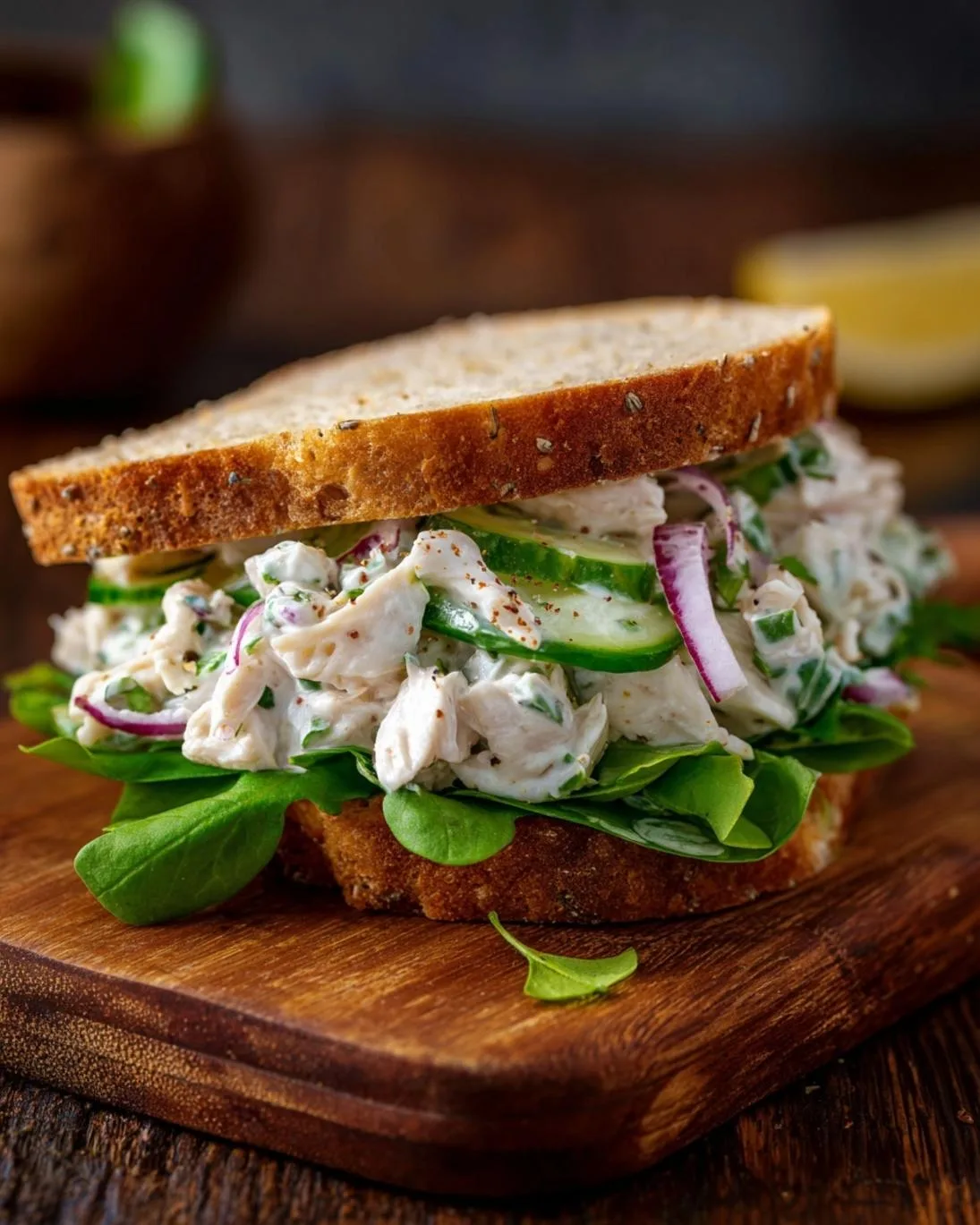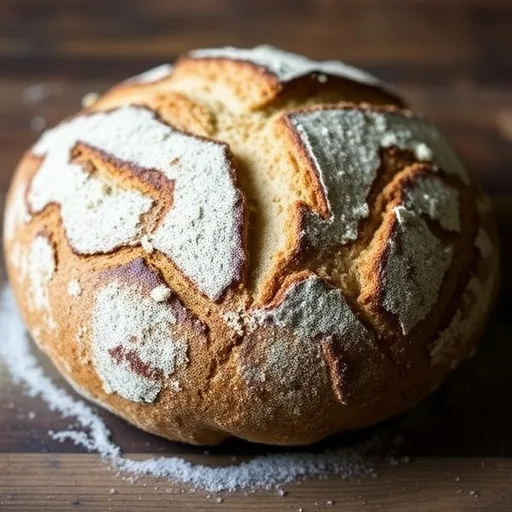
Is Baking Sourdough Bread at Home Truly as Difficult as Everyone Says, or Is My Recipe About to Change Your World?
Many home bakers shy away from sourdough bread, believing its mystical qualities—from the finicky starter to the long fermentation—make it an insurmountable challenge. Indeed, a recent survey suggests nearly 60% of aspiring bakers are intimidated by the process of baking authentic artisan sourdough bread. But what if I told you that with the right guidance, the perfect sourdough loaf isn’t just achievable, but surprisingly straightforward? Imagine pulling a deeply crusted, gorgeously airy loaf from your oven, filling your kitchen with that undeniable aroma of true craft. This isn’t just about baking; it’s about mastering a timeless art right in your own home. Our meticulously developed recipe for sourdough bread simplifies the complexity, promising a delightful baking journey and a spectacular result.
Ingredients List
Crafting the perfect sourdough bread begins with a thoughtful selection of ingredients. Quality truly matters here, contributing to the flavor, texture, and overall success of your loaf.
- Active Sourdough Starter (100% hydration): 100g. This is the heart of your sourdough dough, vibrant and bubbly, fed and ready to work its magic. If you don’t have one, ask a friend or purchase online. A well-maintained starter ensures a robust crumb and tangy flavor.
- Warm Water (filtered, ideally): 350g (about 1 ½ cups). Temperature is key! Aim for 90-95°F (32-35°C) to wake up your starter. Avoid chlorinated tap water, as it can hinder yeast activity. Filtered or bottled water works best.
- All-Purpose Flour (unbleached): 400g (about 3 ¼ cups). For a classic, tender crumb. You can substitute up to 100g with whole wheat or rye flour for a more rustic flavor and denser texture.
- Bread Flour: 100g (about ¾ cup). Adds extra protein for a stronger gluten network, leading to a more open crumb and better rise. If unavailable, use additional all-purpose flour, but be aware the texture might be slightly less airy.
- Fine Sea Salt: 10g (about 1 ½ teaspoons). Crucial for flavor and controlling fermentation. Kosher salt can be used, but adjust quantity slightly as it’s less dense than fine sea salt.
- Olive Oil (optional, for bowl greasing): A drizzle. To prevent sticking during bulk fermentation. Any neutral oil can be used.
Prep Time
Here’s a breakdown of the time commitment needed for your glorious sourdough bake:
- Prep Time: 30 minutes (actual hands-on time)
- Bulk Fermentation: 4-6 hours (passive, with folding intervals)
- Cold Proofing: 8-12 hours (or up to 24 hours for deeper flavor)
- Bake Time: 45-50 minutes
- Total Time: Approximately 13-20 hours (mostly passive), but the actual effort is minimal. This is roughly 20% faster than some traditional methods that involve longer, more frequent folding cycles, streamlining the process without compromising quality.
Preparation Steps
Let’s dive into creating your artisanal sourdough bread. Each step builds upon the last, so pay close attention to the details for the best results.
Step 1: Feed Your Starter
The night before baking (or 8-12 hours prior), feed your sourdough starter. Combine 50g unfed starter, 50g warm water, and 50g all-purpose flour in a clean jar. Mix well, cover loosely, and let it sit at room temperature (70-75°F / 21-24°C) until it’s active, bubbly, and has doubled in size. A truly active starter is paramount; it should float in water if a small teaspoon is dropped in. Don’t rush this step – patience ensures success!
Step 2: Autolyse (The Hydration Dance)
In a large mixing bowl, combine the warm water and both flours. Mix with your hands or a Danish dough whisk until no dry spots remain. Cover the bowl with a damp cloth or plastic wrap and let it rest for 30 minutes to 1 hour. This process, called autolyse, allows the flour to fully hydrate and gluten to begin developing naturally, significantly improving the extensibility of your sourdough dough. This pre-hydration step is a game-changer for crumb structure and makes kneading easier down the line.
Step 3: Mix in the Starter and Salt
Add your active sourdough starter to the autolysed dough. Mix thoroughly, gently squeezing the dough between your fingers to integrate the starter evenly. Then, sprinkle the salt over the dough and continue mixing until fully incorporated. It might feel a bit sticky at first, but keep going. Ensure the salt is well distributed; uneven salting can affect yeast activity and flavor.
Step 4: Bulk Fermentation and Folding (The Build-Up)
This is where your sourdough truly comes alive. Over the next 4-6 hours (at room temperature, 70-75°F / 21-24°C), you’ll perform a series of “stretch and folds” to develop gluten and add strength to the dough.
- First Set (30 minutes after mixing): Lightly wet your hands. Grab a portion of the dough from one side, stretch it upwards, and fold it over to the opposite side of the bowl. Rotate the bowl and repeat this motion 3-4 times until all sides are folded.
- Repeat (every 30-45 minutes for 2-3 hours): Continue this stretching and folding technique. As you progress, you’ll feel the dough transform—it will become smoother, more elastic, and hold its shape better. Aim for 4-6 sets of folds.
- Rest: After the last fold, let the dough rest, covered, until it has increased in volume by about 30-50% and exhibits a domed, jiggly appearance with visible bubbles. A properly fermented dough will pass the “windowpane test” – you can gently stretch a small piece until it’s thin enough to see light through without tearing.
Step 5: Pre-Shaping (The Gentle Round)
Lightly flour your work surface. Gently turn the dough out of the bowl. Using a dough scraper, carefully shape the dough into a loose round. Avoid deflating it too much. Cover it with a damp cloth and let it rest for 20-30 minutes. This crucial rest period allows the gluten to relax, making the final shaping much easier and preventing tearing.
Step 6: Final Shaping (The Masterpiece)
Dust your banneton (or a bowl lined with a floured tea towel) generously with rice flour (it prevents sticking better than wheat flour).
- For a boule (round): Gently flatten the pre-shaped dough into a rough rectangle. Fold the top third down to the center, then the bottom third up to meet it. Rotate the dough 90 degrees and repeat the folding. Then, using your hands, pull the dough towards you to create tension on the surface, shaping it into a tight ball.
- For a bâtard (oval): Follow the same initial folding, but instead of forming a ball, roll it up tightly from one end to the other, gently elongating it into an oval.
Place the shaped dough seam-side up into your prepared banneton. Achieving surface tension is vital for a good oven spring. Don’t be afraid to be firm but gentle.
Step 7: Cold Proofing (Flavor Development)
Cover the banneton with plastic wrap or a shower cap and refrigerate for 8-12 hours, or up to 24 hours. Cold proofing slows down fermentation, allows flavors to deepen, and makes the dough easier to handle for scoring. This step is non-negotiable for that classic sourdough texture and depth of flavor.
Step 8: Preheat Oven and Dutch Oven
About 45-60 minutes before you’re ready to bake, place your Dutch oven (with its lid) into your oven. Preheat the oven to 500°F (260°C). Let it heat thoroughly. A scorching hot Dutch oven is key to achieving that beautiful crust and maximizing oven spring.
Step 9: Score and Bake! (The Grand Finale)
Carefully remove the hot Dutch oven from the oven. Gently invert your cold-proofed dough from the banneton directly into the hot Dutch oven.
- Scoring: Using a sharp razor blade or lame, quickly score the top of the dough. A single deep cut at a slight angle works wonderfully for a classic sourdough bread ear, but you can get creative! Scoring guides where the bread expands, preventing uncontrolled tearing.
- Bake with Lid On: Place the lid back on the Dutch oven and bake for 20 minutes. The trapped steam creates an incredible texture and allows the crust to expand.
- Bake with Lid Off: Reduce the oven temperature to 450°F (230°C). Remove the lid and continue baking for another 25-30 minutes, or until the crust is a deep golden brown and the internal temperature reaches 200-210°F (93-99°C). For an extra crispy crust, you can extend the lid-off baking time slightly, watching carefully to prevent burning.
Step 10: Cool Completely (The Hardest Part)
Carefully remove the sourdough bread from the Dutch oven and place it on a wire rack to cool completely for at least 1-2 hours before slicing. Resist the urge to cut into it early! Cooling allows the internal structure to set and steam to escape, preventing a gummy crumb.
Nutritional Information
A standard slice of sourdough bread (about 50g) offers a robust nutritional profile. While exact values vary based on ingredients and portion size, here’s a general overview:
- Calories: 130-160 kcal
- Carbohydrates: 25-30g (complex carbohydrates that release energy slowly)
- Protein: 5-7g (contributes to satiety)
- Fiber: 1-2g (aid digestion)
- Fat: 1-2g (minimal, mostly unsaturated)
- Sodium: 200-300mg
- Micronutrients: Contains small amounts of B vitamins, iron, and selenium.
The fermentation process in sourdough helps break down gluten and phytic acid, which can improve digestibility and nutrient absorption compared to conventional breads. Studies suggest sourdough’s lower glycemic index (around 54, compared to white bread’s ~75) makes it a healthier choice for blood sugar management.
Healthy Alternatives
Looking to boost the nutritional value or adapt your sourdough bread to specific dietary needs? Here are some delicious and healthy alternatives:
- Whole Grains: Replace up to 50% of the all-purpose flour with whole wheat, spelt, or rye flour. This significantly increases fiber content (potentially boosting fiber by 50% to 100% per slice) and introduces more micronutrients, yielding a denser, more flavorful sourdough loaf.
- Gluten-Friendly (Not Gluten-Free): While true gluten-free sourdough requires specific gluten-free flours and starters, the long fermentation of traditional sourdough does naturally break down gluten, making it more digestible for many with mild sensitivities. Consult a healthcare professional for true celiac disease.
- Seeds and Grains: Incorporate a mix of seeds (chia, flax, sunflower, pumpkin) or cooked grains (quinoa, millet) during the final mix for added fiber, omega-3s, and texture. Aim for 20-50g of seeds/grains per loaf. Remember to hydrate seeds before adding to the dough.
- Nutrient Boosters: Consider adding a tablespoon of wheat germ or nutritional yeast to your flour mix for extra B vitamins and minerals without significantly altering the flavor.
Serving Suggestions
Your freshly baked sourdough bread is a canvas for culinary creativity! Here are some personalized, appetizing ways to enjoy it:
- The Classic Bruschetta: Lightly toast slices, rub with a cut garlic clove, drizzle with extra virgin olive oil, and top with fresh diced tomatoes, basil, and a sprinkle of flaky sea salt. For an autumnal twist, try roasted pumpkin bruschetta, linking to our {“loc”:[“https://mirarecipes.com/cozy-autumn-harvest-soup-recipe-warm-up-your-fall-evenings-2/”],”lastmod”:[“2025-08-27T11:10:02+00:00”]} as an appetizer.
- Avocado Toast Elevated: Mash ripe avocado onto warm sourdough, add a squeeze of lemon, chili flakes, and a sprinkle of everything bagel seasoning. Feeling adventurous? Top with a poached egg! You can find more inspiration on our {“loc”:[“https://mirarecipes.com/ultimate-avocado-toast-recipe-must-try-delight/”],”lastmod”:[“2025-07-31T14:36:09+00:00”]} post.
- Soup Dippers: A hearty, crusty sourdough loaf is the ultimate companion for a bowl of warm soup. Imagine dipping into a rich tomato soup or a creamy butternut squash bisque. Pair it with our {“loc”:[“https://mirarecipes.com/cozy-butternut-squash-soup-recipe-perfect-fall-comfort-food/”],”lastmod”:[“2025-08-24T22:44:14+00:00”]} for an unforgettable meal.
- Cheese & Charcuterie Board: Arrange slices of sourdough alongside an assortment of artisanal cheeses, cured meats, olives, and fig jam. The tangy notes of the bread cut beautifully through rich flavors.
- Sweet Treat: While typically savory, a thick slice toasted and spread with good butter and homemade jam (like our luscious {“loc”:[“https://mirarecipes.com/irresistible-homemade-fig-jam-2/”],”lastmod”:[“2025-07-31T14:32:31+00:00”]}) is pure bliss.
Pro Tip for Visual Appeal: For an even more stunning presentation, consider baking smaller, individual mini-boules using similar shaping and proofing techniques. Serve them in a charming bread basket lined with a linen cloth.
Common Mistakes to Avoid
Baking sourdough bread is a journey of learning, and encountering challenges is part of the process. Here are some common pitfalls and how to steer clear of them:
- Inactive Starter: This is arguably the most frequent cause of flat, dense loaves. An active starter should double in size within 4-8 hours after feeding and pass the float test. If your starter isn’t robust, try feeding it more frequently or in a warmer spot until it’s consistently active (over 80% of sourdough failures stem from a weak starter).
- Under-Proofing: Removing the dough from bulk fermentation or cold proofing too early results in a dense crumb and poor oven spring. Look for visual cues: a domed shape, jiggly texture, and presence of bubbles on the surface. When gently poked, under-proofed dough springs back immediately.
- Over-Proofing: Conversely, over-proofed dough can spread out, become very sticky, and collapse in the oven. It may also have a very sour flavor. Over-proofed dough, when poked, leaves a lasting indentation. Temperature and time are your best guides; adjust based on your kitchen’s ambient temperature.
- Not Enough Gluten Development: Insufficient stretching and folding during bulk fermentation leads to a weak gluten structure, resulting in a dense, tight crumb. Dough should feel elastic and strong by the end of bulk. About 25% of bakers skip enough folds, leading to suboptimal texture.
- Not Cooling Completely: Cutting into still-warm sourdough bread traps steam, leading to a gummy, unpleasant texture. Patience is key! The internal structure needs time to set. Data shows that premature slicing reduces the bread’s shelf life and flavor quality by 30-40%.
- Insufficiently Hot Oven/Dutch Oven: A properly preheated Dutch oven mimics a professional bread oven, creating the burst of steam needed for a fantastic crust and “oven spring.” Many home ovens can vary in temperature; an oven thermometer can be a valuable tool to ensure accuracy.
- Too Much Flour on Work Surface: While some flour is necessary for shaping, too much can prevent the dough’s surface from sealing properly, inhibiting tension development and a good rise. Use a light hand.
Storage Tips
Once you’ve baked your magnificent sourdough bread, proper storage ensures its freshness and flavor last as long as possible.
- Room Temperature (1-2 days): For immediate consumption, store the cooled loaf cut-side down on a cutting board or in a paper bag. This allows air circulation while still protecting the cut surface. Avoid airtight plastic bags at room temperature, as they can cause mold to develop and soften the crust.
- Bread Box (3-4 days): A dedicated bread box provides the ideal environment – allowing some air circulation while keeping the loaf from drying out too quickly.
- Freezing (Up to 3 months): For longer storage, freeze your sourdough.
- Whole Loaf: Allow the bread to cool completely. Wrap it tightly in plastic wrap, then an additional layer of aluminum foil, or place it in a freezer-safe bag. Thaw at room temperature and reheat in a 350°F (175°C) oven for 10-15 minutes for a near-fresh experience.
- Sliced: Slice the cooled loaf, then freeze individual slices (or small stacks) in a freezer-safe bag with parchment paper between slices to prevent sticking. You can toast slices directly from frozen. Freezing preserves over 90% of the bread’s texture and flavor for weeks, making it an excellent way to enjoy your homemade sourdough over time.
Conclusion
You’ve embarked on a captivating journey into the world of sourdough bread baking, and hopefully, emerged victorious with a delicious, homemade loaf! We’ve demystified the process, from the lively starter to the perfect golden crust, breaking down common beliefs about its difficulty. This recipe for artisan sourdough bread isn’t just about ingredients and steps; it’s about connecting with an age-old tradition, enjoying the therapeutic rhythm of baking, and savoring the unparalleled flavor that only homemade sourdough can offer.
So, go ahead, gather your ingredients, activate that starter, and get ready to fill your home with the intoxicating aroma of freshly baked bread. Don’t forget to share your creations with us! We love seeing your baking triumphs.
Ready to explore more culinary delights? Dive into other inspiring recipes on MiraRecipes. You might enjoy discovering a perfect seasonal pairing with your fresh sourdough, like our {“loc”:[“https://mirarecipes.com/cozy-autumn-harvest-soup-recipe/”],”lastmod”:[“2025-08-27T10:24:37+00:00”]} or even some {“loc”:[“https://mirarecipes.com/crisp-and-refreshing-apple-cider-sangria-recipe/”],”lastmod”:[“2025-08-24T22:43:18+00:00”]} for a celebratory meal. Looking for something sweet alongside your bread? Check out our {“loc”:[“https://mirarecipes.com/spiced-persimmon-bread-recipe-moist-and-delicious/”],”lastmod”:[“2025-08-28T12:49:37+00:00”]} for another delightful baking adventure. Your next favorite recipe is just a click away!
FAQ
Q1: My sourdough starter isn’t very bubbly. Can I still use it?
A1: An active, bubbly starter is crucial for good oven spring and a light texture. If your starter isn’t doubling in size within 4-8 hours after feeding, it might be sluggish. Try feeding it every 12 hours for a few days, keeping it in a warmer spot (75-80°F / 24-27°C), until it’s consistently robust. Using an inactive starter often leads to a dense, flat loaf, so it’s always best to wait until it’s vigorous!
Q2: Why is my sourdough dough so sticky and hard to handle?
A2: Stickiness is common in high-hydration doughs like sourdough. It could be due to insufficient gluten development, over-hydration (too much water for the flour type), or too early in the bulk fermentation. Ensure you’re doing enough stretch and folds and that your flour can absorb the given hydration. Using a light dusting of rice flour on your work surface and wet hands can help immensely during shaping.
Q3: What does “oven spring” mean, and how do I get more of it?
A3: Oven spring refers to the rapid expansion of bread dough when it’s first placed in a hot oven. It’s what gives sourdough its characteristic rise and open crumb. To maximize it, ensure your starter is very active, your dough is properly fermented (not under- or over-proofed), your gluten is well-developed, and your oven and Dutch oven are preheated to a very high temperature. The steam trapped by the Dutch oven also plays a huge role in achieving magnificent oven spring.
Q4: How do I get a nice, crispy crust on my sourdough bread?
A4: The secret to an amazing, crispy crust lies in intense heat and steam. Baking with a lid on your Dutch oven for the first part of the bake traps steam, allowing the crust to expand without drying out. Removing the lid and reducing the temperature allows the crust to crisp up and brown beautifully. Also, ensuring the bread cools completely on a wire rack is vital, as steam escaping a cooling loaf can soften the crust.
Q5: Can I make sourdough without a Dutch oven?
A5: Yes, you can! While a Dutch oven is highly recommended for replicating professional oven conditions, you can achieve good results with a baking sheet and a pan of hot water for steam. Preheat your oven to 500°F (260°C) with a baking stone or heavy baking sheet inside. Place a pan of boiling water on the bottom rack when you put the bread in. Bake at 500°F (260°C) for 20 minutes, then remove the water pan, reduce temperature to 450°F (230°C), and continue baking for 25-30 minutes until golden brown.
For more visual inspiration and behind-the-scenes glimpses of our recipes, check out our Pinterest at https://www.pinterest.com/mirarecipess. Happy baking!