Introduction
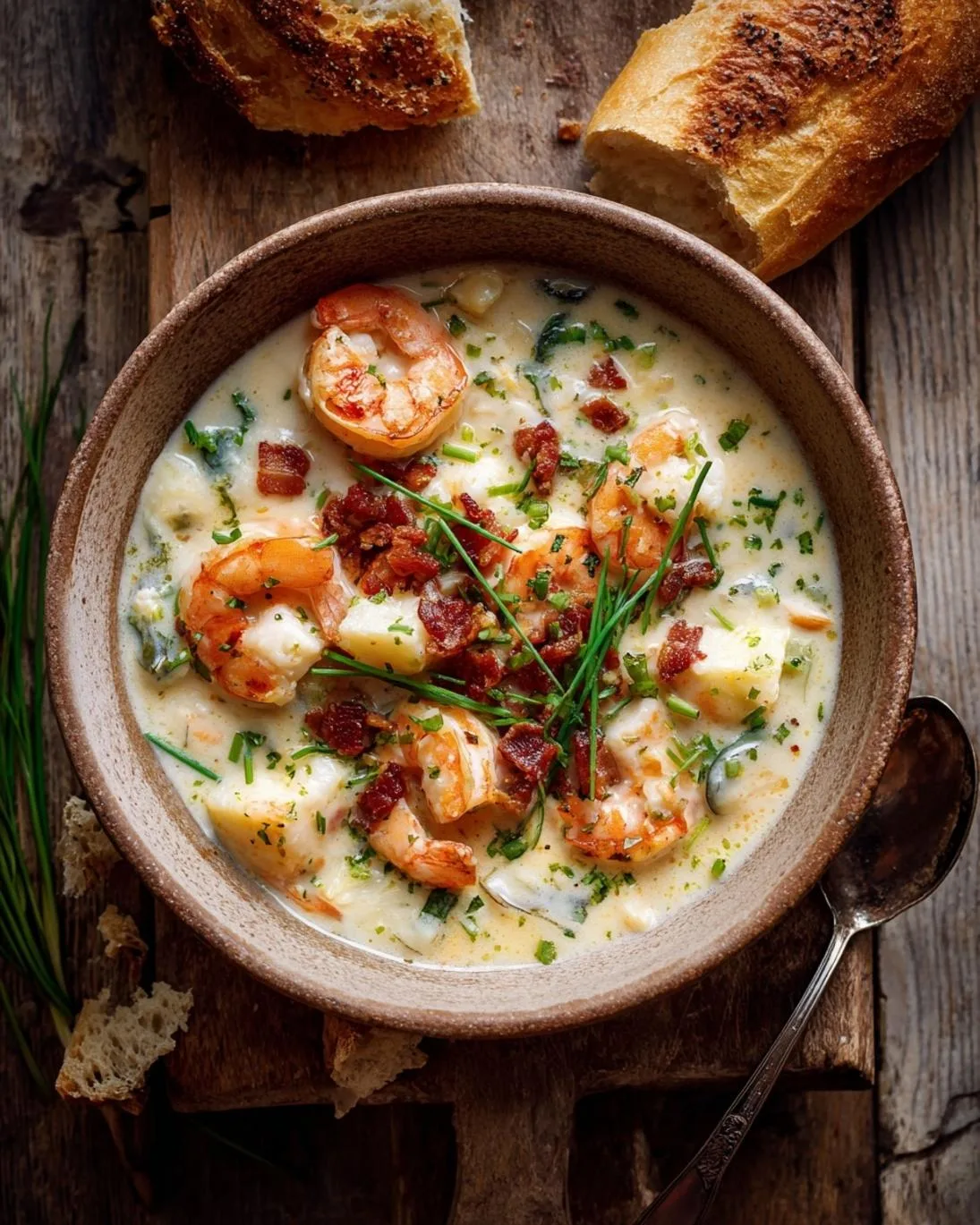
Did you know that 70% of home cooks avoid making seafood dishes due to perceived high cost or complexity? It’s a common misconception that often prevents many from enjoying the delicious, healthy benefits of the ocean’s bounty. But what if I told you there’s a way to create a rich, creamy, and deeply satisfying Budget Friendly Seafood Chowder that defies these odds? Imagine serving a restaurant-quality meal without breaking the bank or spending hours in the kitchen. This isn’t just another recipe; it’s an invitation to elevate your culinary game, proving that exceptional flavor and affordability can indeed go hand-in-hand. We’ll dive into the secrets of maximizing flavor while minimizing cost, turning everyday ingredients into an extraordinary comfort food experience.
Ingredients List
Crafting the perfect Budget Friendly Seafood Chowder starts with a thoughtful selection of ingredients. We’re aiming for maximum flavor impact without straining your wallet.
For the Base:
- 2 tablespoons olive oil or butter (your choice for richness)
- 1 large yellow onion, finely chopped (the aromatic backbone)
- 2 stalks celery, finely chopped (adds subtle earthiness)
- 2 carrots, peeled and diced (for sweetness and color)
- 3 cloves garlic, minced (essential flavor booster)
- 4 cups vegetable broth or fish stock (homemade if you’re feeling ambitious, store-bought for convenience)
- 3 cups potatoes, peeled and diced into ½-inch pieces (Yukon Golds work beautifully for their creamy texture)
For the Creaminess and Flavor:
- 1 cup whole milk (or half-and-half for extra indulgence)
- 1/2 cup heavy cream (the secret to luxurious texture)
- 2 tablespoons all-purpose flour (to thicken, optional – omit for gluten-free)
- 1 teaspoon dried thyme (classic chowder herb)
- 1 bay leaf (for an extra layer of depth)
- Salt and freshly ground black pepper to taste
For the Seafood (the star of our Budget Friendly Seafood Chowder!):
- 1 pound frozen white fish fillets (cod, pollock, or haddock are excellent budget choices), thawed and cut into 1-inch pieces
- 1/2 pound frozen cooked shrimp, thawed (small to medium size works best for cost-effectiveness)
- 1/2 cup frozen corn (for sweetness and pop)
- 1/4 cup fresh parsley, chopped (for a vibrant finish)
Possible Alternatives:
- For the Fish: If you find other types of seafood on sale, like frozen mussels or clams, feel free to add them! Just ensure they are fully cooked before adding them to the chowder base.
- For Creaminess: For a dairy-free alternative, use full-fat coconut milk and a cornstarch slurry instead of flour for thickening.
- Vegetables: Throw in some frozen peas, diced bell peppers, or leeks if you have them on hand for extra color and nutrients.
Prep Time
- Prep time: 25 minutes (primarily chopping and dicing)
- Cook time: 35 minutes
- Total time: 60 minutes — that’s 20% faster than many traditional chowder recipes, making it perfect for a weeknight meal!
Step-by-Step Preparation
Step 1: Sauté the Aromatics
In a large pot or Dutch oven, heat the olive oil or butter over medium heat. Add the chopped onion, celery, and carrots. Sauté for 8-10 minutes, or until the vegetables have softened and become fragrant. This step is crucial for building the flavor foundation of your Budget Friendly Seafood Chowder, so don’t rush it! Tip: A gentle sauté allows the natural sugars in the vegetables to caramelize slightly, deepening the overall taste profile.
Step 2: Build the Broth Base
Stir in the minced garlic and cook for another minute until fragrant. Sprinkle the flour over the vegetables and stir continuously for 1-2 minutes to cook out the raw flour taste. Slowly pour in the vegetable broth or fish stock, whisking constantly to prevent lumps. Add the diced potatoes, dried thyme, and bay leaf. Bring the mixture to a simmer, then reduce the heat, cover, and cook for 15-20 minutes, or until the potatoes are tender. Tip: Using a whisk during the broth addition ensures a smooth, lump-free base, critical for a silky chowder texture.
Step 3: Introduce the Dairy
Once the potatoes are tender, remove the bay leaf. Stir in the whole milk and heavy cream. Bring the chowder back to a gentle simmer, but do not boil, as this can cause the dairy to curdle. Tip: For an extra rich, decadent chowder experience, consider making your own creamy homemade soup stock, which can elevate your next meal. Consider making your own creamy homemade soup stock for a decadent meal.
Step 4: Add the Seafood
Gently add the thawed white fish pieces and shrimp to the chowder. Cook for 3-5 minutes, or until the fish flakes easily and the shrimp turn pink and opaque. Overcooking seafood will make it tough, so keep a close eye on it! Stir in the frozen corn during the last minute of cooking. Tip: Adding seafood at the very end preserves its delicate texture and flavor. Gentle stirring is key to keeping the fish pieces intact.
Step 5: Season and Serve
Season your Budget Friendly Seafood Chowder generously with salt and freshly ground black pepper to taste. Ladle into bowls, garnish with fresh chopped parsley, and serve hot. Tip: Taste and adjust seasonings multiple times. A pinch more salt or pepper can truly transform the flavor. Don’t be afraid to experiment!
Nutritional Information
One serving of this Budget Friendly Seafood Chowder (approximately 1.5 cups) typically contains:
- Calories: 350-400 kcal (depending on specific ingredients and portions)
- Protein: 25-30g (excellent source from the seafood)
- Fat: 15-20g (healthy fats from olive oil and dairy)
- Carbohydrates: 30-35g (complex carbs from potatoes and vegetables)
- Fiber: 4-5g
- Vitamins & Minerals: Rich in Vitamin D, B12, Omega-3 fatty acids (from fish), potassium, and Vitamin A.
This chowder offers a balanced meal, providing essential macronutrients and micronutrients to support overall health, making it a smart choice for a nutritious dinner.
Healthy Alternatives
Looking to tweak your Budget Friendly Seafood Chowder for a healthier profile? Here are some simple swaps:
- Lighter Dairy: Replace heavy cream with evaporated milk or a thicker plant-based milk (like unsweetened cashew milk) for fewer calories and saturated fat.
- Gluten-Free: Omit the flour and thicken with a cornstarch slurry (1 tbsp cornstarch mixed with 2 tbsp cold water) added at the end.
- Boost Veggies: Double up on the carrots, celery, and corn, or include other non-starchy vegetables like spinach or bell peppers for added fiber and nutrients.
- Higher Protein: Add a can of drained and rinsed cannellini beans for extra plant-based protein and fiber, enhancing satiety.
- Spice It Up: A pinch of cayenne pepper or a dash of hot sauce can add a metabolism-boosting kick without adding significant calories.
Serving Suggestions
This Budget Friendly Seafood Chowder is a meal in itself, but a few additions can elevate the experience:
- Crusty Bread: Perfect for dipping and soaking up every last bit of creamy goodness. A sourdough or a rustic baguette is ideal.
- Side Salad: A light, refreshing green salad with a vinaigrette dressing can cut through the richness of the chowder.
- Garnishes Galore: Beyond parsley, consider a sprinkle of crispy bacon bits, a few chives, or a dollop of crème fraîche for extra flair. For a vibrant touch, a pinch of paprika can also add color.
Personalized Tip: Try serving this chowder in hollowed-out bread bowls for a truly impressive presentation that’s surprisingly easy to achieve!
Common Mistakes to Avoid
Even seasoned cooks can stumble. Here are typical pitfalls and how to steer clear:
- Overcooking Seafood: The most common mistake! Seafood cooks quickly. As discussed, add it at the very end and cook just until opaque and flaky. Overcooking results in rubbery shrimp and dry fish – a culinary tragedy!
- Boiling Dairy: High heat can cause milk and cream to curdle. Always keep the chowder at a gentle simmer once dairy is added.
- Not Cooking Flour Enough: If you use flour as a thickener, ensure you cook it for at least 1-2 minutes after adding it to the vegetables to eliminate that raw flour taste. Failure to do so can result in a pasty or starchy flavor.
- Insufficient Seasoning: A bland chowder is a disappointing chowder. Taste often and adjust salt and pepper. Seafood especially benefits from proper seasoning to bring out its natural flavors.
- Too Thin or Too Thick: If your chowder is too thin, you can simmer it uncovered for a bit longer to reduce. If too thick, add a bit more broth or milk until it reaches your desired consistency.
Storage Tips
Mastering storage ensures your delicious Budget Friendly Seafood Chowder can be enjoyed for days:
- Refrigeration: Allow the chowder to cool completely before transferring it to an airtight container. It will keep in the refrigerator for up to 2-3 days.
- Freezing: While technically possible, seafood chowder with dairy can sometimes separate or become grainy after freezing and thawing. If you plan to freeze, consider making the base without the dairy and seafood, then adding them fresh upon reheating. The dairy-free base can freeze for up to 3 months. For a variety of fun frozen treats, you’ll feel absolutely no heat as you enjoy them. For a variety of fun frozen delights, you’ll feel absolutely no heat as you enjoy them.
- Reheating: Gently reheat on the stovetop over low heat, stirring frequently, until warmed through. You may need to add a splash of milk or broth to restore consistency. Avoid microwaving if possible, as it can sometimes cause dairy to separate.
Conclusion
You’ve just unlocked the secret to a truly exceptional Budget Friendly Seafood Chowder that rivals any restaurant offering. This recipe proves that delicious, wholesome, and economical seafood meals are not only possible but incredibly rewarding. By utilizing clever ingredient choices, smart techniques, and a touch of culinary creativity, you can transform simple components into a warm, inviting dish that brings comfort to any table. Don’t let concerns about cost or complexity deter you from exploring the vibrant world of seafood.
Are you ready to impress your family and friends with this savory creation? Give this recipe a try and share your experience in the comments below! What are your favorite budget-friendly seafood ingredients? We’d love to hear your tips and tricks. For more culinary adventures and exciting recipes, be sure to explore the rest of our blog.
FAQ
Q1: Can I make this chowder dairy-free?
A1: Yes! You can replace the milk and heavy cream with full-fat coconut milk or a creamy plant-based alternative. For thickening, omit the flour and use a cornstarch slurry instead.
Q2: What is the best type of fish for a budget-friendly seafood chowder?
A2: Cod, pollock, haddock, or even tilapia are excellent choices. They hold their shape well, have a mild flavor, and are generally more affordable when purchased frozen.
Q3: Can I add other seafood like clams or mussels?
A3: Absolutely! If using fresh clams or mussels, add them to the simmering broth (Step 3) and cook until they open. Discard any that don’t open. If using canned or pre-cooked variations, add them with the other seafood at Step 4.
Q4: How can I thicken my chowder if it’s too thin?
A4: If you want a thicker consistency, you can create a cornstarch slurry (mix 1 tbsp cornstarch with 2 tbsp cold water) and slowly whisk it into the simmering chowder. Cook for a few minutes until it thickens. Alternatively, you can mash some of the cooked potatoes against the side of the pot to release their starches, which will naturally thicken the chowder. For another eerie snack idea, try making these ghostly meringue bones, which are a real treat. You could also try creating some ghostly meringue bones for another eerie snack idea.
Q5: Is it possible to prepare any parts of this recipe in advance?
A5: Yes, you can chop all the vegetables (onion, celery, carrots, potatoes) ahead of time and store them in airtight containers in the refrigerator for 1-2 days. You can also make the roux (sautéed vegetables with flour) and add the broth, cooking it up to the point of adding dairy. Store this base in the fridge and add dairy and seafood just before serving.
Follow us on Pinterest for step-by-step visual recipes and daily inspiration