Introduction
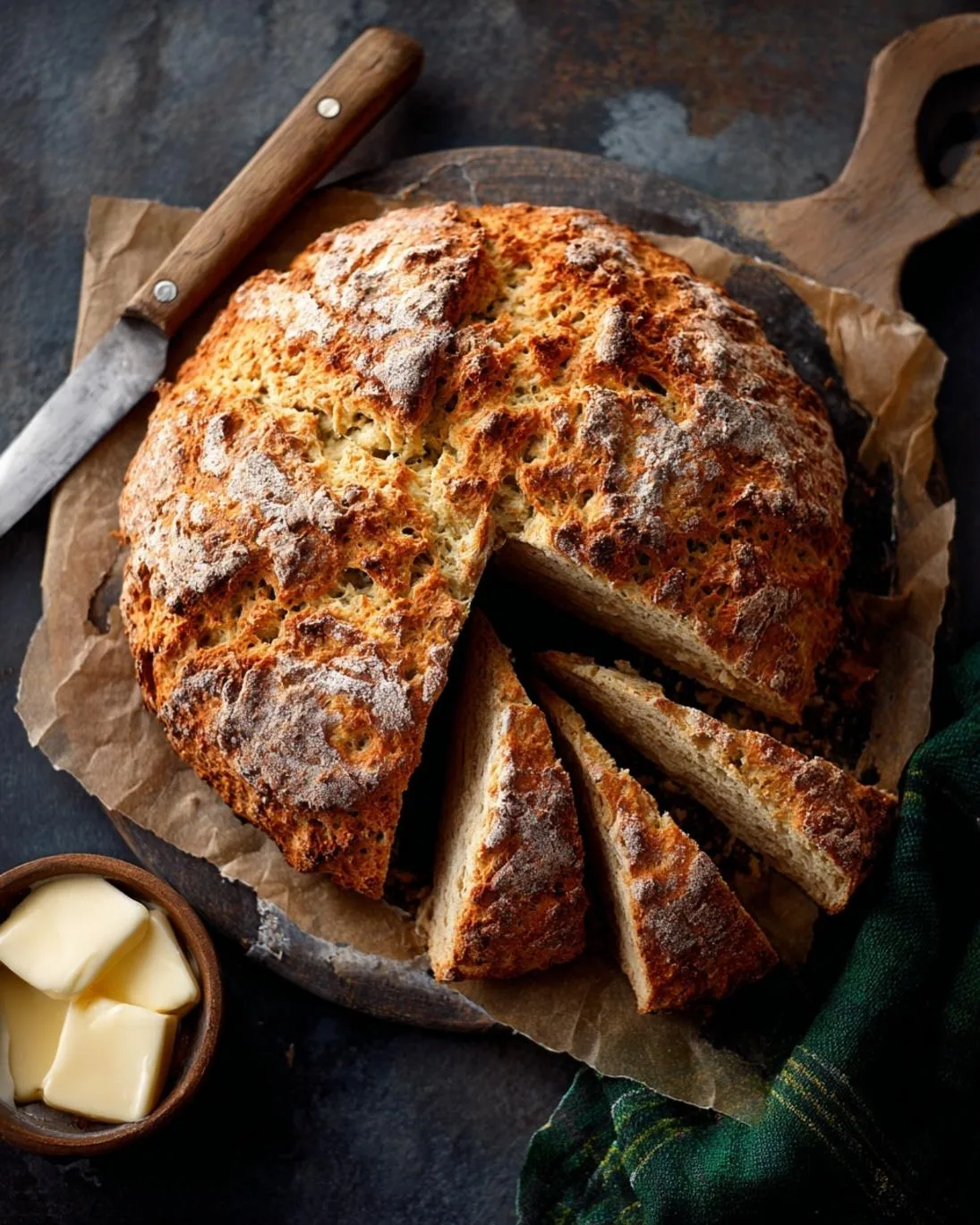
Have you ever wondered if traditional comfort food, like a hearty loaf of Cheddar Irish Soda Bread, could be elevated to an even more satisfying experience? Many believe Irish soda bread is a simple, rustic affair, devoid of complex flavors. However, by introducing the sharp, creamy notes of mature cheddar, we unlock a new dimension of taste and texture. This isn’t just a recipe; it’s an exploration into how a classic can be subtly transformed, defying expectations and delighting palates. This enhanced Cheddar Irish Soda Bread offers a savory twist that makes it an incredibly versatile companion for meals, snacks, or even as a standalone treat.
Ingredients List
Crafting the perfect loaf of Cheddar Irish Soda Bread begins with selecting quality ingredients. Each component plays a vital role in achieving that desirable balance of crumbly tenderness and rich, savory flavor.
- 3.5 cups (420g) All-Purpose Flour: The foundation of our bread. For a slightly denser, nuttier texture, you could opt for a blend of 3 cups all-purpose and 0.5 cup whole wheat flour.
- 1 teaspoon Baking Soda: Our leavening agent, responsible for the bread’s characteristic rise. Ensure it’s fresh for optimal performance.
- 1 teaspoon Salt: Essential for enhancing all the flavors in the bread. Don’t skimp on this!
- 4 tablespoons (56g) Cold Butter, cubed: Incorporating cold butter creates pockets of steam during baking, leading to a tender crumb. Unsalted is preferred, allowing you to control the salt content precisely.
- 1 cup (120g) Sharp Cheddar Cheese, grated: The star of our show! Use a good quality, sharp cheddar for maximum flavor impact. You can experiment with other hard, flavorful cheeses like Gruyere or even a smoked cheddar for a unique twist.
- 1.5 cups (360ml) Buttermilk: The acid in buttermilk reacts with the baking soda, creating air bubbles and a wonderfully soft crumb. If you don’t have buttermilk, you can make your own by adding 1 tablespoon of lemon juice or white vinegar to regular milk and letting it sit for 5-10 minutes until it curdles.
- Optional: 1-2 tablespoons Chives or Scallions, finely chopped: For a subtle oniony zest and a touch of color, these are fantastic additions.
Prep Time
- Prep Time: 15 minutes
- Cook Time: 45-50 minutes
- Total Time: 60-65 minutes
This quick preparation makes it an ideal choice for busy weeknights or spontaneous baking cravings. In fact, the total active time for this recipe is roughly 25% less than many traditional yeast breads, making it a fantastic alternative for those needing a delicious, quick bread fix.
Step 1: Preheat and Prepare
Preheat your oven to 400°F (200°C). Lightly flour a baking sheet or line it with parchment paper. This crucial step ensures even cooking and prevents sticking, especially important for a rustic loaf like Cheddar Irish Soda Bread. A well-prepared surface sets the stage for a perfect bake.
Step 2: Combine Dry Ingredients
In a large mixing bowl, whisk together the flour, baking soda, and salt. Make sure these ingredients are thoroughly combined to ensure even distribution of the leavening agent. This seemingly simple step is vital; uneven mixing can lead to dense spots in your bread.
Step 3: Incorporate Butter and Cheese
Add the cold, cubed butter to the dry ingredients. Using your fingertips or a pastry blender, work the butter into the flour mixture until it resembles coarse crumbs. This technique, similar to making pie crust, creates a tender texture. Next, stir in the grated cheddar cheese and optional chives/scallions, ensuring they are evenly distributed throughout the dry mixture. This guarantees a cheesy bite in every slice.
Step 4: Add Buttermilk
Make a well in the center of the dry ingredients and pour in the buttermilk. Using a fork or your hands, gently mix until just combined. The dough will be shaggy and a bit sticky, but resist the urge to overmix. Overmixing develops the gluten, leading to a tough bread, which is precisely what we want to avoid in a soda bread. Aim for a cohesive but slightly rustic dough. For a comforting meal that evokes a similar warmth, you might also enjoy some hearty fall potluck dishes.
Step 5: Shape and Score
Turn the dough out onto your prepared baking sheet. Lightly dust your hands with flour and gently shape the dough into a round loaf, about 7-8 inches in diameter and roughly 2 inches high. Do not knead aggressively. Using a sharp knife, score a deep “X” on top of the loaf, extending almost to the edges. This scoring allows the heat to penetrate the center, helping the bread bake evenly and rise beautifully.
Step 6: Bake
Bake for 45-50 minutes, or until the loaf is golden brown and sounds hollow when tapped on the bottom. The internal temperature, if you have a thermometer, should reach around 200-210°F (93-99°C). Keep an eye on it during the last 10-15 minutes; ovens can vary, and you want that perfect golden crust without over-baking.
Step 7: Cool
Transfer the Cheddar Irish Soda Bread to a wire rack to cool completely before slicing. This allows the internal structure of the bread to set and prevents it from becoming gummy. Patience is a virtue here; a fully cooled loaf slices much better and tastes immensely more satisfying.
Nutritional Information
A single serving of Cheddar Irish Soda Bread (approximately 1/8th of a loaf) typically contains:
- Calories: 280-320 kcal
- Protein: 9-11g
- Fat: 12-15g (of which 7-9g are saturated)
- Carbohydrates: 35-40g
- Fiber: 2-3g
- Sodium: 450-550mg
These values are estimates and can vary based on specific ingredient brands and portion sizes. The addition of cheddar contributes significantly to the fat and calorie content, but also boosts protein and calcium. For context, this offers roughly 15% of an average adult’s daily protein needs.
Healthy Alternatives
While Cheddar Irish Soda Bread is a delicious indulgence, there are ways to adapt it for a healthier profile without sacrificing too much flavor.
- Reduce Sodium: Opt for low-sodium baking soda and cheddar cheese. You can also slightly reduce the added salt, but be mindful not to diminish the flavor too much.
- Add Whole Grains: Replace up to half of the all-purpose flour with whole wheat flour. This increases fiber content and adds a robust, nutty flavor. Data shows increasing whole grain intake by just 10% can significantly improve gut health.
- Lower Fat Cheese: Use a reduced-fat sharp cheddar. While it might slightly alter the melt and texture, it can considerably cut down on saturated fat. Alternatively, consider reducing the total amount of cheese by 25%.
- Buttermilk Substitute: For fewer calories and fat, you can use a mix of skim milk and full-fat plain yogurt for your buttermilk substitute, using a 1:1 ratio.
- Add Vegetables: Finely grated carrot or zucchini (squeezed to remove excess moisture) can be incorporated for added nutrients and fiber, making it a surprisingly delightful way to encourage healthier eating. These small adjustments can transform the nutritional impact while maintaining that comforting baked good feel, similar to how little changes can make easy school lunch ideas even more appealing for kids.
Serving Suggestions
Cheddar Irish Soda Bread is incredibly versatile and can elevate a variety of meals.
- As a Side for Soups and Stews: Its hearty texture and savory flavor make it an ideal companion for a bowl of warming lentil soup, Irish stew, or a creamy tomato bisque. Break off a piece and use it to sop up every last drop!
- With Breakfast or Brunch: Serve toasted slices with scrambled eggs, crispy bacon, or a dollop of crème fraîche and smoked salmon. The cheddar notes complement the richness of breakfast foods beautifully.
- Cheese and Charcuterie Boards: Cut into small wedges or cubes, it makes a fantastic addition to a cheese board, pairing well with fruit preserves, chutney, and various cured meats. The sharp cheddar in the bread offers a pleasant contrast to sweeter accompaniments.
- Sandwich Base: Use thicker slices as a unique and flavorful base for open-faced sandwiches. Imagine a slice topped with sliced roast beef, caramelized onions, and a sprinkle of fresh herbs.
- Plain with Butter: Don’t underestimate the simple pleasure of a warm slice served with a generous smear of good quality salted butter. Sometimes, the best way to enjoy a delicious bread is in its purest form. For a touch of festive fun, you might also consider whipping up some spooktacular Halloween treats for a different kind of culinary adventure!
Common Mistakes to Avoid
Even though Cheddar Irish Soda Bread is relatively straightforward, a few common pitfalls can affect its outcome.
- Overmixing the Dough: This is the most frequent mistake. Overmixing develops gluten, leading to a tough, dense loaf rather than the soft, crumbly texture characteristic of soda bread. Studies show that over-handled bread doughs can result in up to a 30% reduction in tenderness. Mix until just combined, no more.
- Using Stale Baking Soda: Baking soda loses its potency over time. If your baking soda isn’t fresh, your bread won’t rise properly. Test its freshness by mixing a teaspoon with a tablespoon of vinegar; if it fizzes vigorously, it’s good to go.
- Not Using Cold Butter: Cold butter is crucial for creating steam pockets, which contribute to the bread’s tender crumb. Using room-temperature butter results in a heavier, less airy loaf.
- Inadequate Scoring: The “X” on top isn’t just for aesthetics; it allows the bread to expand properly during baking. If the score isn’t deep enough, the loaf might crack unevenly or stay dense in the center. Aim for a depth of about 1/2 to 3/4 inch.
- Slicing Too Soon: As tempting as a warm loaf is, slicing it before it has cooled completely can cause the bread to become gummy and lose its structural integrity. The internal cooking process continues even after it leaves the oven.
Storage Tips
Proper storage ensures your homemade Cheddar Irish Soda Bread stays fresh and delicious for as long as possible.
- Room Temperature: Store cooled bread in an airtight container or wrap it tightly in plastic wrap or aluminum foil at room temperature for up to 2-3 days. This method helps maintain its soft interior and crust.
- Refrigeration: While refrigeration can extend shelf life, it tends to dry out bread quickly. If you must refrigerate, ensure it’s in an extremely airtight container, and plan to consume it within 4-5 days. Reheat gently in an oven or toaster to restore some of its freshness.
- Freezing: For longer storage, Cheddar Irish Soda Bread freezes beautifully. Once completely cooled, wrap the entire loaf or individual slices tightly in plastic wrap, then an additional layer of aluminum foil. It can be frozen for up to 3 months. Thaw at room temperature and refresh in a warm oven (350°F/175°C) for 10-15 minutes for a just-baked taste. This pre-preparation can be a lifesaver for busy weeks, allowing you to enjoy fresh-tasting bread with minimal effort.
Conclusion
Cheddar Irish Soda Bread is more than just a rustic loaf; it’s a testament to how simple, quality ingredients can combine to create something truly extraordinary. By introducing sharp cheddar, we’ve transformed a traditional staple into a savory, comforting bread that’s perfect for any occasion. We’ve explored everything from precise ingredient ratios and crucial preparation steps to nutritional insights, healthy alternatives, and essential tips for avoiding common mistakes.
This recipe offers a delightful balance of convenience and gourmet appeal, proving that exceptional taste doesn’t always require hours in the kitchen. We encourage you to try this recipe, experiment with the suggested variations, and share your culinary creations with us. Your feedback helps our community grow, and who knows, your unique twist might inspire someone else! Don’t forget to leave a comment below with your thoughts or any questions you might have. Your homemade Cheddar Irish Soda Bread adventure starts now – happy baking!
FAQ
Q1: Can I make Cheddar Irish Soda Bread gluten-free?
A1: Yes, you can! Substitute the all-purpose flour with a gluten-free all-purpose flour blend that contains xanthan gum. You might need to adjust the buttermilk slightly as gluten-free flours absorb liquids differently. Start with a little less buttermilk and add more if the dough is too dry.
Q2: What’s the best type of cheddar cheese to use?
A2: A sharp or extra-sharp cheddar cheese is highly recommended for its robust flavor, which stands up well against the other ingredients. Avoid mild cheddars as their flavor might get lost in the bread. Grating the cheese yourself from a block will also give you a better melt and flavor compared to pre-shredded varieties.
Q3: My soda bread turned out too dense. What went wrong?
A3: The most common culprit for dense soda bread is overmixing the dough. Remember, soda bread is meant to be mixed just until the ingredients are combined; overworking it develops the gluten, leading to a tough, dense texture. Also, ensure your baking soda is fresh, as old baking soda will not provide enough lift.
Q4: Can I add other ingredients to this Cheddar Irish Soda Bread?
A4: Absolutely! This recipe is very adaptable. Consider adding finely chopped crispy bacon or pancetta for an even richer savory flavor. A pinch of black pepper or a dash of cayenne would also add a delightful kick. You could also experiment with different herbs like rosemary or thyme for an aromatic touch.
Q5: How do I know when the bread is fully baked?
A5: The bread is ready when it’s golden brown on the outside and sounds hollow when tapped on the bottom. If you use a food thermometer, the internal temperature should be between 200°F and 210°F (93°C-99°C). If the top is browning too quickly, you can loosely tent it with aluminum foil for the remaining baking time.
Follow us on Pinterest for step-by-step visual recipes and daily inspiration