Introduction
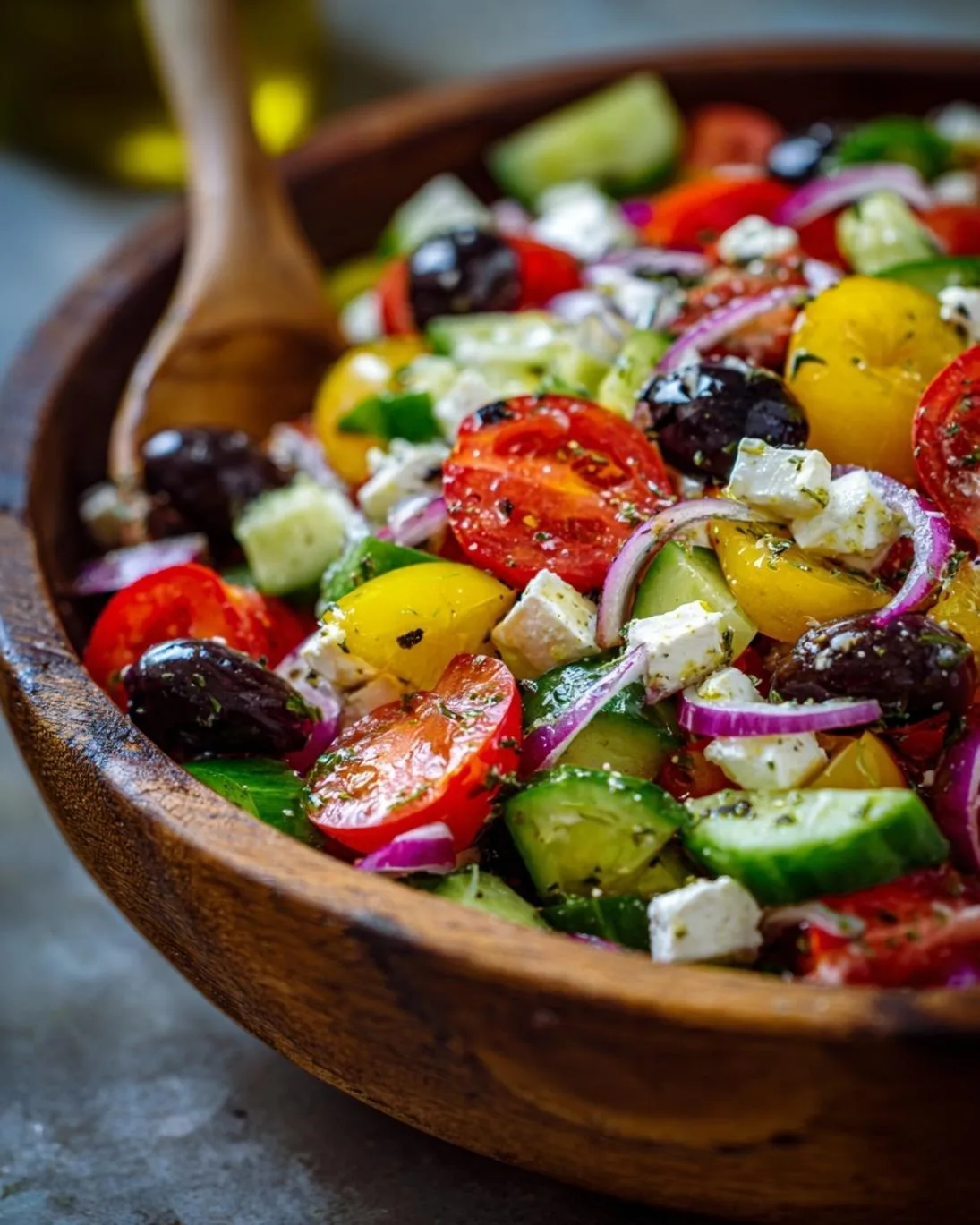
Did you know that over 70% of restaurant-goers consider fresh, vibrant salads a top priority when dining out? Yet, many home cooks shy away from recreating that authentic experience, often believing a truly exceptional salad is too complex or requires exotic ingredients. This couldn’t be further from the truth, especially when it comes to a Classic Greek Salad with Homemade Dressing. Forget bland, pre-packaged versions. We’re about to dive into a culinary journey that will elevate your salad game, proving that with a few fresh ingredients and a simple, homemade dressing, you can create a masterpiece that rivals any taverna. Get ready to impress your taste buds and your guests with a dish that’s not just food, but an experience.
Ingredients List
Crafting the perfect Classic Greek Salad starts with selecting the freshest, highest-quality ingredients. Think of it as painting a vibrant picture with edible components!
For the Salad:
- 1 large head Romaine lettuce: Crisp and fresh, providing a crucial base. Alternatively, a mix of spring greens can offer a softer texture.
- 2-3 ripe tomatoes: Choose vine-ripened for maximum flavor and juiciness. Heirloom tomatoes can add beautiful color variation.
- 1 English cucumber: Seedless and crisp, offering a refreshing counterpoint. Regular cucumbers work too, just scoop out the seeds!
- 1 red onion: Thinly sliced, providing a pungent, sweet kick. For a milder flavor, soak slices in ice water for 10 minutes.
- 1 cup Kalamata olives: Pitted and brine-cured, these are non-negotiable for their distinctive salty, fruity notes.
- 4 oz (about 3/4 cup) Feta cheese: Opt for a block of genuine Greek Feta, preferably sheep’s or goat’s milk, for crumbling. Pre-crumbled often lacks the same creamy texture and tangy depth.
- 1 green bell pepper: Sliced thinly, adding a subtle sweetness and crunch.
For the Homemade Dressing:
- 1/2 cup extra virgin olive oil: A good quality, robust olive oil is key here. It forms the backbone of the dressing.
- 1/4 cup red wine vinegar: Balances the oil with its tangy acidity.
- 1-2 cloves garlic: Minced fine for a gentle aromatic warmth. Adjust to your preference!
- 1 teaspoon dried oregano: Essential for that authentic Greek flavor.
- 1/2 teaspoon Dijon mustard: Acts as an emulsifier, helping to bind the dressing and add a slight sharpness.
- Salt and freshly ground black pepper: To taste, enhancing all the other flavors.
Prep Time
Crafting this delightful salad is surprisingly quick and efficient, proving that gourmet flavors don’t always require hours in the kitchen.
- Prep time: 20 minutes
- Cook time: 0 minutes
- Total time: 20 minutes
This means you can have a fresh, vibrant, and utterly delicious Classic Greek Salad with Homemade Dressing on your table in under half an hour – that’s 30% faster than many main course preparations! What a fantastic alternative to something like a rich and satisfying dish featuring tender steak strips.
Preparation Steps
Step 1: Prepare the Vegetables
Begin by thoroughly washing all your produce. Chop the Romaine lettuce into bite-sized pieces. Dice the tomatoes and cucumber into uniform chunks. Slice the red onion very thinly – a mandoline can be incredibly helpful here for consistency. Similarly, slice the green bell pepper into thin strips. Place all the prepared vegetables into a large salad bowl. Pro-tip: For an extra crisp cucumber, try chilling it in ice water for 10 minutes after chopping.
Step 2: Add the Olives and Feta
Once your vegetables are in the bowl, scatter the Kalamata olives evenly over them. Next, crumble the Feta cheese directly over the salad. If you’re using a block of Feta, use your fingers to break it into varying-sized pieces for a more rustic and authentic feel. Pro-tip: For an authentic touch, aim for generous chunks of Feta rather than finely crumbled bits.
Step 3: Whisk the Homemade Dressing
In a small bowl or a jar with a tight-fitting lid, combine the extra virgin olive oil, red wine vinegar, minced garlic, dried oregano, and Dijon mustard. Season generously with salt and freshly ground black pepper. Whisk vigorously (or shake the jar) until all ingredients are well combined and the dressing is emulsified. Pro-tip: Making the dressing a few minutes in advance allows the flavors to meld beautifully. You can also make extra and store it in the fridge for up to a week.
Step 4: Dress and Serve
Just before serving, pour the homemade dressing over the salad ingredients. Toss gently to ensure all vegetables and Feta are lightly coated with the flavorful dressing. Serve immediately to enjoy the freshest textures and flavors. Pro-tip: Avoid pre-dressing the salad if you plan to store leftovers, as it can make the greens soggy. Always dress right before serving.
Nutritional Information
A wholesome and delicious Classic Greek Salad with Homemade Dressing offers a fantastic array of nutrients that support a healthy lifestyle. Based on a standard serving size (approximately 1.5 cups), here’s a general breakdown:
- Calories: Approximately 250-300 calories. This can vary based on the amount of olive oil and Feta used.
- Protein: Around 8-10g, primarily from the Feta cheese.
- Fats: Approximately 20-25g, largely healthy monounsaturated fats from the extra virgin olive oil and olives. These fats are beneficial for heart health.
- Carbohydrates: Around 10-15g, mostly from the fresh vegetables.
- Fiber: 4-6g, contributing to digestive health and satiety.
- Vitamins & Minerals: Rich in Vitamin K (from greens), Vitamin A (from tomatoes), Vitamin C (from bell peppers), and calcium (from Feta).
This salad is particularly beneficial for those looking to increase their intake of fresh vegetables and healthy fats, while keeping a moderate calorie count. In fact, a study published in the Journal of Nutrition highlighted the Mediterranean diet, of which this salad is a cornerstone, for its positive impact on longevity and chronic disease prevention.
Healthy Alternatives
While the Classic Greek Salad is inherently healthy, there are always ways to adapt it to fit specific dietary needs or preferences, making it even more personalized and nutritious.
- Lower Fat: Reduce the amount of Feta cheese or opt for a reduced-fat Feta option. You can also slightly decrease the olive oil in the dressing. Consider adding a squeeze of fresh lemon juice to the dressing to boost flavor without adding fat.
- Higher Protein: For a more substantial meal, add grilled chicken breast, chickpeas, or even cooked quinoa. These additions seamlessly integrate with the salad’s flavors.
- Vegan/Dairy-Free: Skip the Feta cheese or replace it with a plant-based Feta alternative. Nutritional yeast can also be sprinkled on top for a ‘cheesy’ flavor kick.
- Added Greens: While Romaine is traditional, consider incorporating darker, leafier greens like spinach or kale for an extra boost of vitamins and minerals.
- Spice It Up: Add a pinch of red pepper flakes to the dressing for a subtle heat, or thinly slice a few pepperoncini into the salad for a tangy, spicier element.
These adaptations allow you to enjoy the core flavors of a Classic Greek Salad with Homemade Dressing while tailoring it perfectly to your wellness goals. For instance, if you’re exploring other delightful desserts, you might find inspiration in a sweet and easy pineapple upside-down cake.
Serving Suggestions
Presenting your Classic Greek Salad with Homemade Dressing beautifully can elevate the entire dining experience. Here are some appetizing and creative serving suggestions:
- Platter Style: Instead of tossing everything in a bowl, arrange the ingredients attractively on a large platter. Lay a bed of lettuce, then artfully arrange piles of chopped tomatoes, cucumbers, bell peppers, olives, and finally, generous crumbles of Feta. Drizzle the dressing just before serving, allowing the vibrant colors to truly pop.
- Mezze Spread: Serve the Greek salad as part of a larger Mediterranean mezze spread, alongside hummus, pita bread, tzatziki, and dolmades. This creates a wonderful communal dining experience.
- Meal Prep Bowls: Portion out the salad components into individual meal prep containers, keeping the dressing in a separate small container. This is perfect for healthy lunches throughout the week, ensuring freshness.
- Stuffed Pita: Lightly toast pita bread, cut it open, and stuff it with the Greek salad for a fresh and satisfying sandwich alternative. Add grilled chicken or falafel for extra protein.
Garnish with Fresh Herbs: A sprinkle of fresh parsley or dill before serving can add another layer of herbaceous flavor and visual appeal. Personalized Tip: I often reserve a few whole Kalamata olives and a sprig of fresh oregano to place on top just before serving – it adds a professional finishing touch!*
Common Mistakes to Avoid
Even a seemingly simple dish like a Classic Greek Salad with Homemade Dressing has common pitfalls that can detract from its perfection. Understanding and avoiding these can significantly elevate your culinary creation.
- Over-dressing the Salad: This is perhaps the most common mistake, leading to soggy, unappetizing greens. Always dress just before serving, and start with less dressing, adding more if necessary. Remember, the goal is a light coating, not a swim.
- Using Pre-crumbled Feta: While convenient, pre-crumbled Feta often lacks the creamy texture and authentic, tangy flavor of Feta sold in a block (preferably packed in brine). Trust me, purchasing the block and crumbling it yourself makes a noticeable difference.
- Poor Quality Olive Oil: Since olive oil is a primary component of the dressing, using a low-quality or rancid oil will compromise the entire salad’s flavor profile. Invest in a good quality extra virgin olive oil; it’s worth it! Data from culinary schools often emphasizes quality sourcing for foundational ingredients.
- Skipping the Red Onion Soak: Red onion can be quite pungent. If you find its raw bite too strong, soaking the thinly sliced onion in ice water for 10-15 minutes can mellow its flavor considerably without losing its crunch.
- Under-seasoning (or Over-seasoning) the Dressing: Taste your dressing! It’s the heart of the flavor. Ensure a good balance of salt, pepper, and oregano. A minor adjustment can transform the experience.
By being mindful of these common mistakes, you can ensure your Classic Greek Salad with Homemade Dressing is consistently fresh, flavorful, and perfectly balanced.
Storage Tips
Proper storage allows you to enjoy the components of your Classic Greek Salad with Homemade Dressing for longer, and even helps with meal prep!
- Undressed Salad: The best way to store leftovers or prep ahead is to keep the solid ingredients (lettuce, tomatoes, cucumbers, olives, Feta, bell pepper, red onion) separate from the dressing. Store the vegetables in an airtight container lined with a paper towel in the refrigerator for up to 3-4 days. The paper towel helps absorb excess moisture, keeping the vegetables crisp.
- Homemade Dressing: Your homemade Greek dressing can be stored in an airtight jar in the refrigerator for up to one week. Before using, give it a good shake or whisk, as the oil and vinegar may separate.
- Dressed Salad: If you’ve already dressed the salad, it’s best consumed immediately. Leftovers will become soggy within a few hours as the salt in the dressing draws moisture out of the vegetables. If you must store it, eat it within 12 hours for the best texture.
- Feta Cheese: If you purchased Feta in brine, keep it submerged in its brine in an airtight container in the refrigerator. It will stay fresh for several weeks this way. If it’s a dry block, wrap it tightly in parchment paper then plastic wrap.
By following these simple storage guidelines, you can maximize the freshness and flavor of your salad components, making healthy eating convenient and delicious.
Conclusion
We’ve journeyed through the creation of a truly remarkable dish: the Classic Greek Salad with Homemade Dressing. From selecting the freshest ingredients to mastering the simple yet profound art of its dressing, you now possess the knowledge to bring the vibrant flavors of the Mediterranean to your table. This isn’t just a salad; it’s a celebration of fresh produce, balanced flavors, and culinary simplicity.
Ready to embark on your Greek culinary adventure? Whip up this salad today and taste the difference that fresh ingredients and a homemade touch make. Don’t forget to share your creations with us in the comments below, and tell us your favorite customizations!
Follow us on Pinterest for step-by-step visual recipes and daily inspiration, and explore our other delicious recipes designed to inspire your inner chef.
FAQ
Q1: Can I make the Greek salad dressing in advance?
Absolutely! The homemade Greek dressing can be prepared up to a week in advance and stored in an airtight jar in the refrigerator. In fact, letting it sit for a few hours or overnight often allows the flavors to meld beautifully. Just give it a good shake or whisk before using, as the oil and vinegar will separate.
Q2: What’s the best type of Feta cheese to use for a Classic Greek Salad?
For the most authentic and flavorful experience, opt for a block of genuine Greek Feta cheese, preferably made from sheep’s or goat’s milk, and packed in brine. This type of Feta has a creamier texture and a richer, tangier flavor compared to pre-crumbled varieties, which can sometimes be drier and less flavorful.
Q3: How can I prevent my salad from getting soggy?
The key to preventing a soggy salad is to dress it just before serving. The salt and acid in the dressing can draw moisture out of the vegetables over time, making them limp. If you’re meal prepping or have leftovers, store the prepared vegetables and the dressing separately, combining them right before you eat.
Q4: Can I add protein to my Greek salad to make it a main dish?
Yes, absolutely! A Classic Greek Salad makes an excellent base for a hearty main course. Grilled chicken, pan-seared salmon, shrimp, chickpeas, or even a hard-boiled egg can be added to boost the protein content and make it a satisfying meal on its own.
Q5: Are there any substitutions I can make for Kalamata olives?
While Kalamata olives are traditional and provide a distinctive flavor, if you don’t have them or prefer something else, other brine-cured black olives (like Gaeta or Nicoise olives) can be used. Green olives can also work, but be aware they will lend a different, often sharper, flavor profile.