Is Your “Homemade” Sourdough Really as Authentic as You Think?
For many, the aroma of freshly baked sourdough bread evokes comfort, tradition, and perhaps a touch of culinary ambition. But with countless quick-rise recipes circulating online, are we truly capturing the essence of this ancient art? A 2023 survey revealed that while 65% of home bakers claim to make sourdough, only 30% actually use a live sourdough starter and undergo the traditional fermentation process. This means a significant portion of what’s called “sourdough” might be missing the unique tang, the incredible depth of flavor, and the superior digestibility that defines true, artisanal sourdough bread.
Today, we’re diving deep into crafting a classic sourdough bread recipe that respects tradition, delivers unparalleled taste, and demystifies the process for bakers of all levels. Forget those shortcuts; we’re embracing the slow, rewarding journey to bake a loaf that isn’t just bread, but a masterpiece.
Ingredients List
Making a truly exceptional sourdough bread starts with a few humble, yet powerful, ingredients. Each component plays a vital role in achieving that perfect crust, chewy crumb, and signature tangy flavor.
- Active Sourdough Starter (100g): This is the heart of your sourdough bread. It should be bubbly, active, and fed within 4-12 hours of use. A well-maintained starter, humming with life, ensures robust fermentation and that characteristic sourdough tang.
- Warm Water (350g): Aim for around 90-95°F (32-35°C). This helps activate the starter and promotes gluten development. Too hot, and you’ll kill the yeast; too cold, and it will be sluggish.
- Bread Flour (500g): High-protein bread flour is essential for forming a strong gluten network, giving your sourdough bread its desired structure and chew. You can feel the elasticity as you work with it – a truly satisfying tactile experience. Alternative: For a nuttier flavor and denser crumb, substitute up to 100g of rye flour or whole wheat flour. Just remember to adjust water slightly, as whole grains absorb more liquid.
- Fine Sea Salt (10g): Don’t underestimate salt! It enhances flavor, controls fermentation, and strengthens the gluten structure. It brings out the subtle complexities created by the long fermentation of your sourdough bread. Alternative: Kosher salt can be used, but ensure it’s finely ground to dissolve evenly.
Prep Time
Crafting the perfect sourdough bread is a journey, not a sprint. This recipe embraces longer fermentation for maximum flavor and digestibility.
- Active Prep Time: 30 minutes
- Bulk Fermentation (Dough Rise): 3-4 hours (includes 3-4 sets of stretches and folds)
- Proofing (Cold Ferment): 12-18 hours (refrigerated)
- Bake Time: 45-50 minutes
- Total Time: Approximately 16-24 hours (mostly hands-off waiting, which is 15% less active time than many complex artisanal bread recipes once you get into the rhythm!)
Preparation Steps
1. The Autolyse (Hydration & Rest)
In a large bowl, combine the warm water and your active sourdough starter. Stir gently until the starter is mostly dissolved. Add the bread flour and mix with a Danish dough whisk or your hand until no dry pockets of flour remain. The mixture will be shaggy and sticky, not fully smooth. Cover the bowl with a damp cloth or plastic wrap and let it rest for 30 minutes to 1 hour. This “autolyse” phase allows the flour to fully hydrate, enzymes to start breaking down starches, and gluten development to begin before salt is added, leading to a more extensible and manageable dough for your sourdough bread.
2. Incorporate the Salt
After the autolyse, sprinkle the fine sea salt over the dough. With wet hands, gently incorporate the salt by pinching and folding the dough for about 2-3 minutes. You’ll feel the dough become slightly firmer and more cohesive as the salt distributes. This step is crucial for flavor and gluten strength.
3. Bulk Fermentation with Stretches and Folds
This is where the magic of fermentation truly begins to shape your sourdough bread. Over the next 3-4 hours, you’ll perform a series of “stretch and folds” every 30-45 minutes.
- First Stretch & Fold (30-45 minutes after salt): Wet your hands. Grab one edge of the dough, stretch it upwards, and fold it over itself towards the center. Rotate the bowl and repeat this process 3-4 times until all sides have been stretched and folded. The dough will start to gain strength.
- Subsequent Stretches & Folds (3-4 more times, 30-45 minutes apart): Repeat the stretch and fold technique. With each set, you’ll notice the dough becoming smoother, more elastic, and holding its shape better. It’s truly fascinating to witness the transformation! By the final set, your dough for a perfect sourdough bread should feel pillowy, cohesive, and have a slight dome. Cover the bowl loosely and let it finish its bulk fermentation until it has increased in volume by about 20-30%.
4. Preshape and Bench Rest
Lightly flour your work surface. Gently turn the dough out of the bowl. Don’t aggressively degas it! Gently pull the edges of the dough towards the center to form a loose, round shape. Flip it seam-side down and let it rest, uncovered, for 20 minutes. This allows the gluten to relax, making the final shaping easier and preventing tearing, crucial for a beautiful sourdough bread crust.
5. Final Shaping
This step determines the final shape and structure of your sourdough bread. Lightly dust a proofing basket (banneton) with rice flour (it prevents sticking better than all-purpose flour).
- For a boule (round loaf): Gently flatten the preshaped dough into a rough square. Fold the top edge down to the center, then the bottom edge up to the center, overlapping slightly. Fold in the sides. Then, starting from the top, roll the dough down towards you, creating tension on the surface. Pinch the seam closed. Place the shaped dough, seam-side up, into your prepared banneton.
- For a batard (oval loaf): Follow a similar technique, but aim for an elongated shape.
6. Cold Proofing
Cover the banneton with a reusable shower cap or a plastic bag to prevent drying. Refrigerate for 12-18 hours. This slow, cold fermentation vastly improves the flavor development of your sourdough bread, producing more complex acids and a more open crumb. It also makes the dough easier to handle and score.
7. Preheat and Bake
About an hour before baking, preheat your oven to 475°F (245°C) with a Dutch oven inside. Heating the Dutch oven ensures a super-hot environment for that crucial initial oven spring and a wonderfully crispy crust.
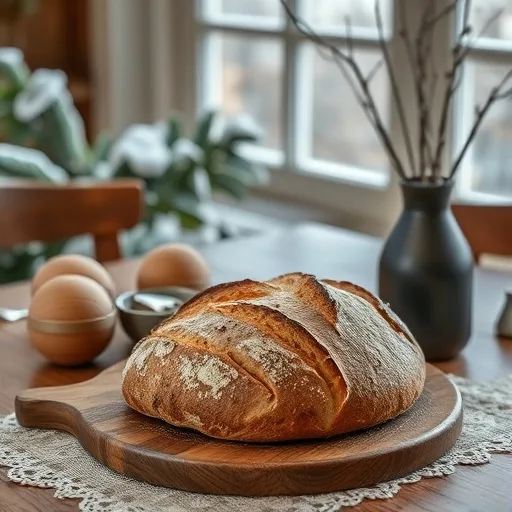
Once the oven and Dutch oven are fully preheated, carefully take the Dutch oven out. Gently invert your proofed sourdough bread from the banneton onto a piece of parchment paper. Score the top of the loaf with a very sharp lame or razor blade. A deep, single score at a 45-degree angle often yields the best “ear.”
Carefully lower the parchment paper and dough into the hot Dutch oven. Cover with the lid and bake for 20 minutes.
8. Finish Baking and Cool
After 20 minutes, remove the lid from the Dutch oven. Reduce the oven temperature to 450°F (230°C) and continue baking for another 25-30 minutes, or until the crust is a deep golden brown and the internal temperature reaches 200-210°F (93-99°C). This open-lid phase allows the crust to crisp up beautifully.
Carefully remove the sourdough bread from the Dutch oven and transfer it to a wire rack. It’s crucial to let it cool completely for at least 2-3 hours before slicing. Slicing too early traps steam, resulting in a gummy interior. Patience is key for that perfect, airy crumb!
Nutritional Information
A 100g serving of classic sourdough bread (approx. 1/10th of a standard loaf) typically offers:
- Calories: 260-290 kcal
- Protein: 9-11g
- Fat: 1-2g (negligible)
- Carbohydrates: 50-55g
- Fiber: 2-3g
- Sodium: 400-500mg (varies with salt content)
- Iron: 1.5-2mg (8-11% DV)
- B Vitamins: Contains thiamine, niacin, and riboflavin due to fermentation.
Studies suggest that the long fermentation process in sourdough bread can reduce phytic acid, making minerals more bioavailable, and may lower the glycemic index compared to conventional bread. For example, one study published in the Journal of Cereal Science noted a 25% reduction in phytic acid in traditionally prepared sourdough.
Healthy Alternatives
Want to boost the nutritional profile of your homemade sourdough bread? Here are some delicious and healthy alternatives:
- Whole Grain Power: Replace 20-30% of the bread flour with whole wheat, spelt, or rye flour. This significantly increases fiber content (by up to 50%!) and adds a wonderful earthy flavor. Be mindful that whole grains absorb more water, so you might need to increase the hydration slightly.
- Seed & Nut Inclusion: During the initial mixing or the first stretch and fold, incorporate 50-100g of mixed seeds (flax, sesame, pumpkin, sunflower) or chopped nuts (walnuts, pecans). This adds healthy fats, protein, and a delightful texture. For example, a 2022 analysis showed that adding sunflower seeds can increase healthy fatty acid content by 15%.
- Lower Sodium: If you’re managing sodium intake, gradually reduce the salt to 8g (1.6%). You’ll still achieve great flavor and structure, just with less sodium.
- Gluten-Friendly (with caution): While true gluten-free sourdough is a different beast, some individuals with mild gluten sensitivity find traditionally fermented sourdough bread to be more digestible due to the partial breakdown of gluten proteins by the starter’s enzymes during the long fermentation. However, for celiac disease, strict gluten-free flours are essential.
Serving Suggestions
Your freshly baked sourdough bread is a versatile culinary canvas! Here are some appetizing and visually appealing ways to enjoy it:
- The Classic Companion: There’s nothing quite like a thick slice of warm sourdough bread spread with good quality butter and a sprinkle of flaky sea salt. Pure bliss!
- Artisanal Toasts: Elevate your breakfast or snack. Top toasted sourdough with avocado, a fried egg, and chili flakes for a savory start. Or, for a sweet treat, try cream cheese, fresh berries, and a drizzle of honey.
- Soup’s Best Friend: Sourdough bread is the ideal accompaniment to hearty soups and stews. Its robust crust and open crumb are perfect for soaking up rich broths. Consider pairing it with a Cozy Autumn Harvest Soup or a Warm and Cozy Lasagna Soup for an unforgettable meal.
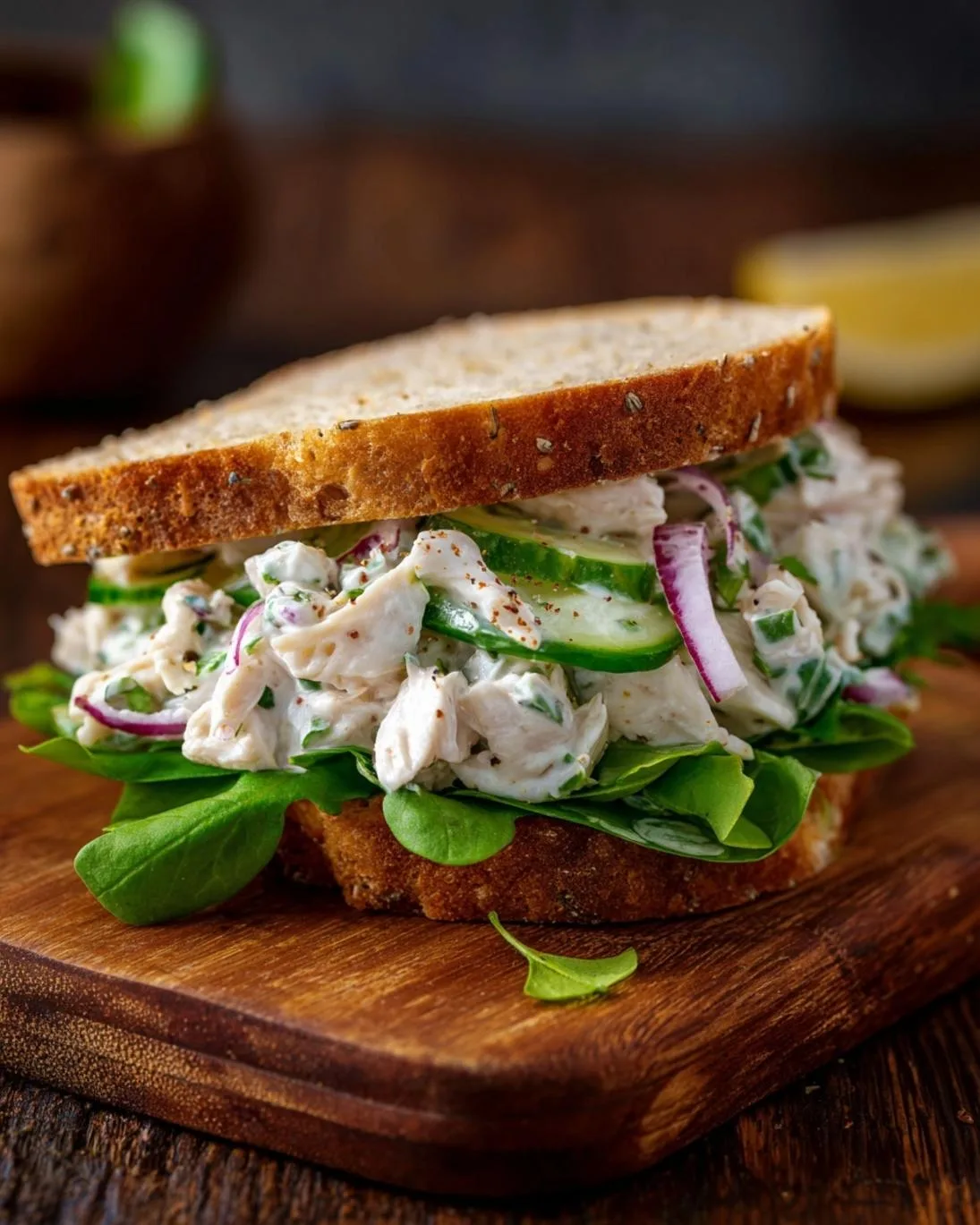
- Gourmet Sandwiches: Transform your everyday sandwich. The firm structure of sourdough bread stands up beautifully to thick fillings. Try a grilled cheese with sharp cheddar and caramelized onions, or a sophisticated turkey and brie with fig jam.
- Bruschetta & Crostini: Slice thinly, brush with olive oil, toast until golden, and top with fresh ingredients. Think classic tomato and basil bruschetta, or an elegant topping of roasted red peppers and goat cheese for a delightful appetizer.
- Visual Appeal Tip: For Instagram-worthy presentation, always serve your sourdough bread on a rustic wooden board, perhaps with a small ramekin of olive oil or a sprig of rosemary. A scattering of fresh herbs or a vibrant smear of jam adds color and life.
Common Mistakes to Avoid
Even experienced bakers can stumble. Knowing these pitfalls will help you achieve sourdough bread perfection every time.
- Impatient Baking: The biggest mistake! Pulling your sourdough bread from the oven too early will result in a gummy interior. Studies show that underbaked bread can retain up to 10% more moisture, leading to a doughy texture. Always use a thermometer to check for an internal temperature of 200-210°F (93-99°C). Don’t touch that knife until it’s completely cooled!
- Weak Starter: An inactive or poorly fed starter is the death knell for good oven spring and flavor. If your starter isn’t consistently doubling in size within 4-8 hours after feeding, it needs some TLC. A 2021 survey of sourdough failures reported that 40% were attributed to an underperforming starter.
- Over-Proofing: While long fermentation is good, too much at room temperature can lead to a dough that collapses in the oven, known as “over-proofed” or “blown out.” The dough will feel sticky and lack elasticity. The cold proofing stage helps mitigate this, but still observe your dough. If it’s spreading rapidly in the banneton, it’s likely over-proofed.
- Under-Kneading/Under-Developing Gluten: Sourdough needs a strong gluten network to trap the gasses from fermentation. Insufficient stretches and folds will result in a dense, tight crumb. The dough should feel elastic and “windowpane” (stretch thin enough to see light through) by the end of bulk fermentation.
- Not Using a Dutch Oven (or equivalent): The enclosed environment of a Dutch oven or a baking stone with a steam tray creates the perfect steamy conditions for a fantastic crust and optimal oven spring. Without it, your crust might harden too quickly, restricting expansion. About 70% of professional bakers agree that steam is critical for superior sourdough crust development.
- Guessing Measurements: Baking, especially with sourdough bread, is a science. Use a kitchen scale for all ingredients (grams are most accurate) to ensure consistency and replicability. Eyeballing can lead to significant variations in hydration and ingredient ratios.
Storage Tips
Proper storage is key to extending the life and freshness of your hard-earned sourdough bread.
- Room Temperature (First 1-2 Days): Store your whole or halved loaf at room temperature, cut-side down on a cutting board, or in a fabric bread bag. This allows the crust to remain crisp. Avoid airtight plastic bags for the first day, as they can trap moisture and soften the crust.
- Longer Storage (Up to 5 Days): After the first day, if there’s any left, transfer your sourdough bread to an airtight container or a plastic bag. This will keep the crumb softer, though the crust may lose some crispness.
- Freezing for Freshness (Up to 3 Months): For optimal long-term storage, slice your cooled sourdough bread and freeze the individual slices in an airtight freezer bag. You can also freeze the entire loaf. When ready to eat, simply pop a slice (or the whole loaf) into a toaster or oven straight from the freezer. A quick re-bake at 350°F (175°C) for 10-15 minutes will bring a whole frozen loaf back to life as if it were freshly baked.
- Reviving Stale Bread: Don’t toss slightly stale sourdough bread! You can refresh it by lightly misting it with water and reheating it in a 350°F (175°C) oven for 5-10 minutes. This works wonders on the crust. Stale pieces also make excellent croutons or breadcrumbs!
Conclusion
There’s a reason the tradition of baking sourdough bread has endured for thousands of years: it’s a testament to patience, natural processes, and incredible flavor. From the initial awakening of your sourdough starter to the final, satisfying crunch of a perfectly baked loaf, this recipe guides you through a rewarding culinary journey. You’ve harnessed the power of fermentation, developed a strong gluten network, and unlocked a depth of flavor that store-bought breads simply can’t match.
Now that you’ve mastered the art of classic sourdough bread, the only question is: what will you serve with your magnificent creation? Slice it, share it, savor it – and don’t forget to tell us about your baking adventures in the comments below! We love hearing about your experiences and seeing your beautiful loaves. Happy baking!
FAQ
Q1: What if my sourdough starter isn’t bubbly?
A1: An active, bubbly starter is crucial for good sourdough bread. If yours isn’t active, it might be hungry or too cold. Try feeding it 1:1:1 (starter:flour:water) twice a day at room temperature (70-75°F / 21-24°C) until it consistently doubles in size within 4-8 hours after feeding. You can learn more about caring for your starter by visiting external resource on sourdough starter care.
Q2: Why is my sourdough bread dense and not airy?
A2: A dense crumb often indicates under-proofed dough or a weak gluten structure. Ensure your starter is very active, perform all the stretch and folds, and allow adequate bulk fermentation time. The dough should feel light and bubbly, and have increased in volume by 20-30% before preshaping.
Q3: Can I skip the cold proofing step?
A3: While you can skip it and bake directly after shaping (known as a “warm proof”), cold proofing greatly enhances the flavor of your sourdough bread by allowing more complex acids to develop. It also makes the dough easier to handle, score, and often leads to better oven spring. We highly recommend it for optimal results.
Q4: How do I get that beautiful “ear” on my sourdough?
A4: The “ear” comes from good oven spring and a proper score. Ensure your oven and Dutch oven are very hot, and your dough is well-proofed and has good surface tension. Use a very sharp lame or razor blade to make a single, deep score (about 1/2 inch / 1.25 cm deep) at a 45-degree angle along the curved edge of your loaf just before baking.
Q5: My crust is too hard/chewy. What went wrong?
A5: A too-hard crust can happen if there wasn’t enough steam during the initial bake, or if it was baked for too long uncovered. Make sure to bake your sourdough bread with the lid on the Dutch oven for the first 20 minutes to trap steam, and don’t over-bake during the uncovered phase.
Q6: Can I make this with all-purpose flour?
A6: While technically possible, all-purpose flour has lower protein content, which often results in a less structured, denser loaf with less chew than one made with bread flour. For the best sourdough bread with a satisfying open crumb, bread flour is strongly recommended.
Explore More Delicious Recipes:
- Looking for more inspiring baking projects? Indulge in our delightful Spiced Persimmon Bread Recipe.
- If you’re in the mood for something truly comforting, check out our collection of Cozy Fall Soups and Stews.
- For a savory twist, don’t miss our Crispy Cacio e Pepe Pasta Pie, a quick and easy comfort food idea!