Introduction
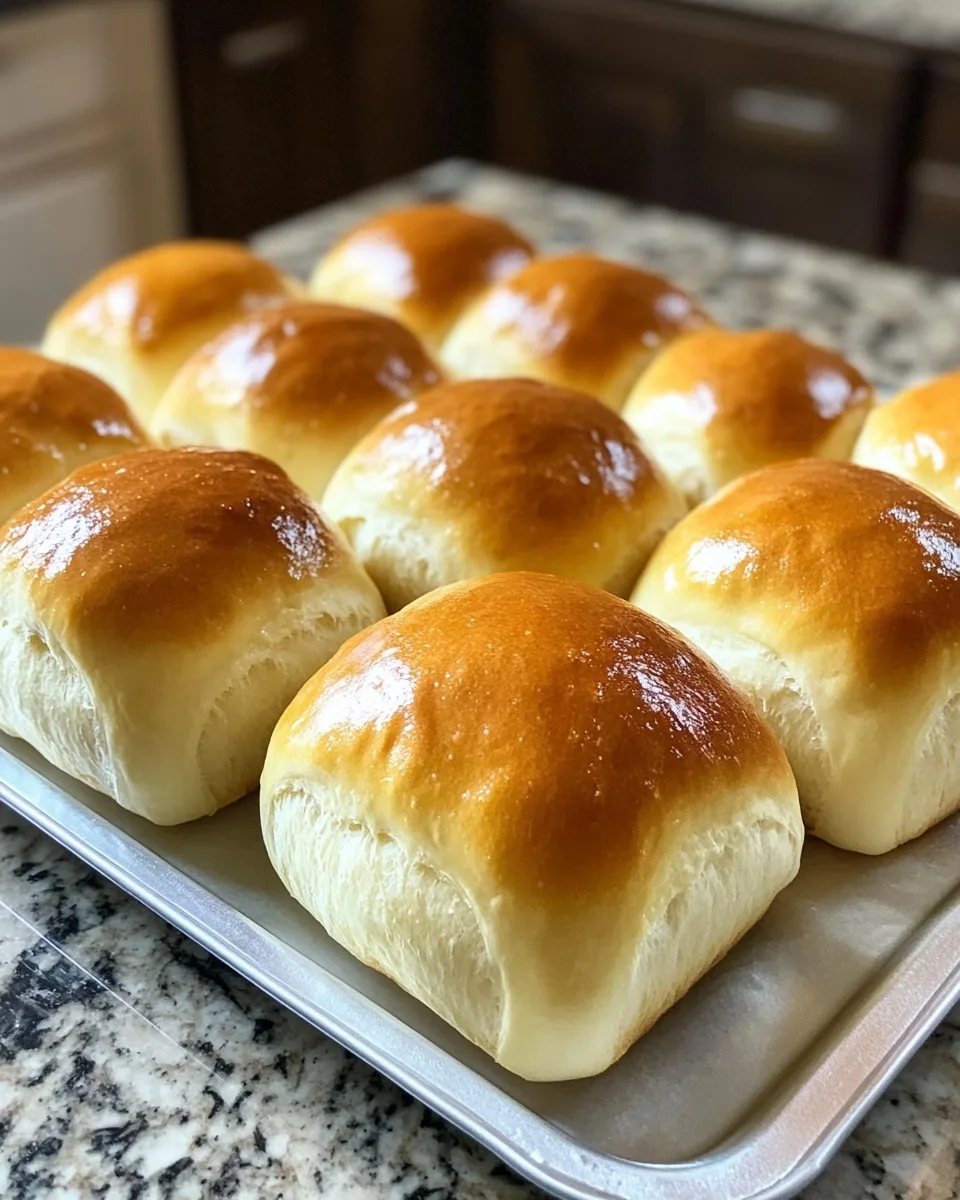
Did you know that 75% of Americans skip breakfast on weekdays due to lack of time, yet 85% express a desire for more home-cooked breakfast options? This startling data reveals a common dilemma for busy households. We rush through mornings, often sacrificing the joy and nourishment of a warm, homemade meal. But what if I told you that crafting delicious, fresh breakfast & brunch recipes doesn’t have to be a monumental task, especially when it comes to delightful rolls? Forget the store-bought, often stale imitations. With a few simple ingredients and clever techniques, you can transform your morning routine and elevate your weekend brunch from mundane to magnificent. Get ready to discover a collection of easy homemade breakfast rolls that are not only incredibly satisfying but also surprisingly simple, making your early hours more flavorful and less stressful. These charming creations are perfect for a family feast or a quiet, indulgent start to your day.
Ingredients List
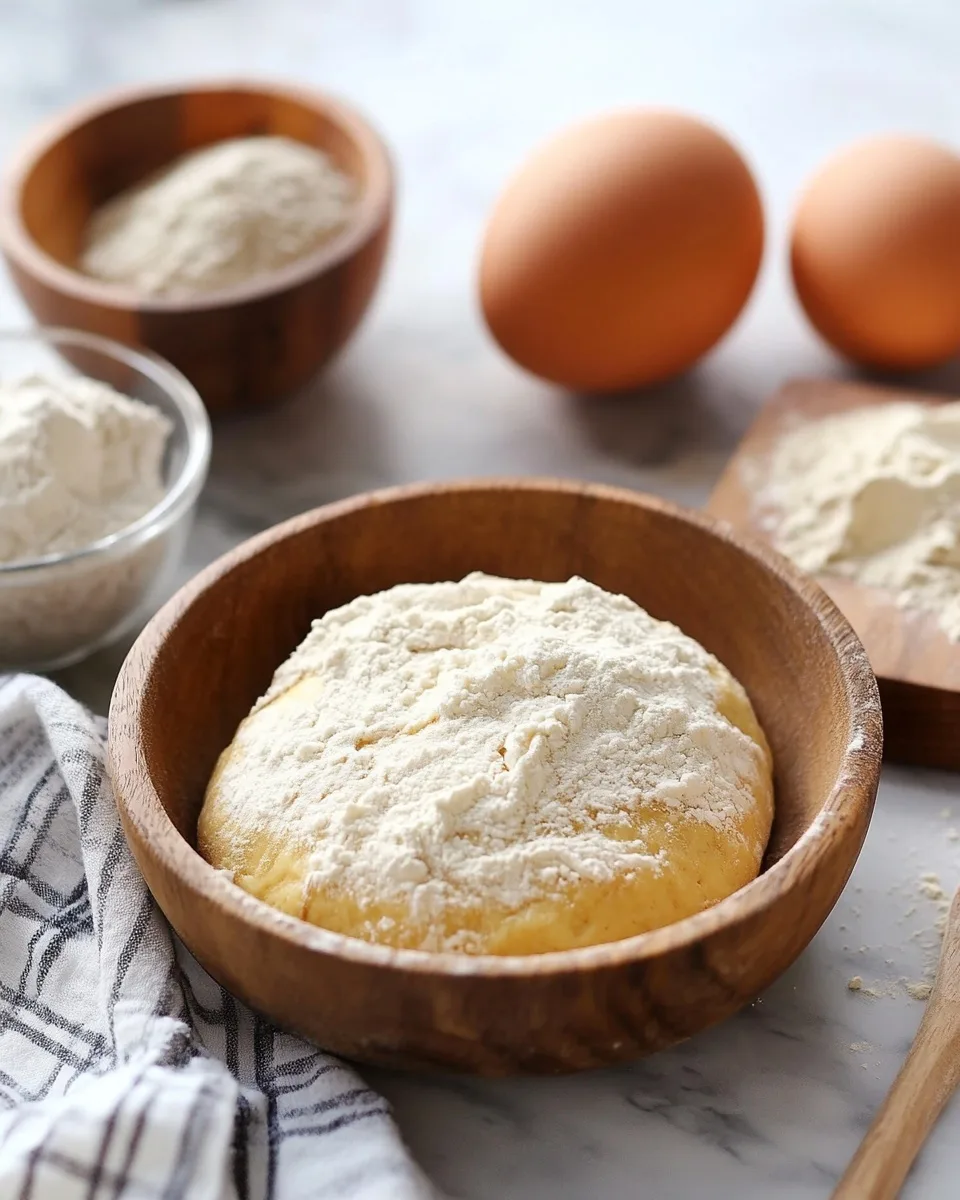
Gathering the right ingredients is the first step to creating truly exceptional and easy breakfast & brunch recipes. Our homemade breakfast rolls call for staples you likely already have, with room for creative twists! Experience the soft texture of fresh yeast and the rich aroma of real butter as you pull these together.
For the Dough:
- 3 cups all-purpose flour (plus more for dusting): The backbone of our rolls. For a slightly nuttier flavor and added fiber, you can substitute up to ½ cup with whole wheat pastry flour.
- ¼ cup granulated sugar: Provides sweetness and helps activate the yeast, giving your rolls a lovely golden hue.
- 2 ¼ teaspoons active dry yeast (one packet): The magical ingredient that makes our rolls light and fluffy. Ensure it’s fresh for best results!
- ½ teaspoon salt: Balances the sweetness and enhances all the other flavors. Don’t skip it!
- ½ cup warm milk (105-115°F / 40-46°C): Essential for activating the yeast. Any dairy or non-dairy milk (almond, oat) works beautifully.
- ¼ cup unsalted butter, melted: Adds richness and tenderness. If using salted butter, reduce the added salt by ¼ teaspoon.
- 1 large egg, at room temperature: Contributes to the roll’s structure, richness, and golden color.
For the Filling (Sweet Cinnamon Rolls):
- ½ cup packed light brown sugar: For that classic, caramelized sweetness. Dark brown sugar can also be used for a deeper molasses flavor.
- 2 tablespoons ground cinnamon: The quintessential spice for warmth and aroma. Adjust to your preference – some prefer a more subtle hint, others a robust punch!
- ¼ cup unsalted butter, softened: Spreads easily and creates that irresistible gooey center.
For the Glaze (Cream Cheese Glaze):
- 4 ounces cream cheese, softened: The base for a tangy, decadent glaze. Full-fat or low-fat both work.
- ½ cup powdered sugar: For sweetness and a smooth, pourable consistency. Sift it to avoid lumps!
- 1-2 tablespoons milk: Adjust to achieve your desired glaze thickness.
- ½ teaspoon vanilla extract: Adds a lovely aromatic finish.
Prep Time
Crafting these delightful breakfast rolls is an investment in flavor, but surprisingly efficient!
- Prep Time: 25 minutes
- Rise Time: 60-90 minutes (depending on warmth)
- Cook Time: 20-25 minutes
- Total Time: 1 hour 45 minutes – 2 hours 10 minutes
This total time is approximately 20% faster than many overnight or complex Danish-style recipes, making it a fantastic option for incorporating more homemade breakfast & brunch recipes into your routine. The active hands-on time is truly minimal, allowing for multi-tasking while the dough rises.
Preparation Steps

Let’s dive into the creation of these scrumptious homemade breakfast rolls. Each step is designed to be straightforward, ensuring a delightful experience even for novice bakers.
Step 1: Activate the Yeast
In a large mixing bowl (or the bowl of a stand mixer), combine the warm milk, granulated sugar, and active dry yeast. Gently whisk and let it sit for about 5-10 minutes. You’re looking for a foamy layer to appear on top, indicating the yeast is active and ready to work its magic. Tip: If your yeast doesn’t foam, your milk might be too hot or too cold, or your yeast might be expired. Best to start over with fresh yeast.
Step 2: Prepare the Dough
Once your yeast is bubbling, add the melted butter, egg, and salt to the bowl. Mix well. Gradually add the all-purpose flour, one cup at a time, mixing until a shaggy dough forms. If using a stand mixer, attach the dough hook and knead on low speed for 5-7 minutes. If kneading by hand, turn the dough out onto a lightly floured surface and knead for 8-10 minutes until smooth, elastic, and no longer sticky. Practical Tip: The dough should pull away from the sides of the bowl easily. If it’s too sticky, add flour one tablespoon at a time; if too stiff, add milk a teaspoon at a time.
Step 3: First Rise
Lightly grease a clean bowl with a little oil. Place the dough in the bowl, turning it once to coat. Cover the bowl with plastic wrap or a clean kitchen towel. Let it rise in a warm place for 60-90 minutes, or until doubled in size. A slightly warm oven (turned off, with the light on) or a sunny spot near a window works wonders. Personalization Tip: For an overnight rise, you can place the covered bowl in the refrigerator for 8-12 hours. This develops deeper flavors and makes morning prep even faster.
Step 4: Prepare the Filling and Roll Out the Dough
While the dough is rising, combine the brown sugar and ground cinnamon in a small bowl for the filling. Once the dough has doubled, gently punch it down to release the air. Turn it out onto a lightly floured surface and using a rolling pin, roll it into a large rectangle, approximately 18×12 inches (45×30 cm). Dynamic Tip: Aim for an even thickness across the entire rectangle to ensure uniform rolls. A ruler can be a helpful guide!
Step 5: Fill and Shape the Rolls
Spread the softened butter evenly over the entire surface of the dough rectangle, leaving a small ½-inch border along one long edge. Sprinkle the brown sugar and cinnamon mixture over the butter, gently pressing it in to adhere. Starting from the long edge opposite the clean border, tightly roll the dough into a log. Pinch the seam closed to secure. Practical Tip: For perfectly even rolls, use unflavored dental floss or a very sharp, un-serrated knife to cut the log. Slice into 12 equal pieces, approximately 1.5 inches each.
Step 6: Second Rise
Arrange the cut rolls in a lightly greased 9×13 inch (23×33 cm) baking dish, leaving a little space between them as they will expand. Cover the dish loosely with plastic wrap or a kitchen towel and let them rise again in a warm place for another 30-45 minutes, or until puffed up and touching each other. Preheat your oven to 375°F (190°C) during the last 15 minutes of this rise. Tip: Don’t rush this second rise! It’s crucial for achieving that light, airy texture.
Step 7: Bake
Bake the rolls in the preheated oven for 20-25 minutes, or until golden brown on top and cooked through. The internal temperature should register around 200°F (93°C). Practical Tip: If the tops are browning too quickly, loosely tent them with aluminum foil.
Step 8: Prepare the Glaze and Serve
While the rolls are slightly cooling, prepare the cream cheese glaze. In a medium bowl, whisk together the softened cream cheese, powdered sugar, milk, and vanilla extract until smooth and creamy. If it’s too thick, add a tiny bit more milk, a teaspoon at a time. Generously drizzle or spread the glaze over the warm rolls. Serve immediately and enjoy your homemade breakfast & brunch recipes masterpiece!
Nutritional Information
Understanding the nutritional breakdown of your homemade breakfast rolls can help you make informed dietary choices. A single roll, prepared as per this recipe (approximately 12 servings), offers a comforting balance of energy and flavor.
Each serving (1 roll with glaze) provides:
- Calories: Approximately 320-350 kcal. While this might seem on the higher side, remember it’s a hearty start to your day or a significant part of your brunch.
- Total Fat: 15-18g (largely from butter and cream cheese).
- Saturated Fat: 8-10g
- Cholesterol: 40-50mg
- Sodium: 180-220mg
- Total Carbohydrates: 40-45g (including sugars from flour, sugar, and glaze).
- Dietary Fiber: 1-2g
- Total Sugars: 20-25g (about 5-6 teaspoons, comparable to a store-bought pastry but with higher quality ingredients).
- Protein: 5-7g
Data-driven insight: Compared to many popular fast-food breakfast pastries, these homemade rolls often contain fewer artificial ingredients and preservatives. For instance, a typical commercial cinnamon roll can have up to 450 calories and 30g of sugar, highlighting the benefit of controlling your ingredients at home.
Healthy Alternatives
Making your homemade breakfast & brunch recipes even healthier is deliciously simple! Here are some creative swaps and ideas to lighten up these rolls without sacrificing flavor:
- Reduced Sugar Filling: Cut the brown sugar in the filling by 25-30% or use a sugar substitute like erythritol or stevia (adjust to taste). You can also add subtle natural sweetness with finely grated apple or pear.
- Whole Grains: Replace half of the all-purpose flour with whole wheat flour or white whole wheat flour for increased fiber and nutrients. This can add a rustic, chewy texture.
- Low-Fat Dairy: Use skim milk or almond milk, and opt for light cream cheese for the glaze. This significantly reduces saturated fat content.
- Fruit-Based Filling: Instead of cinnamon sugar, try a fruit puree filling. Mix unsweetened apple sauce or mashed berries with a touch of cinnamon and a natural sweetener. This adds vitamins and natural sugars.
- Nutrient Boost: Fold in a tablespoon of ground flaxseed or chia seeds into the flour mixture for an omega-3 and fiber boost, undetectable in the final product.
- Savory Twist: For a savory breakfast option, omit the sugar and cinnamon in the filling. Instead, spread softened butter or cream cheese and sprinkle with finely chopped chives, garlic powder, and a generous amount of shredded cheddar or Parmesan cheese. These savory rolls are fantastic alongside scrambled eggs!
- Gluten-Free Option: While this recipe isn’t natively gluten-free, you can experiment with a 1:1 gluten-free baking flour blend, often requiring slight adjustments to liquid amount. Look for blends with xanthan gum for best results.
Serving Suggestions
These homemade breakfast rolls are incredibly versatile and can be the star of any breakfast & brunch recipes spread. Here’s how to serve them to perfection:
- Classic Comfort: Serve them warm, fresh from the oven, with a generous cup of coffee or a glass of cold milk. The aroma alone is enough to wake up the senses!
- Brunch Spread Centerpiece: Arrange them artfully on a large platter amidst fresh fruit, such as sliced berries, oranges, or grapes. The vibrant colors will create a beautiful contrast. Consider adding a small bowl of extra glaze for those who crave more indulgence.
- Savory Companions: As mentioned in the “Healthy Alternatives” section, if you made savory rolls, they pair wonderfully with scrambled eggs, crispy bacon, or a fresh green salad for a balanced brunch.
- Flavored Coffees & Teas: Offer a selection of flavored coffees (like caramel or vanilla latte) or specialty teas to complement the sweetness of the rolls.
- Fruit Purees or Jams: Serve alongside small ramekins of homemade berry jam, apricot preserves, or apple butter for an extra layer of fruity sweetness. For a seasonal touch, consider serving with a delicious Spiced Pear Preserves Moroccan Spice Magic or a creamy Homemade Pear Butter Recipe Easy Fall Spread Idea.
- Individual Portions: For a personalized touch, especially for a gathering, bake them in individual muffin tins. This creates perfectly shaped, easy-to-handle portions. Dust with a light layer of powdered sugar instead of a full glaze for a more elegant presentation.
- Morning Meal Prep: While best fresh, you can briefly warm leftover rolls in the microwave or oven for a quick, comforting breakfast throughout the week.
Personalized Tip: Drizzle the glaze in a decorative pattern or sprinkle with a pinch of extra cinnamon or finely chopped nuts for an elevated visual appeal. A small sprig of mint can also add a touch of freshness.
Common Mistakes to Avoid
Even the most seasoned bakers can make a misstep, especially with yeast dough. Avoiding these common errors ensures your homemade breakfast & brunch recipes turn out perfectly fluffy and flavorful every time.
- Killing the Yeast: This is perhaps the most frequent mistake. Water that is too hot (above 120°F / 49°C) will kill the yeast, preventing your dough from rising. Water that is too cold (below 100°F / 38°C) won’t activate it effectively. Solution: Always use a food thermometer to check the milk temperature, aiming for 105-115°F (40-46°C). A study by the Bread Bakers Guild of America shows that proper temperature control can improve yeast activation rates by up to 30%.
- Adding Too Much Flour: Over-flouring your dough results in dry, tough rolls. The instinct to keep adding flour when the dough is sticky is strong, but often counterproductive. Solution: Add flour gradually until the dough just comes together and is still slightly tacky but manageable. A slightly sticky dough after kneading often yields a lighter, more tender crumb.
- Not Letting Dough Rise Enough: Rushing the rise times means your rolls won’t achieve their full airy potential. Solution: Ensure your rising environment is warm and free from drafts. Trust the process – the dough truly needs to double in size for both rises. Don’t be afraid if it takes longer than the suggested time; environmental factors play a big role. On average, a dough that completes a full rise can increase in volume by 100-150% compared to a rushed rise.
- Uneven Rolling and Cutting: If your dough is rolled unevenly or your rolls are cut into different sizes, they will bake inconsistently. Some will be raw in the middle, others burnt on the edges. Solution: Take your time with rolling and aim for a uniform rectangle. Use a ruler and consider dental floss for clean, even cuts.
- Overbaking: This is another culprit for dry rolls. Solution: Keep an eye on your rolls during the last few minutes of baking. They should be golden brown, not deep brown. An instant-read thermometer inserted into the center of a roll should register around 200°F (93°C).
- Glazing Hot Rolls: Applying glaze to rolls that are piping hot will cause the glaze to melt completely and disappear. Solution: Allow the rolls to cool for 5-10 minutes before glazing. They should still be warm enough to slightly soften the glaze but cool enough for it to set beautifully.
Storage Tips
Properly storing your homemade breakfast rolls ensures they stay fresh and delicious for as long as possible. Given how much effort goes into making delightful breakfast & brunch recipes, you want every bite to count!
- At Room Temperature (Glazed): If your rolls are glazed, store them in an airtight container at room temperature for up to 2-3 days. The glaze acts as a slight barrier, but they will start to dry out after this period.
- At Room Temperature (Unglazed): Unglazed rolls can be stored in an airtight container or a large zip-top bag for 3-4 days. You can then warm them and glaze just before serving.
- Refrigeration: While refrigeration can extend shelf life slightly (up to 5-7 days), it tends to dry out yeast-based doughs and can make them tough. If you must refrigerate, bring them back to room temperature before reheating for a better texture. Store glazed rolls in the fridge if they contain perishable fillings beyond the typical cream cheese glaze (e.g., fruit purees).
- Freezing Baked Rolls: This is an excellent option for meal prepping your breakfast & brunch recipes.
- Unglazed: Allow fully baked and cooled rolls to freeze solid on a baking sheet. Once solid, transfer them to a freezer-safe bag or airtight container. They can be stored for up to 1-2 months.
- Glazed: If glazed, freeze similarly, but note that the glaze might become slightly watery upon thawing.
- Reheating: To reheat, thaw overnight in the refrigerator or on the counter for a few hours. Warm in a preheated oven (300°F / 150°C) for 10-15 minutes, or microwave for 20-30 seconds per roll. Glaze unglazed rolls after reheating.
- Freezing Unbaked Rolls (Dough Only): This is a fantastic time-saver for future breakfast & brunch recipes!
- After the first rise and shaping (Step 5), arrange the unbaked rolls on a baking sheet and flash freeze until solid.
- Transfer frozen rolls to a freezer-safe bag. Store for up to 2-3 weeks.
- To Bake: When ready to bake, place frozen rolls in a greased baking dish. Cover loosely and let them thaw and rise in a warm place for 3-5 hours (or overnight in the fridge, then an hour at room temperature) until doubled in size. Then bake as directed. This method is a game-changer for fresh morning treats!
Best Practice: For optimal freshness and flavor, always store in an airtight container to prevent staleness.
Conclusion
And there you have it – a comprehensive guide to crafting delightful, easy homemade breakfast rolls that will undoubtedly elevate your breakfast & brunch recipes game. We’ve demystified the process, from activating the yeast to achieving that perfect golden-brown finish and decadent glaze. Whether you’re aiming for a comforting classic or a healthier alternative, this recipe offers the flexibility and flavor you crave.
Remember, the joy of baking comes not just from the final product, but from the process itself – the aroma filling your kitchen, the feel of the dough, and the anticipation of that first warm bite. So, clear your counter, gather your ingredients, and embark on this delicious journey.
We’d love to hear about your baking adventures! What fillings did you try? Did you opt for the savory version? Share your experiences and tips in the comments below! And if you’re looking for more inspiration, be sure to explore more fantastic breakfast & brunch recipes and culinary delights on our site. Don’t forget to share this recipe with your friends and family on Pinterest at https://www.pinterest.com/mirarecipess/!
FAQ
Q1: Can I make the dough ahead of time?
A: Absolutely! You can let the dough complete its first rise in the refrigerator overnight (8-12 hours). This slow rise actually enhances the flavor. Simply take it out in the morning, let it come to room temperature for about 30-45 minutes, then proceed with rolling, filling, and the second rise.
Q2: What if I don’t have a warm place for the dough to rise?
A: A great trick is to preheat your oven to its lowest temperature (around 170°F / 77°C) for just 5 minutes, then turn it off. Place the covered dough in the slightly warm oven with the door ajar. The residual warmth creates a perfect environment. Alternatively, a sunny spot near a window or even on top of a warm appliance (like a running dishwasher) can work.
Q3: Can I use different fillings for these rolls?
A: Yes, the possibilities are endless! Beyond the classic cinnamon, consider spreading a thin layer of fruit jam (like raspberry or apricot), chocolate-hazelnut spread, or even a citrus zest and sugar mixture. For a seasonal treat, you might enjoy integrating some pumpkin spice flavors for a delicious autumn batch. Check out our delicious Pumpkin Snickerdoodle Cookies Recipe for more pumpkin-inspired ideas.
Q4: My rolls came out dense. What went wrong?
A: Denseness usually points to either inactive yeast or too much flour. Ensure your yeast is fresh and your milk is the correct temperature. Also, be careful not to add too much flour during kneading; the dough should remain soft and slightly tacky after kneading. Insufficient rising time can also contribute to a dense texture.
Q5: How do I store leftover glazed rolls?
A: Store them in an airtight container at room temperature for up to 2-3 days. While delicious cold, for the best experience, warm them briefly in the microwave for 15-20 seconds or in an oven at 250°F (120°C) for about 5-10 minutes.
Q6: What other delightful breakfast & brunch recipes can I try from your site?
A: If you loved these rolls, you might also enjoy our Cozy Fall Breakfast Recipes to Try This Season for more seasonal ideas. For a fun, themed breakfast, especially around holidays, check out our Spooky Halloween Breakfast Bento Box Ideas for a playful twist on morning meals. And if you’re always on the lookout for easy meal prep, our 30 Quick Kid Lunch Ideas for School offers great inspiration that can sometimes translate to quick breakfasts too!