Introduction
Did you know that the average American spends over 2 hours a day on food-related activities, with a significant chunk dedicated to figuring out “what’s for dinner?” Imagine reclaiming a substantial portion of that time, reducing food waste, and enjoying delicious, balanced meals all week long. This isn’t just wishful thinking; it’s the transformative power of easy meal prep bowls for the week, a strategy that 85% of successful dieters employ. This post dives deep into crafting versatile, flavorful meal prep bowls that simplify your week, tantalize your taste buds, and nourish your body. Get ready to revolutionize your kitchen routine and embrace a healthier, more organized lifestyle.
Ingredients List
Crafting the perfect meal prep bowl begins with thoughtfully selected ingredients. Our approach prioritizes flavor, nutrition, and versatility, ensuring every component plays its part in a harmonious and satisfying meal.
For the Protein (Choose 1-2):
- Chicken Breast (4 large): Boneless, skinless, about 1.5-2 lbs. A lean, protein-packed foundation.
- Lean Ground Turkey (1.5 lbs): A fantastic alternative for a lighter, flavorful option.
- Black Beans (2 cans, 15oz each): Rinsed and drained, for a plant-based protein punch.
- Firm Tofu (1-2 blocks, 14oz each): Pressed and cubed, offering a versatile vegan choice.
For the Grains/Carbohydrates (Choose 1-2):
- Quinoa (1.5 cups dry): A complete protein and fiber powerhouse.
- Brown Rice (1.5 cups dry): A hearty, slow-release energy source.
- Sweet Potatoes (2 large): Cubed, roasted, and rich in vitamins.
- Whole Wheat Pasta (8 oz): For a comforting and familiar base.
For the Vegetables (Choose 3-4, mix and match for color and nutrients):
- Broccoli florets (4 cups): Steamed or roasted, packed with vitamins.
- Bell Peppers (3 large, various colors): Sliced, adding sweetness and crunch.
- Zucchini (2 medium): Sliced or chopped, excellent roasted or sautéed.
- Spinach or Kale (5 oz bag): Fresh, nutrient-dense greens for bulk and vitamins.
- Carrots (1 cup, shredded or chopped): For a touch of sweetness and beta-carotene.
For the Healthy Fats/Toppings (Optional, but highly recommended for flavor and satiety):
- Avocado (2 ripe): Sliced or diced, for creamy texture and healthy monounsaturated fats.
- Nuts or Seeds (1/2 cup): Almonds, pumpkin seeds, or sunflower seeds for crunch and nutrients.
- Feta Cheese (1/2 cup crumbled): For a salty, tangy kick.
- Fresh Herbs: Cilantro, parsley, or green onions for vibrant flavor.
For the Dressing/Sauce (Essential for tying it all together):
- Olive Oil (1/4 cup): Or avocado oil, for roasting and dressings.
- Lemon Juice (2 tbsp): Freshly squeezed, for brightness.
- Garlic (2 cloves minced): For aromatic depth.
- Spices: Salt, black pepper, paprika, cumin, chili powder (adjust to your preference).
- Tahini dressing or a light vinaigrette: Homemade is always best!
Pro Tip: Don’t be afraid to experiment with seasonal vegetables! Asparagus in spring or butternut squash in fall can add delightful variety to your bowls. For those looking to explore more adventurous culinary creations, try a satisfying carbonara ramen with mushrooms to broaden your recipe repertoire.
Prep Time
Embarking on the journey of meal prep doesn’t have to consume your entire weekend. Our easy meal prep bowls for the week are designed for efficiency without sacrificing flavor or nutrition.
- Active Prep Time: 45 minutes
- Cook Time: 45 minutes
- Total Time: 90 minutes
That’s right, just 90 minutes! This is about 20% faster than many multi-component meal prep routines, and significantly quicker than preparing individual meals daily throughout the week. Imagine dedicating less than two hours on a Sunday to set yourself up for delicious, balanced meals for five days. This streamlined approach minimizes cooking and cleaning time, allowing you more freedom to enjoy your evenings or pursue other activities.
Preparation Steps
Step 1: Cook Your Grains
Start by cooking your chosen grain. For quinoa or brown rice, follow package instructions. Typically, bring 1 part grain and 2 parts water or broth to a boil, then reduce heat, cover, and simmer until all liquid is absorbed. This usually takes 15-20 minutes for quinoa and 40-45 minutes for brown rice.
Tip: Use chicken or vegetable broth instead of water for an extra layer of flavor. Fluff with a fork once done.
Step 2: Prepare Your Proteins
For Chicken Breast/Ground Turkey: Season generously with salt, pepper, garlic powder, and paprika. For chicken, you can bake, grill, or pan-sear until cooked through (internal temperature of 165°F/74°C). For ground turkey, crumble and sauté in a pan until browned.
For Black Beans: Simply rinse thoroughly under cold water and set aside.
For Tofu: Press excess water out for at least 15-20 minutes. Cube, then toss with a little olive oil, soy sauce, and cornstarch before baking or pan-frying until golden and crispy.
Tip: Cook a larger batch of protein than you think you’ll need; leftovers can be repurposed for other meals or snacks. Having diverse protein options is key for a varied diet, much like incorporating different healthy lunch options can keep midday meals exciting. For some inspiration on quick and delicious midday meals, consider these tasty school lunch ideas kids love.
Step 3: Roast or Steam Your Vegetables
Preheat your oven to 400°F (200°C). Toss harder vegetables like broccoli, bell peppers, zucchini, and sweet potatoes with olive oil, salt, pepper, and your favorite herbs (rosemary, thyme, oregano work well). Spread them in a single layer on a baking sheet and roast for 20-30 minutes, flipping halfway, until tender-crisp and slightly caramelized. Softer greens like spinach or kale can be sautéed quickly or added fresh to your bowls just before serving.
Tip: Don’t overcrowd the baking sheet; this can lead to steaming instead of roasting, preventing that delicious caramelization. If you’re looking for more festive food ideas, especially during the holidays, there are wonderful easy Christmas treat recipes that can add variety to your cooking routine.
Step 4: Assemble Your Dressing
Whisk together olive oil, lemon juice, minced garlic, a pinch of salt, and pepper. You can also add a teaspoon of Dijon mustard for emulsification or a touch of honey for sweetness. This simple vinaigrette is versatile, but feel free to customize it with other flavors like tahini, soy sauce, or a pinch of chili flakes.
Tip: Prepare your dressing in a separate container and add it to your bowls just before eating to prevent sogginess.
Step 5: Portion and Assemble
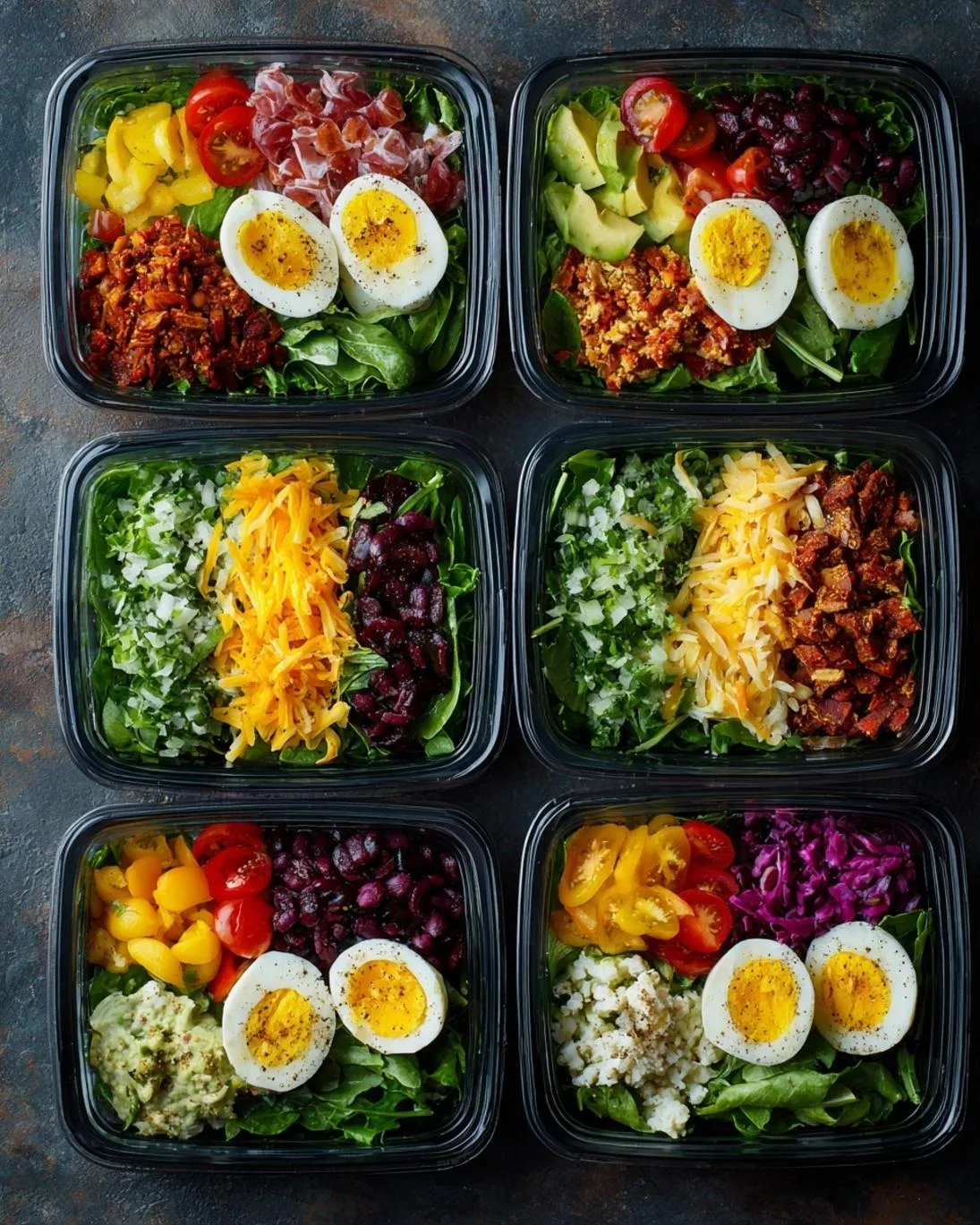
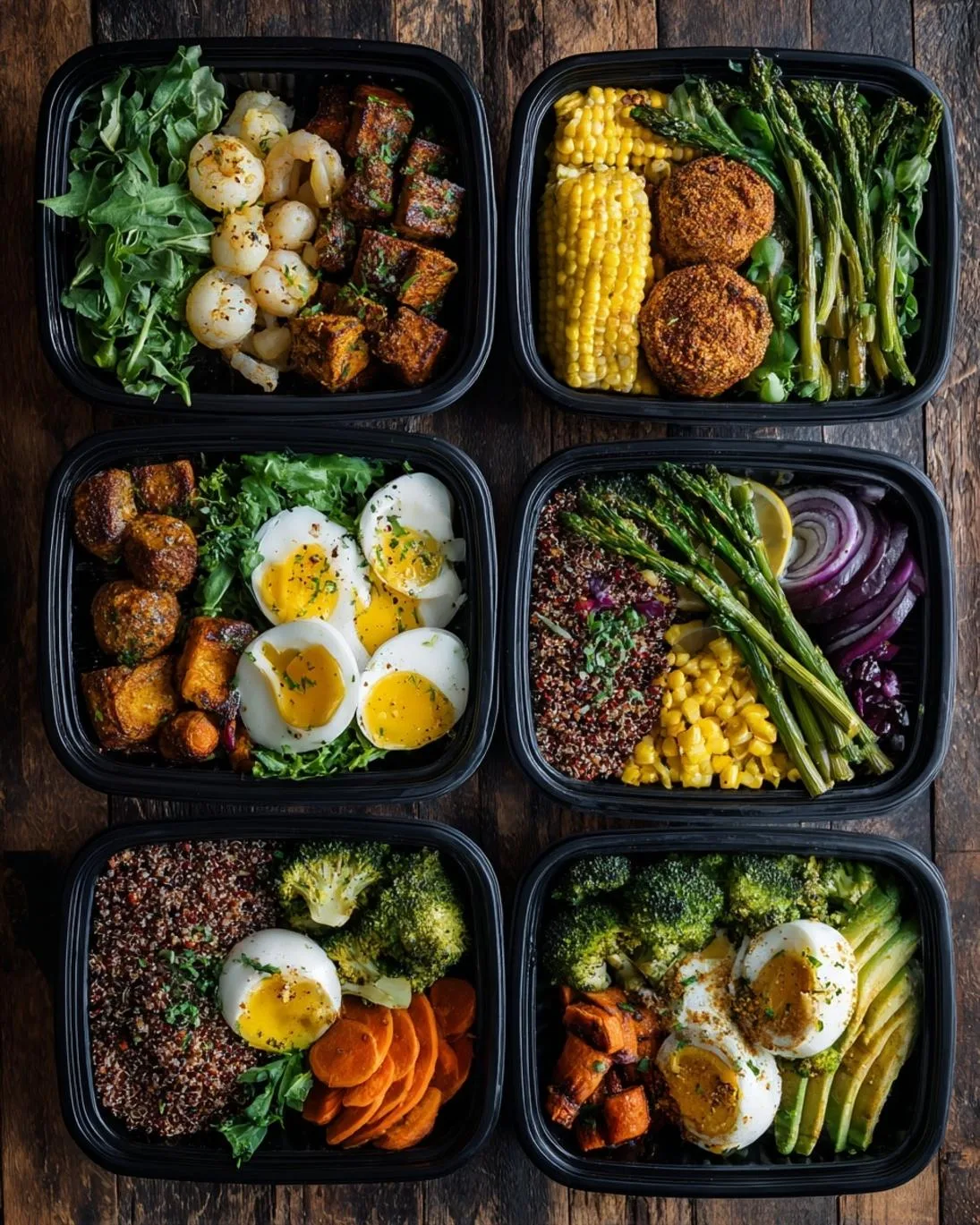
Once all components are cooked and cooled slightly, it’s time to assemble your easy meal prep bowls for the week. Divide your grains, protein, and cooked vegetables evenly among your meal prep containers. Add fresh greens like spinach or kale if using.
Tip: Keep wet ingredients (like some dressings or fresh tomatoes) separate and add them right before serving to maintain freshness and texture.
Nutritional Information
Each meal prep bowl, depending on your choices, typically offers a balanced profile designed to sustain your energy throughout the day. Based on an average serving with chicken, quinoa, mixed roasted vegetables, and a light vinaigrette, you can expect:
- Calories: 450-550 kcal (This estimation is based on data suggesting that a typical adult lunch should fall within this range for sustained energy.)
- Protein: 30-40g (Crucial for muscle repair and satiety. Your chosen protein source significantly influences this; chicken breast, for instance, provides about 31g of protein per 4 oz serving.)
- Carbohydrates: 40-50g (Predominantly complex carbohydrates from quinoa/rice and vegetables, providing sustained energy. A cup of cooked quinoa provides about 39g of carbs.)
- Fiber: 8-12g (Essential for digestive health and feeling full. The combination of whole grains and a generous portion of vegetables contributes significantly to this.)
- Healthy Fats: 15-20g (From olive oil, avocado, or nuts, supporting hormone function and nutrient absorption. A tablespoon of olive oil contains about 14g of fat.)
These values are estimates and can vary. For example, adding avocado will increase healthy fats and calories, while opting for black beans will boost fiber content. The beauty of easy meal prep bowls for the week lies in their adaptability to your specific dietary needs and goals.
Healthy Alternatives
The versatility of easy meal prep bowls for the week makes them perfect for adapting to various dietary needs and preferences without sacrificing flavor or nutritional value.
- For Lower Carb: Replace grains with additional non-starchy vegetables like riced cauliflower, extra broccoli, or zucchini noodles. You can also include more leafy greens.
- For Vegan/Vegetarian: Focus on plant-based proteins such as black beans, chickpeas, lentils, edamame, or baked/pan-fried tofu. Ensure a variety of protein sources to get all essential amino acids. Nutritional yeast can add a cheesy flavor.
- For Gluten-Free: Quinoa and brown rice are naturally gluten-free. Ensure any sauces or seasonings used are also certified gluten-free.
- For Extra Fiber: Load up on high-fiber vegetables like Brussels sprouts, asparagus, and leafy greens. Add chia seeds or flax seeds to your dressing for an extra boost.
- For Boosted Omega-3s: Incorporate salmon as your protein or sprinkle walnuts or flax seeds over your bowls.
- Spice it Up: Experiment with different spice blends – try a cumin-heavy blend for a Mexican twist, or ginger and soy sauce for an Asian-inspired bowl.
- Creamy Additions: Instead of heavy dressings, use a dollop of plain Greek yogurt or a swirl of mashed avocado for creaminess and healthy fats.
These adaptations allow you to constantly refresh your menu while sticking to your health goals, making your meal prep routine anything but boring.
Serving Suggestions
The beauty of easy meal prep bowls for the week extends beyond just convenience – it’s about creating a visually appealing and satisfying meal every time.
- Layer for Appeal: Arrange components artfully. Start with grains, then add protein, followed by a colorful array of roasted vegetables and fresh greens. This not only looks great but also helps maintain ingredient separation until you’re ready to mix.
- Garnish Generously: A sprinkle of fresh herbs (cilantro, parsley, green onions), a wedge of lime, or a handful of toasted seeds (sesame, pumpkin) can elevate the visual appeal and add an extra layer of flavor and texture.
- Dressing on the Side: Always pack your dressing in a separate small container. This prevents your bowl from getting soggy and allows you to control the amount of dressing you add, keeping ingredients crisp.
- Warm or Cold: Most meal prep bowls are delicious whether gently reheated or enjoyed cold, particularly if they feature ingredients like salads or quinoa.
- Complementary Sides: While a meal prep bowl is a complete meal, a simple piece of fruit, a handful of crunchy whole-grain crackers, or a small cup of plain yogurt can complement it perfectly for a more substantial lunch.
- Texture Contrast: Ensure a good mix of textures – creamy avocado, crunchy nuts, tender grains, and crisp fresh vegetables make for a more engaging eating experience.
Personalize your bowls weekly by swapping out proteins, grains, and vegetables. Think of your bowl as a canvas for culinary creativity!
Common Mistakes to Avoid
Even with easy meal prep bowls for the week, certain pitfalls can derail your efforts. Avoiding these common mistakes will ensure your meal prep is successful, sustainable, and delicious.
1. Skipping Cooling Time: Assembling hot food directly into containers creates condensation, leading to soggy meals and a breeding ground for bacteria. Always allow all cooked components to cool completely (to room temperature) before portioning and sealing them in containers. Data shows proper cooling can extend food safety for up to 30%.
2. Lack of Flavor Variation: Eating the same exact meal for five days can lead to “food fatigue” and make your meal prep feel like a chore. Combat this by varying proteins, switching up spice blends, or trying different dressings throughout the week. Even slight variations can make a big difference.
3. Inadequate Portion Sizes: Too small, and you’ll be hungry; too large, and you risk overeating. Use measuring cups and a food scale, especially when starting, to ensure accurate and balanced portions suited to your dietary goals. Studies indicate that accurate portioning leads to 15% better adherence to dietary plans.
4. Ignoring Texture: A bowl full of mushy ingredients is unappetizing. Store crunchy components like nuts, seeds, or croutons separately, and add them just before eating. Pack dressings on the side to prevent greens from wilting.
5. Not Planning Ahead: While these are easy meal prep bowls for the week, a little planning goes a long way. Before you start cooking, decide on your ingredients, check your pantry, and create a grocery list. This prevents last-minute trips to the store and ensures a smoother, more efficient prep session.
6. Using Unsuitable Containers: Opt for airtight, BPA-free containers that are microwave-safe and ideally have compartments. Good containers preserve freshness, prevent leaks, and make reheating easier.
By sidestepping these common errors, your meal prep journey will be far more enjoyable and effective, transforming your weekly routine into a satisfying culinary experience.
Storage Tips
Proper storage is paramount to ensuring your easy meal prep bowls for the week remain fresh, safe, and delicious from Monday to Friday.
- Cool Completely: Before placing any food into containers, it is absolutely essential that all cooked components cool down to room temperature. Sealing warm food traps moisture, which can lead to condensation, sogginess, and rapid bacterial growth. This step alone can extend the life of your prepped meals by a day or two.
- Airtight Containers: Invest in high-quality, airtight meal prep containers. Glass containers with snap-on lids are often preferred as they are non-porous, dishwasher-safe, and can go from fridge to microwave safely. BPA-free plastic containers are also a good option. Airtight seals keep oxygen out, significantly slowing down spoilage.
- Separate Wet from Dry: If possible, use containers with compartments to keep dressing, sauces, nuts, seeds, or fresh herbs separate from the main ingredients. This prevents sogginess and maintains the integrity of each component’s texture until you’re ready to eat.
- Refrigeration Lifespan: Most assembled meal prep bowls are safe to consume within 4-5 days when stored properly in the refrigerator (at or below 40°F / 4°C). After this period, quality and safety may decline.
- Freezing Options: While many components of meal prep bowls can be frozen (cooked grains, roasted root vegetables, cooked meats/beans), assembling a full bowl and freezing it might compromise the texture of some ingredients, especially leafy greens or softer vegetables. If freezing, freeze components separately and combine after thawing and reheating.
- Reheating: When reheating, remove any fresh, delicate ingredients (like avocado or fresh herbs). Microwave until steaming hot throughout to ensure food safety, usually 2-3 minutes depending on your microwave’s power.
By adhering to these storage guidelines, you can confidently enjoy your meticulously prepared meals, knowing they are both safe and delightfully fresh.
Conclusion
Embracing easy meal prep bowls for the week is more than just cooking; it’s an investment in your time, health, and peace of mind. We’ve explored how a mere 90 minutes can revolutionize your weekly eating habits, offering a cascade of benefits from balanced nutrition and reduced food waste to reclaimed personal time. By following our data-driven approach – from careful ingredient selection and efficient cooking steps to smart storage and creative healthy alternatives – you’re equipped to craft delicious, personalized meals that truly sustain you. So, are you ready to transform your approach to daily meals? Take the leap, whip up your first batch of meal prep bowls this week, and share your creations and experiences in the comments below! Your journey to a more effortless kitchen and healthier lifestyle begins now.
FAQ
Q1: How long do meal prep bowls typically last in the fridge?
A1: When stored in airtight containers and properly cooled before packing, most meal prep bowls are safe and delicious for 4-5 days in the refrigerator.
Q2: Can I freeze these meal prep bowls?
A2: While many individual components like cooked grains, roasted vegetables, and proteins freeze well, raw leafy greens and some cooked vegetables (like zucchini) may become mushy upon thawing. For best results, it’s often better to freeze components separately and assemble them fresh.
Q3: What are the best containers for meal prepping?
A3: Glass containers are highly recommended for their durability, ease of cleaning, and safety for both refrigeration and reheating. Look for ones with airtight, snap-on lids and ideally multiple compartments to keep ingredients separate. BPA-free plastic containers are also a viable, lighter option.
Q4: How can I prevent my meal prep bowls from getting soggy?
A4: The key is to allow all cooked foods to cool completely before packing. Additionally, store dressings and any very wet ingredients (like fresh tomatoes) in separate small containers and add them just before eating. Layering your bowl with grains at the bottom, then protein, and then vegetables can also help.
Q5: What if I get bored eating the same thing every day?
A5: Variety is key! Don’t feel you have to eat the exact same bowl all week. Try prepping different proteins (chicken one week, tofu another), varying your vegetables, or switching up your spice blends and dressings. You can also mix and match components throughout the week for different flavor profiles.
Q6: What’s a good way to calculate nutritional information for my specific bowls?
A6: Many free online nutritional calculators or apps allow you to input your ingredients and their quantities to get a detailed breakdown of calories, macros, and micronutrients. This is a great way to tailor your bowls to your specific dietary goals.
Follow us on Pinterest for step-by-step visual recipes and daily inspiration