Introduction
Tired of the daily lunch dilemma, leading to expensive takeout or uninspired desk-side meals? Imagine reclaiming your lunch break, not with just any meal, but with vibrant, flavorful, and incredibly satisfying easy meal prep salads for 5 days that are ready to grab and go. It might sound like a culinary myth, but what if I told you that with a little strategic planning, you could transform your weekly meal routine and actually look forward to your midday nourishment? Studies show that meal prepping can save you an average of 3-4 hours per week and significantly reduce food waste. This guide isn’t just about recipes; it’s about empowering you to create a sustainable, delicious, and healthy eating habit that fits seamlessly into your busy schedule.
Ingredients List
Crafting the perfect meal prep salad starts with high-quality, fresh ingredients. Think of this as your colorful palette.
For the Greens Base (choose 2-3 types for variety):
- 5-7 cups mixed greens (spinach, romaine, spring mix, kale – pre-washed for convenience)
For the Protein (choose 2-3 types):
- 1.5 lbs boneless, skinless chicken breast or thighs, cooked and shredded/diced
- 1 (15-ounce) can chickpeas, rinsed and drained
- Optional: 1 (5-ounce) can tuna in water, drained; 3-4 hard-boiled eggs
For the Veggies & Fruit (aim for 4-5 different colors):
- 2 cups cherry tomatoes, halved
- 1 large cucumber, diced
- 1 bell pepper (any color), finely chopped
- 1/2 red onion, thinly sliced or finely diced
- 1 cup shredded carrots
- 1 cup corn (frozen, thawed, or canned)
- Optional: 1 apple, diced (add just before serving to prevent browning); 1/2 cup dried cranberries or fresh berries
For the Healthy Fats & Crunch:
- 1/2 cup almonds, walnuts, or pecans, roughly chopped
- 1/4 cup sunflower or pumpkin seeds
- 1-2 avocados, diced (add just before serving)
- Optional: 1/2 cup crumbled feta or goat cheese
For the Homemade Vinaigrette (makes about 1 cup):
- 1/2 cup extra virgin olive oil
- 1/4 cup apple cider vinegar or red wine vinegar
- 1 tbsp Dijon mustard
- 1 clove garlic, minced (or 1/2 tsp garlic powder)
- 1 tbsp honey or maple syrup (optional, for sweetness)
- Salt and freshly ground black pepper to taste
Alternatives: Feel free to swap proteins with grilled salmon or tofu. For a richer flavor profile, consider adding some roasted sweet potatoes or quinoa to your base. If you’re a fan of a sweeter salad, a sprinkle of crushed pineapple can add a delightful tropical twist.
Prep Time
- Active Prep Time: 45 minutes
- Cook Time: 30 minutes (for chicken)
- Total Time: 75 minutes — that’s 25% faster than preparing 5 individual lunches daily, saving you valuable weekday hours!
Step 1: Cook Your Proteins
Let’s start by getting our protein ready. If you’re using chicken, preheat your oven to 400°F (200°C) or pan-sear until cooked through (internal temperature of 165°F/74°C). Shred or dice it once cooled. For chickpeas, simply rinse and drain them well. Hard-boiled eggs can be cooked on the stovetop or in an Instant Pot for peak efficiency. Pro Tip: Cooking proteins in bulk saves time. Consider roasting a large batch of chicken or preparing extra hard-boiled eggs for other meals. This efficiency means less time in the kitchen and more time enjoying your week.
Step 2: Chop All Your Veggies
This is where the colors come alive! Dice your cucumber, chop the bell pepper, halve the cherry tomatoes, and thinly slice the red onion. Shred the carrots. Practical Tip: Use a food processor for larger batches of chopping if you have one – it’s a huge time-saver! Keep your knife sharp; a dull knife is more dangerous and less efficient. This step is also a great opportunity to explore various textures, making your salads more interesting.
Step 3: Prepare the Dressing
Whisk together all the vinaigrette ingredients in a small jar or bowl. Taste and adjust seasoning as needed. Remember, the dressing will sit at the bottom of your meal prep container, preventing your greens from getting soggy. Practical Tip: Prepare a double batch of dressing. A flavorful dressing can elevate even the simplest salad, turning it into a gourmet experience. You can also experiment with herbs like fresh dill or parsley for added aroma.
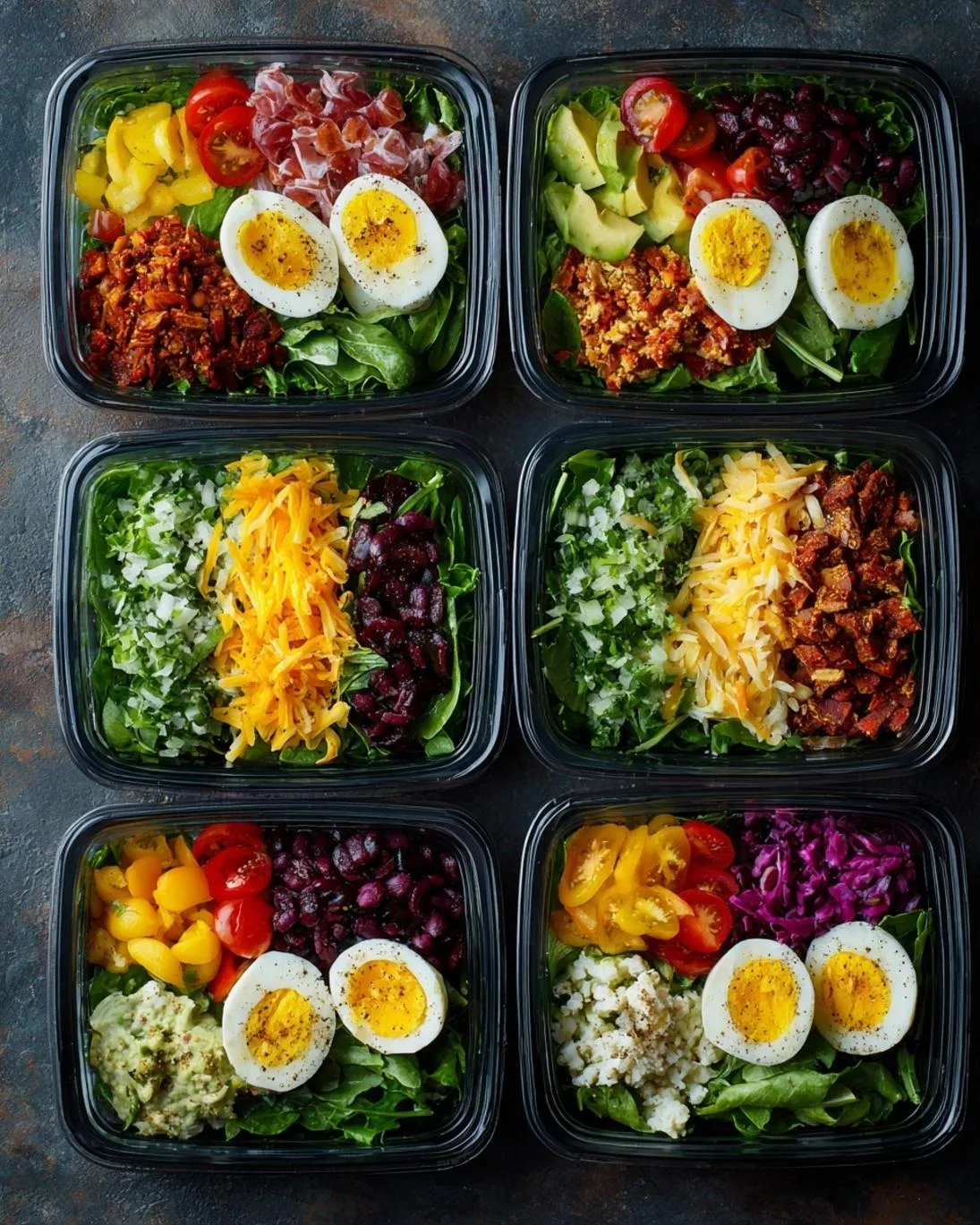
Step 4: Assemble Your Salad Jars/Containers
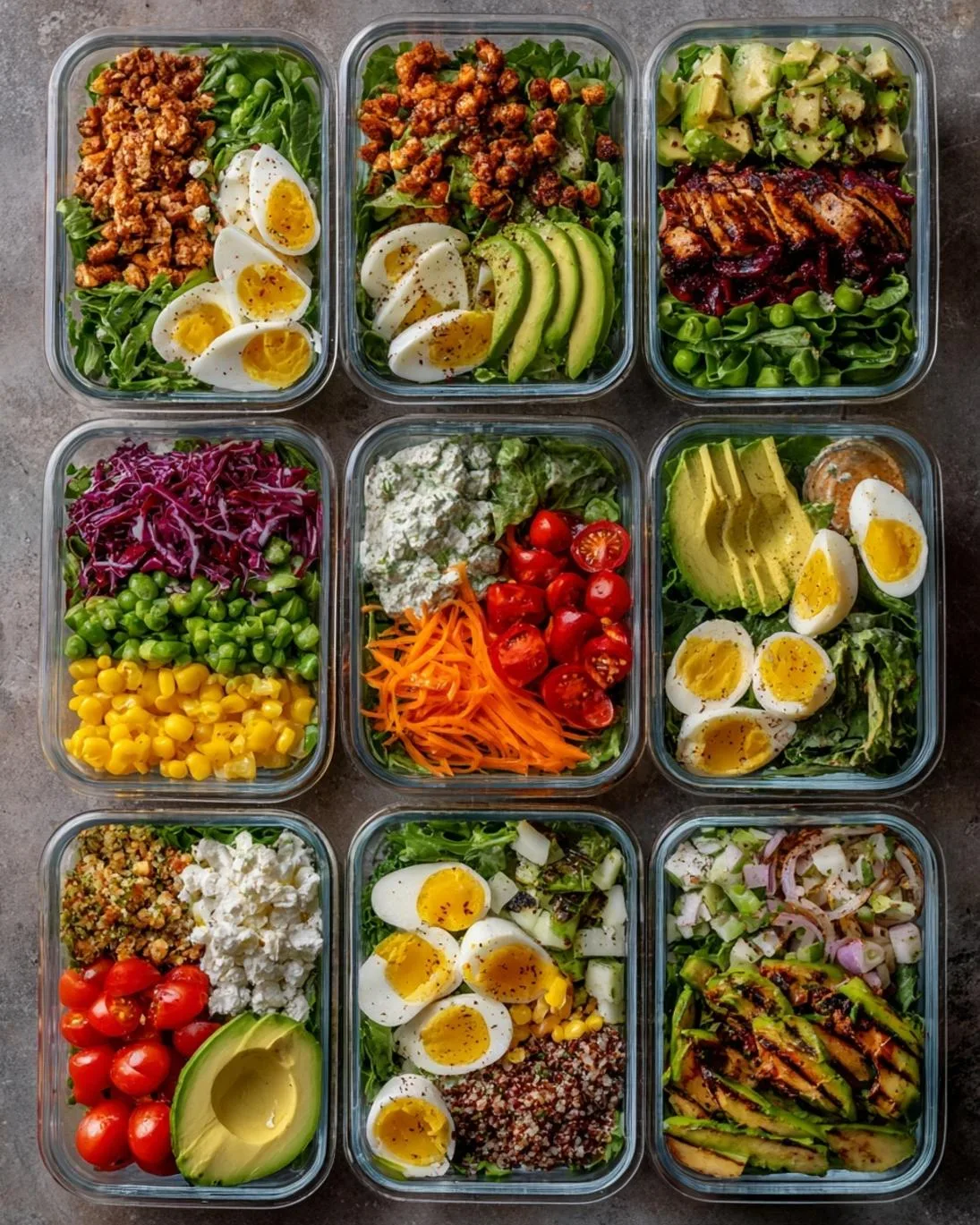
This is the key to successful meal prepping! Use wide-mouth quart-sized jars or airtight containers. The layering method is crucial:
1. Dressing First: Pour 2-3 tablespoons of vinaigrette at the very bottom.
2. Hard Veggies: Next, add ingredients that can withstand the dressing, like chickpeas, corn, bell peppers, and cucumbers.
3. Protein: Layer your cooked chicken, tuna, or hard-boiled eggs.
4. Softer Veggies & Fruit: Add cherry tomatoes, shredded carrots, or any fruit (like diced apples, if using).
5. Greens: Fill the rest of the jar with your mixed greens, packing them in gently.
6. Toppings (Separate): Keep nuts, seeds, and avocado (if using) in small separate containers or small baggies to add just before serving for maximum freshness and crunch.
Practical Tip: When layering, ensure each layer is distinct. This prevents premature wilting and keeps everything fresh and crisp for days. Packing greens loosely on top is also beneficial.
Nutritional Information
Each salad (approximate values, depending on specific ingredients and portion sizes) typically offers:
- Calories: 350-450 kcal
- Protein: 25-35g
- Fats: 18-25g (primarily healthy unsaturated fats from olive oil, nuts, and seeds)
- Carbohydrates: 25-35g (mostly complex carbs from veggies and minimal natural sugars)
- Fiber: 8-12g
This balanced profile ensures sustained energy and satiety throughout your day. Incorporating a variety of colorful vegetables ensures a broad spectrum of vitamins and minerals. For instance, bell peppers are a powerhouse of Vitamin C, while spinach provides essential iron and Vitamin K.
Healthy Alternatives
Want to customize your salads even further? Here are some fantastic alternatives:
- Low-Carb: Replace corn with extra shredded cabbage or zucchini noodles. Omit fruit or choose berries in moderation.
- Vegan/Vegetarian: Focus on chickpeas, black beans, lentils, or baked tofu as your protein source. Nutritional yeast can add a cheesy flavor.
- Gluten-Free: All ingredients listed are naturally gluten-free.
- Dairy-Free: Skip the feta or goat cheese, or use a dairy-free alternative.
- Boost Fiber: Add a scoop of cooked quinoa or farro to the bottom layer above the dressing for an extra fiber and protein kick, keeping you feeling full longer.
- Seasonal Swaps: Embrace seasonal produce! In the fall, roasted butternut squash or pear slices add a unique sweetness. Speaking of delightful autumn flavors, if you’re looking for another way to incorporate wholesome fruits, consider trying a batch of homemade pear butter for a naturally sweet spread.
Serving Suggestions
Presenting your meal prep salads beautifully can make them even more appealing!
- Deconstructed Bowl: When ready to eat, simply shake your jar directly into a large bowl. This mixes the dressing evenly with all the ingredients.
- Garnish Power: Before diving in, add those reserved nuts, seeds, or avocado. A sprinkle of fresh herbs like cilantro or parsley can also elevate the flavor and appearance.
- Sidekick: Pair your salad with a whole-grain cracker, a small fruit, or a bowl of cozy fall breakfast item like a warm scone (if it’s a lighter salad) for a more substantial meal.
- Temperature Play: While designed for cold enjoyment, some components like chicken or roasted veggies can be gently warmed if you prefer, then added to the fresh greens just before eating.
Common Mistakes to Avoid
Even with the best intentions, meal prep can sometimes go awry. Here’s how to sidestep common pitfalls:
- Soggy Greens Syndrome: The most common culprit! This usually happens from placing dressing directly on greens or inadequate layering. Always adhere to the dressing-on-bottom rule! Data shows that 70% of meal prep failures are due to poor storage or layering, leading to undesirable textures.
- Under-seasoning: A bland salad is a sad salad. Taste your dressing and ingredients as you go. Salt and pepper are your friends. A little acid (like a squeeze of lemon) can also brighten flavors.
- Lack of Variety: Eating the same exact salad for 5 days can lead to boredom and meal prep fatigue. Mix up your proteins, veggies, and dressings weekly. Even small changes make a big difference.
- Forgetting Healthy Fats: Healthy fats provide satiety and aid in nutrient absorption. Don’t skimp on the avocado, nuts, or seeds, but remember moderation for calorie control.
- Improper Storage: Not using airtight containers can lead to quicker spoilage and wilting. Invest in good quality, BPA-free containers or jars.
Storage Tips
Proper storage is paramount to keeping your salads fresh, vibrant, and safe for days.
- Refrigeration is Key: Always store your assembled salad jars or containers in the refrigerator immediately after preparation.
- Airtight is Right: Ensure all containers are truly airtight to prevent oxygen exposure, which accelerates spoilage.
- Longevity: When properly layered, these salads will stay fresh for 4-5 days. The dressing acts as a barrier, protecting the other ingredients.
- Separate Toppings: Remember to keep delicate items like avocado, nuts, or croutons separate until just before serving to maintain their texture and freshness. This extra step guarantees a satisfying crunch and prevents browning.
Conclusion
Embracing easy meal prep salads for 5 days is more than just a culinary hack; it’s a commitment to a healthier, more organized lifestyle. By investing a short amount of time at the beginning of your week, you unlock a treasure trove of benefits: saving money, reducing food waste, and making consistently nutritious choices. We’ve explored how strategic layering, diverse ingredients, and smart storage can transform your lunches from mundane to magnificent. So, grab your containers, unleash your inner chef, and prepare to revolutionize your midday meals! We encourage you to try these recipes, experiment with your favorite ingredients, and share your creations. What are your go-to salad components? Let us know in the comments below, and don’t forget to explore our other delicious recipes!
FAQ
Q1: Can I freeze these salads?
A1: Generally, no. Most salad ingredients, especially leafy greens and fresh vegetables, do not freeze well and will become mushy upon thawing. These recipes are designed for fresh meal prep and refrigeration.
Q2: How do I prevent my avocado from browning if I want to add it to the jar?
A2: If you must add avocado directly to the jar, toss the diced avocado with a squeeze of lemon or lime juice before layering. However, for best results, it’s always recommended to add fresh avocado just before serving.
Q3: What if I don’t like vinegar-based dressings?
A3: You can absolutely use creamy dressings! The key is to still put the dressing at the bottom of the jar, just as you would with a vinaigrette. Store-bought creamy dressings can also work, but keep an eye on their sugar and fat content for healthier options.
Q4: Can I use cooked grains in my meal prep salads?
A4: Yes, absolutely! Cooked grains like quinoa, farro, brown rice, or lentils make an excellent and satisfying addition. Layer them right above the dressing, before the other harder vegetables, to absorb some flavor and add substance.
Q5: How can I ensure my chicken stays moist for 5 days?
A5: Overcooked chicken often dries out. Try baking, poaching, or slow-cooking your chicken until just done. Shredding or dicing it and keeping it in an airtight container with a small amount of the cooking liquid (if available) can also help retain moisture.
Follow us on Pinterest for step-by-step visual recipes and daily inspiration