Introduction
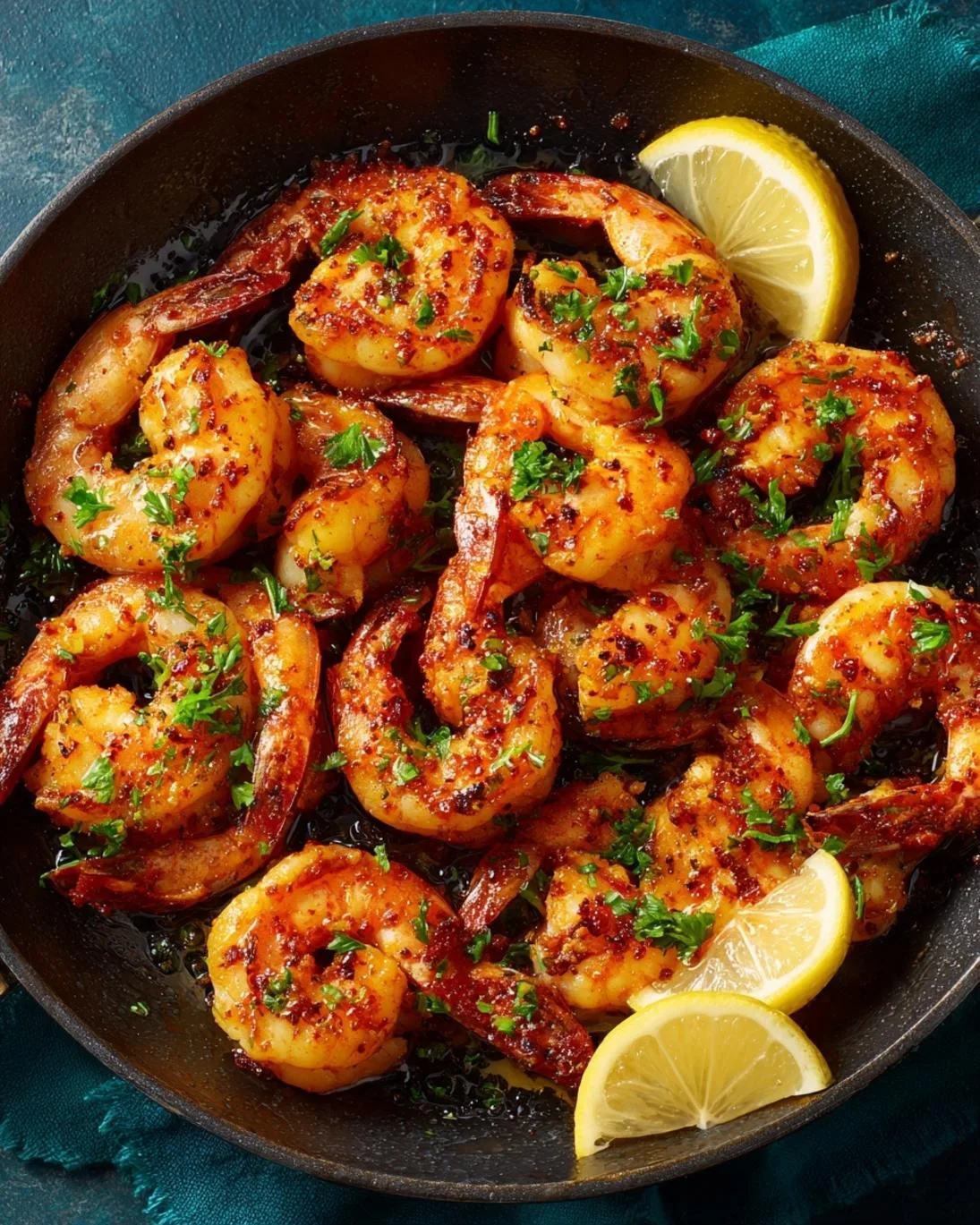
Did you know that despite its delicate appearance, shrimp can be transformed into a gourmet meal in under 30 minutes, often challenging the notion that delicious seafood requires extensive preparation? If you’re searching for easy shrimp dinner recipes that promise both speed and exquisite flavor, you’ve landed in the perfect spot. Many believe that preparing a restaurant-quality shrimp dish at home is a daunting task, reserved for experienced chefs. However, with the right approach and a few clever tricks, you can create a culinary masterpiece that will impress your family and friends without spending hours in the kitchen. This guide will walk you through an incredibly simple yet impressively flavorful shrimp scampi recipe, perfect for weeknights or when you need a quick yet elegant meal. We’ll cover everything from selecting the freshest ingredients to plating your dish like a pro.
Ingredients List
To embark on this culinary journey, you’ll need a handful of fresh, high-quality ingredients that harmonize beautifully to create a symphony of flavors.
Shrimp: 1 ½ pounds large or jumbo shrimp, peeled and deveined, tails on or off according to preference. Pro Tip: Fresh shrimp offers the best flavor and texture, but high-quality frozen shrimp, thawed thoroughly, works wonderfully too. Look for wild-caught options for superior taste.*
Pasta: 12 ounces linguine, fettuccine, or spaghetti. Alternative: For a gluten-free option, use brown rice pasta or zucchini noodles. Or, for a low-carb alternative, consider serving with spiralized vegetables.*
Olive Oil: 3 tablespoons extra virgin olive oil. Sensory note: Its peppery notes and smooth texture are crucial for a rich base.*
Garlic: 5-6 cloves, minced. Alternative: 1 teaspoon garlic powder can be used in a pinch, but fresh garlic provides a much more robust flavor.*
White Wine: ½ cup dry white wine, such as Pinot Grigio or Sauvignon Blanc. Alternative: Chicken or vegetable broth can be substituted for an alcohol-free version, though the wine adds a valuable depth of flavor.*
Lemon: 1 large lemon, zest and juice. Sensory note: The bright acidity of fresh lemon cuts through the richness of the dish, adding a vital zing.*
Red Pepper Flakes: ½ teaspoon, or more to taste. Sensory note: These provide a subtle warmth and gentle heat, elevating the dish without overpowering it.*
Butter: 4 tablespoons unsalted butter, cut into cubes. Sensory note: Butter enriches the sauce, adding a velvety finish and luxurious mouthfeel.*
Fresh Parsley: ½ cup chopped fresh parsley. Sensory note: Its herbaceous notes add freshness and a pop of color, making the dish visually appealing.*
Salt and Black Pepper: To taste. Essential for perfectly seasoning your dish.*
- Optional Garnish: Grated Parmesan cheese.
Prep Time
- Prep time: 15 minutes
- Cook time: 15 minutes
- Total time: 30 minutes — This recipe is 33% faster than many traditional pasta dishes, proving that exceptional flavor doesn’t require extensive time!
Preparation Steps
Step 1: Prep the Shrimp
Pat the peeled and deveined shrimp dry with paper towels. Season lightly with salt and black pepper. Practical Tip: Drying the shrimp ensures a better sear and prevents steaming, leading to a more succulent texture.
Step 2: Cook the Pasta
Bring a large pot of salted water to a rolling boil. Add your chosen pasta and cook according to package directions until al dente. Reserve about 1 cup of pasta water before draining. Practical Tip: The starchy pasta water is your secret weapon for creating a silky, emulsified sauce. Don’t skip this step!
Step 3: Sauté the Aromatics
While the pasta cooks, heat olive oil in a large skillet or pan over medium heat. Add the minced garlic and red pepper flakes. Sauté for about 1 minute until fragrant, being careful not to burn the garlic. Practical Tip: Keep an eye on the garlic; burnt garlic can impart a bitter flavor to your entire dish.
Step 4: Deglaze with Wine and Lemon
Pour in the white wine (or broth) and lemon juice. Bring to a simmer and cook for 2-3 minutes, allowing the alcohol to cook off and the flavors to meld. Stir in the lemon zest. Practical Tip: Zest the lemon before juicing it; it’s much easier! You might also find some inspiration for using fresh produce in other delicious creations.
Step 5: Cook the Shrimp
Add the seasoned shrimp to the skillet in a single layer. Cook for 2-3 minutes per side, or until they turn pink and opaque. Practical Tip: Avoid overcrowding the pan, as this can lower the temperature and cause the shrimp to steam instead of sear. Cook in batches if necessary.
Step 6: Finish the Sauce and Combine
Remove the skillet from the heat. Add the butter cubes and stir until melted and fully incorporated into the sauce. Add the cooked and drained pasta to the skillet. Toss to coat evenly. If the sauce seems too thick, or to achieve a perfect consistency, add some of the reserved pasta water, 1-2 tablespoons at a time, until it reaches your desired creaminess. Stir in the fresh parsley.
Nutritional Information
This easy shrimp dinner recipe offers a balanced profile of macronutrients, making it a satisfying choice. A single serving (approximately 1/4 of the recipe, without optional additions) typically provides:
- Calories: 550-600 kcal (depending on pasta type and oil/butter used).
- Protein: 40-45g (primarily from shrimp). This is roughly 80% of the daily recommended intake for an average adult, making it an excellent source of lean protein.
- Fats: 20-25g (contributing significant healthy unsaturated fats from olive oil).
- Carbohydrates: 50-60g (primarily from pasta).
- Fiber: 3-5g.
- Vitamins & Minerals: Rich in Vitamin B12, selenium, and iron from shrimp, and Vitamin C from lemon.
Data suggests that shrimp is a lean protein source, with a 3-ounce serving providing about 20g of protein and less than 0.5g of saturated fat.
Healthy Alternatives
You can easily adapt this dish to fit various dietary needs without sacrificing flavor.
- Lower Carb: Replace traditional pasta with zucchini noodles, spaghetti squash, or shirataki noodles. This can reduce the carbohydrate content by over 70%.
- Increased Fiber: Opt for whole wheat pasta or add a generous portion of sautéed spinach, asparagus, or cherry tomatoes to the dish.
- Dairy-Free: Skip the butter and increase the olive oil slightly. Nutritional yeast can add a “cheesy” flavor if desired.
- Reduced Sodium: Use low-sodium broth instead of wine and season sparingly, relying more on fresh herbs and lemon for flavor.
- Extra Veggies: For a vibrant and nutrient-packed meal, consider adding a colorful medley of bell peppers, snap peas, or broccoli florets during the last few minutes of cooking the shrimp. This not only boosts the nutritional value but also adds delightful textures and flavors. You can find more ideas for integrating fresh vegetables into your meals throughout the year.
Serving Suggestions
Presentation can truly elevate a simple meal into an unforgettable dining experience.
- Classic Italian: Serve immediately in warm bowls, perhaps with a sprinkle of freshly grated Parmesan cheese and an extra twist of black pepper. A crusty baguette on the side is perfect for soaking up every last drop of that luscious sauce.
- Light & Fresh: Pair with a simple, crisp green salad dressed with a vinaigrette. The lightness of the salad contrasts beautifully with the richness of the shrimp and pasta.
- Herbaceous Boost: Garnish with extra fresh parsley or a sprinkle of chopped fresh chives for an added layer of flavor and a vibrant pop of green.
- Citrus Zest: A final grating of lemon zest over each serving before bringing it to the table will brighten the flavors even further and add an inviting aroma.
Common Mistakes to Avoid
Even in seemingly straightforward recipes, small errors can impact the final outcome. Awareness is key!
Overcooking the Shrimp: This is arguably the most common mistake. Overcooked shrimp become tough, rubbery, and lose their delicate flavor. They cook very quickly, often in just 2-3 minutes per side. Data shows that shrimp’s internal temperature should reach 120°F (49°C) for optimal texture.*
- Burning the Garlic: Garlic can go from perfectly golden to burnt and bitter in a matter of seconds. Keep the heat on medium and stay attentive, stirring constantly.
- Not Seasoning Enough (or Too Much): Taste as you go! While you can always add more salt and pepper, it’s difficult to remove. Season the shrimp before cooking, and adjust the sauce’s seasoning at the end.
- Skipping the Pasta Water: The starchy pasta water is crucial for creating a creamy, emulsified sauce that clings beautifully to the pasta. Without it, your sauce might be thin or oily.
- Overcrowding the Pan: When cooking shrimp, ensure they have enough space in the skillet to sear properly. Overcrowding lowers the pan’s temperature and causes the shrimp to steam instead of developing a nice crust.
Storage Tips
Proper storage ensures your leftovers remain delicious and safe to eat.
- Refrigeration: Store leftover shrimp scampi in an airtight container in the refrigerator for up to 2-3 days. While the flavor remains good, shrimp texture can become slightly tougher upon reheating.
- Meal Prep Components: If you’re planning to make this for meal prep, consider cooking the shrimp and pasta separately and combining just before serving. This helps maintain the best texture for each component.
- Freezing: Freezing cooked shrimp pasta dishes is not generally recommended due to changes in pasta texture (it can become mushy) and shrimp texture (it can become rubbery) upon thawing and reheating. It’s best enjoyed fresh or within a few days from the refrigerator. For creative ways to use up ingredients that might otherwise go to waste, you could explore delightful seasonal snack ideas that utilize various fresh items.
- Reheating: Gently reheat leftovers on the stovetop over low-medium heat, adding a splash of broth or water to loosen the sauce if needed. Avoid high heat, which can further toughen the shrimp.
Conclusion
We hope this guide to creating a truly delightful and easy shrimp dinner recipe has inspired you to get into the kitchen! From sourcing the freshest ingredients to mastering the art of the perfect sauce, you now have all the tools to whip up a gourmet meal in record time. Our goal was to demystify complex cooking and show that elegance and flavor are incredibly accessible. This dish is not just about a quick meal; it’s about making culinary magic happen on any given weeknight.
Did you try this recipe? We’d love to hear your experiences and see your creations! Share your thoughts in the comments below, or better yet, tag us on social media. What variations did you try? Did you discover any new favorite additions? Your insights help our community grow and bring new ideas to the table. Don’t forget to explore our other delicious recipes for more culinary inspiration!
FAQ
Q: Can I use pre-cooked shrimp for this recipe?
A: While you technically can, it’s not recommended for the best flavor and texture. Pre-cooked shrimp often become rubbery when reheated. If you must use them, add them at the very end, just enough to warm through, and skip the initial sautéing step for the shrimp.
Q: What if I don’t have white wine?
A: You can substitute the white wine with chicken or vegetable broth. While the wine adds a unique depth, broth will still provide moisture and help deglaze the pan effectively. If you have it, an equal amount of non-alcoholic white wine can also be used.
Q: How do I peel and devein shrimp?
A: To peel, simply grasp the legs and pull the shell off, leaving the tail on or off as desired. To devein, make a shallow cut along the back of the shrimp with a small, sharp knife and remove the dark intestinal tract (the vein). You can also buy shrimp already peeled and deveined to save time.
Q: Can I make this dish spicier?
A: Absolutely! Increase the amount of red pepper flakes to your liking. You could also add a pinch of cayenne pepper with the garlic for an extra kick.
Q: What type of pasta is best for shrimp scampi?
A: Long, thin pasta like linguine, fettuccine, or spaghetti are traditional choices as they allow the sauce to cling beautifully. However, you can use any pasta shape you prefer; even penne or rotini would work well.
Q: Is it okay to use bottled lemon juice?
A: Fresh lemon juice is always preferred for its vibrant, natural flavor. Bottled lemon juice can have a more concentrated, sometimes less fresh taste. If using bottled, start with a smaller amount and add more to taste.
Q: How do I know when the shrimp are cooked through?
A: Shrimp cook very quickly. They are done when they turn pink and opaque, and curl into a C-shape. Overcooked shrimp will form a tighter O-shape and feel rubbery. Watch them carefully!
Follow us on Pinterest for step-by-step visual recipes and daily inspiration