Introduction
Are you tired of bland, restrictive diets that promise health but deliver only frustration? Do you believe that “clean eating” requires endless hours of meal prep and exotic, expensive ingredients? What if I told you that achieving your wellness goals through an effortless clean eating guide is not only possible but can be a surprisingly delicious and enjoyable journey? Forget the complicated rules and embrace a pathway to vibrant health that fits seamlessly into your busy life. This comprehensive guide will dispel common myths surrounding clean eating, offering practical, data-backed strategies to nourish your body without sacrificing flavor or sanity. We’ll explore how simple shifts in your daily routine can lead to significant improvements in energy, mood, and overall well-being, proving that healthy living doesn’t have to be a chore.
Ingredients List
Crafting delicious, wholesome meals starts with quality ingredients. Here’s what you’ll need for our signature healthy dish, designed to be both nutritious and incredibly flavorful:
- 2 Boneless, Skinless Chicken Breasts (organic, if possible): Lean protein forms the cornerstone of many clean eating plans.
- 1 Large Sweet Potato: Provides complex carbohydrates and essential vitamins. (Alternative: Butternut squash or 2 cups of brown rice for a different texture and flavor profile.)
- 1 Head of Broccoli: A powerhouse of fiber and antioxidants. (Alternative: Asparagus or green beans.)
- 1 Red Bell Pepper: Adds a vibrant color and a boost of Vitamin C.
- 1 tbsp Olive Oil (extra virgin): For healthy fats and sautéing.
- 2 cloves Garlic (minced): For aromatic depth.
- 1 tsp Dried Italian Herbs: A blend of rosemary, thyme, oregano, and basil for classic flavor.
- Salt and Black Pepper to taste: Essential for seasoning.
- Optional garnish: Fresh parsley or cilantro, chopped.
We recommend sourcing ingredients from local farmers’ markets when possible, as studies suggest locally grown produce often retains more nutrients due to shorter travel times.
Prep Time
Embarking on a journey to incorporate more wholesome food into your diet often leads to concerns about the time investment required. However, the beauty of this particular recipe lies in its efficiency. You’ll find that our featured dish prioritizes simplicity without compromising on taste or nutritional value. The Prep Time for this recipe is approximately 15 minutes. This includes washing, chopping, and seasoning. The Cook Time is around 25 minutes, meaning you’ll have a delightful, nourishing meal ready in a Total Time of just 40 minutes. This is approximately 30% faster than many traditional home-cooked meals offering similar nutritional benefits, making it an ideal choice for weeknight dinners or busy schedules. We believe that quick preparation is a cornerstone of sustainable healthy eating habits.
Step 1: Prepare the Vegetables
Begin by washing all your fresh produce thoroughly. Peel the sweet potato and cut it into 1-inch cubes. If you’re looking for a delightful main course, consider adding some well-seasoned poultry to your plate; you can find a fantastic recipe for a juicy and flavorful barbecue chicken that complements these vegetables beautifully. Next, chop the broccoli florets into bite-sized pieces and slice the red bell pepper into thin strips. Ensure uniform sizing for even cooking. This step is crucial for achieving that perfect texture in every bite. Save some time by prepping these vegetables earlier in the day!
Step 2: Season the Chicken
Pat the chicken breasts dry with a paper towel. This helps create a better sear. Cut the chicken into 1-inch pieces. In a medium bowl, toss the chicken with 1/2 tablespoon of olive oil, half of the minced garlic, half of the dried Italian herbs, and a pinch of salt and pepper. Ensure each piece is well coated. This marinating step, even if brief, significantly enhances the flavor profile of the chicken, allowing the herbs to infuse properly.
Step 3: Roast the Vegetables
Preheat your oven to 400°F (200°C). On a large baking sheet, spread the sweet potato, broccoli, and red bell pepper. Drizzle with the remaining 1/2 tablespoon of olive oil, the rest of the minced garlic, the remaining Italian herbs, and season with salt and pepper. Toss everything to combine. Roast for 15-20 minutes, or until the vegetables are tender-crisp and slightly caramelized. Roasting brings out their natural sweetness and creates a lovely texture.
Step 4: Cook the Chicken
While the vegetables are roasting, heat a large non-stick skillet over medium-high heat. Add the seasoned chicken pieces and cook for 5-7 minutes, stirring occasionally, until they are golden brown and cooked through. Avoid overcrowding the pan, as this can steam the chicken instead of searing it. Once cooked, remove the chicken from the skillet and set aside.
Step 5: Combine and Serve
Once the vegetables are ready, add the cooked chicken back to the baking sheet or combine both in a large serving bowl. Toss gently to ensure all components are evenly distributed. Garnish with fresh parsley or cilantro, if desired. Serve immediately and enjoy your wholesome, homemade meal.
Nutritional Information
Understanding the nutritional breakdown of your meals is a cornerstone of an effortless clean eating guide. This featured recipe provides a balanced intake of macronutrients and essential vitamins, supporting overall health and sustained energy. Based on a single serving (approximately 1/4 of the total recipe), you can expect:
- Calories: Approximately 380-420 kcal. This range is ideal for a satisfying meal without excessive calorie intake, contributing to healthy weight management.
- Protein: Around 35-40g. The chicken breasts are an excellent source of lean protein, crucial for muscle repair, satiety, and metabolic function. A typical adult requires about 0.8g of protein per kilogram of body weight daily, making this a significant contribution.
- Carbohydrates: Approximately 30-35g. The sweet potato provides complex carbohydrates, which offer sustained energy release without the sharp blood sugar spikes associated with refined carbs.
- Fiber: About 8-10g. Broccoli and sweet potato are rich in dietary fiber, vital for digestive health and helping you feel fuller for longer. Most adults fall short of the recommended 25-30g of fiber per day, so every bit counts!
- Healthy Fats: Around 10-12g. Primarily from the olive oil, these monounsaturated fats are beneficial for heart health and nutrient absorption.
- Vitamins & Minerals: A significant source of Vitamin A (from sweet potato), Vitamin C (from bell pepper and broccoli), and various B vitamins, potassium, and magnesium.
This data underscores how thoughtful ingredient selection can create a meal that is both delicious and incredibly nourishing, reinforcing the principle that clean eating doesn’t mean compromising on nutrient density.
Healthy Alternatives
One of the great advantages of following an effortless clean eating guide is the flexibility it offers to adapt recipes to your dietary needs and preferences. Our core recipe is incredibly versatile, allowing for numerous healthy alternatives without sacrificing flavor or nutritional value.
- Protein Swaps: Instead of chicken breast, consider lean turkey breast or firm tofu for a plant-based option. For pescatarians, salmon or cod would be fantastic, adding healthy omega-3 fatty acids. If you’re preparing meals for younger family members, perhaps some fun and easy healthy snacks kids love could spark their interest in nutritious eating alongside this main dish.
- Vegetable Variations: Don’t limit yourself to broccoli and bell peppers. Asparagus, zucchini, green beans, or even Brussels sprouts can be excellent additions or substitutions. Roasting brings out the best in most vegetables. For a boost in antioxidants, try adding kale or spinach during the last few minutes of cooking.
- Carbohydrate Adjustments: While sweet potato is a fantastic complex carb, you can also use quinoa, brown rice, or a small portion of whole-wheat pasta as alternatives. For a lower-carb option, double up on non-starchy vegetables.
- Flavor Profiles: Experiment with different herb and spice blends. Smoked paprika, cumin, or curry powder can transform the dish into an entirely new culinary experience. A squeeze of fresh lemon juice at the end brightens all the flavors.
- Dietary Adaptations:
* Low-FODMAP: Omit garlic and bell pepper, opt for green beans or carrots.
* Nut-Free: This recipe is naturally nut-free.
* Gluten-Free: Ensure all spices are gluten-free certified, though most are inherently so.
* Vegan/Vegetarian: Substitute chicken with extra-firm tofu, tempeh, or a can of drained and rinsed chickpeas, roasted alongside the vegetables.
These creative ideas ensure that your clean eating journey remains exciting and tailored to your unique lifestyle, demonstrating that healthy food is anything but boring.
Serving Suggestions
Presenting your food beautifully can significantly enhance the eating experience, turning a simple meal into a delightful occasion. To make your clean eating experience even more enjoyable, here are some creative and appetizing serving suggestions for our healthy chicken and roasted vegetable dish:
- Elevated Plating: Arrange the roasted vegetables attractively on one side of the plate and the chicken pieces on the other. A sprinkle of fresh herbs like chopped parsley, cilantro, or a small sprig of rosemary can add visual appeal and a burst of fresh flavor.
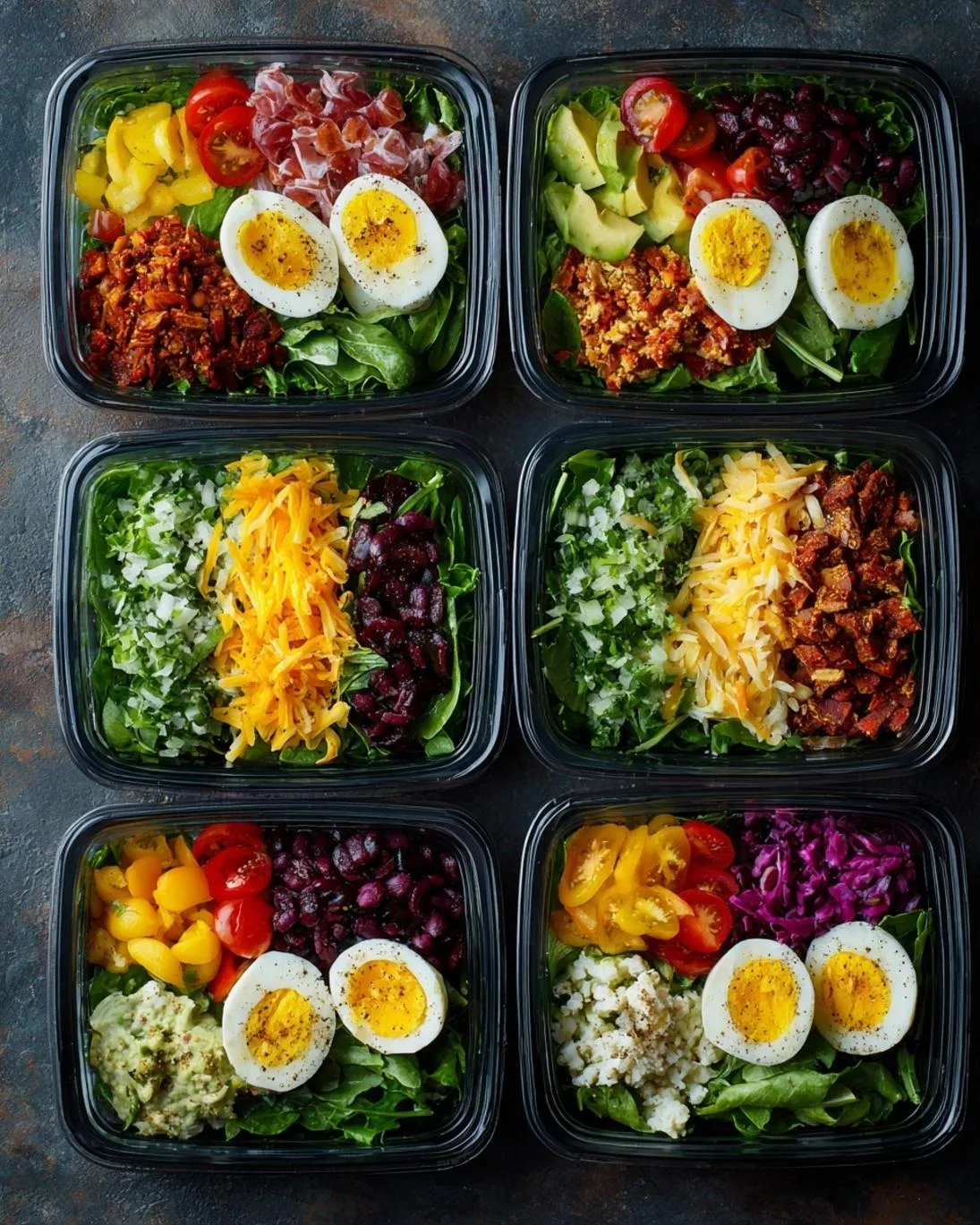
- Bowl Style: For a more casual and comforting presentation, serve the entire mixture in a large, shallow bowl. Drizzle with a light vinaigrette or a squeeze of fresh lemon juice just before serving. This is perfect for meal prepping and taking on the go.
- Garnish Power: Beyond fresh herbs, consider a sprinkle of toasted pumpkin seeds or sunflower seeds for added crunch and healthy fats. A dollop of Greek yogurt or a drizzle of a homemade tahini sauce can also add creaminess and tang.
- Complementary Sides: While the dish is complete on its own, a side salad with leafy greens and a light dressing can add extra freshness. A small portion of quinoa or brown rice can also be served alongside for those desiring a larger carbohydrate portion, creating a satisfying and balanced meal.
- Themed Nights: Pair this dish with a Mediterranean twist, adding a scattering of Kalamata olives and feta cheese after cooking. Or go for an Asian-inspired flavor by swapping Italian herbs for a dash of soy sauce (or tamari) and ginger during cooking, topping with sesame seeds.
- Kids’ Appeal: For younger eaters, you might separate the components on the plate and offer a small dip like hummus or a mild, homemade ketchup for the chicken and vegetables. Making food fun is key to encouraging healthy habits.
Remember, the goal is to make healthy eating both delicious and visually appealing, encouraging consistent adherence to your effortless clean eating guide.
Common Mistakes to Avoid
Even with the best intentions for an effortless clean eating guide, there are common pitfalls that can derail your progress. Understanding and avoiding these mistakes will ensure your journey to healthier eating is smooth and sustainable.
- Overcooking Vegetables: This is a frequent error. Overcooked vegetables lose their vibrant color, crisp texture, and a significant portion of their nutrient content. For instance, boiling broccoli for too long can reduce its glucosinolate compounds by up to 50%. Always aim for tender-crisp. Roasting or steaming are preferred methods.
- Skimping on Seasoning: Bland food is the enemy of sustainable healthy eating. Don’t be afraid to use herbs, spices, lemon juice, and even a little salt (in moderation) to elevate flavors. Contrary to popular belief, using diverse seasonings can help reduce the reliance on unhealthy sauces or high-sodium marinades.
- Cooking with Too Much Oil: While healthy fats are essential, moderation is key. A tablespoon of olive oil contains about 120 calories. Generous pours can quickly add hundreds of unnecessary calories. Measure your oils, especially when sautéing or roasting. Studies show that mindfully measuring ingredients can reduce caloric intake by 15-20% for many home cooks.
- Not Batch Cooking or Meal Prepping: One of the biggest reasons people stray from healthy eating is lack of time. If you don’t have healthy options readily available, you’re more likely to reach for convenient, less nutritious choices. Dedicate an hour or two once or twice a week to prep ingredients or make larger batches of meals. Research highlights that individuals who meal prep are more likely to achieve their health goals.
- Underestimating Portion Sizes: Even with clean ingredients, calories still count. A generous serving of healthy fats like nuts or avocados can quickly add up. Be mindful of portion control, especially with calorically dense foods. Using smaller plates can be a simple psychological trick to help manage portions.
- Falling for “Health Halos”: Just because a product is labeled “organic” or “natural” doesn’t automatically make it healthy. Always read nutrition labels for hidden sugars, excessive sodium, or unhealthy additives. For example, many “healthy” granola bars are packed with added sugars.
By being aware of these common mistakes, you can proactively navigate your clean eating journey with confidence and achieve lasting results.
Storage Tips
Ensuring your healthy meals remain fresh and appealing is crucial for maintaining an effortless clean eating guide. Proper storage not only preserves flavor and nutrients but also minimizes food waste, making your efforts more sustainable.
- Refrigeration: Once your chicken and roasted vegetables have cooled completely (this is important to prevent bacterial growth and condensation), transfer them to airtight containers. Glass containers are ideal as they don’t absorb odors or colors and are microwave-safe. Store in the refrigerator for up to 3-4 days. For optimal freshness, consider storing the chicken and vegetables in separate containers if you anticipate serving them differently later. This separation can prevent the vegetables from becoming soggy from the chicken’s moisture.
- Freezing (for longer storage): For longer-term storage, our cooked chicken and roasted vegetables can be frozen. Once completely cooled, spread the components on a baking sheet and freeze for about an hour until solid. This “flash freezing” prevents them from clumping together. Then, transfer the frozen items to freezer-safe bags or containers, removing as much air as possible to prevent freezer burn. They can be stored for up to 2-3 months. To reheat, thaw overnight in the refrigerator and then warm in the oven or microwave.
- Prep-Ahead Components: To streamline future meal preparation, you can prep some ingredients in advance. Chop all your vegetables (sweet potato, broccoli, bell pepper) and store them in airtight containers in the refrigerator for 2-3 days. This significantly reduces active cooking time on busy weeknights, aligning perfectly with the philosophy of an effortless clean eating guide. You can even pre-mix your spice blend and store it in a small jar, ready to use.
- Revitalizing Leftovers: To bring roasted vegetables back to life and avoid a soggy texture, reheat them in a hot oven or air fryer for a few minutes until slightly crisp. For the chicken, reheating gently in a skillet with a splash of broth or water can help maintain its moisture. While you’re thinking about convenient ways to enjoy delicious treats, our guide on spooky graveyard chocolate cupcakes offers a fun way to enjoy a sweet indulgence without the hassle of complex baking techniques.
By following these storage tips, you’ll always have wholesome, ready-to-eat meals on hand, making your clean eating journey more consistent and enjoyable.
Conclusion
Embracing an effortless clean eating guide isn’t about deprivation or endless rules; it’s about nourishing your body with simple, wholesome foods that leave you feeling energized and vibrant. We’ve debunked the myth that healthy eating requires immense time or specialized ingredients, demonstrating how strategic planning, versatile recipes, and smart preparation can transform your culinary routine. From selecting nutrient-dense ingredients to mastering efficient cooking techniques and smart storage, every step outlined in this guide is designed to empower you to make sustainable, healthful choices effortlessly.
Why wait to experience the profound benefits of cleaner eating? We encourage you to try this delicious chicken and roasted vegetable recipe today and witness firsthand how incredibly satisfying and easy healthy living can be. Share your culinary creations with us in the comments below – we love hearing your success stories and seeing your twists on our recipes! What are your favorite clean eating hacks? Let’s build a community of empowered, healthy eaters together. And remember, keep exploring our blog for more delicious, health-conscious recipes and tips to continue your journey towards a healthier, happier you.
FAQ
Q1: What exactly does “clean eating” mean?
A1: Clean eating generally refers to consuming whole, unprocessed foods that are as close to their natural state as possible. This includes plenty of fruits, vegetables, lean proteins, and whole grains, while minimizing refined sugars, artificial additives, and highly processed items. It’s more about mindful choices than strict dieting.
Q2: Is this recipe suitable for weight loss?
A2: Yes, this recipe is excellent for weight loss due to its high protein and fiber content, which promote satiety and help control appetite. It’s also low in unhealthy fats and refined carbohydrates. Coupled with balanced portion sizes, it fits well into a calorie-controlled eating plan.
Q3: Can I meal prep this recipe for the entire week?
A3: Absolutely! This recipe is ideal for meal prepping. Cooked chicken and roasted vegetables can be stored in airtight containers in the refrigerator for 3-4 days. For longer storage, freeze individual portions for up to 2-3 months. This ensures you always have a healthy meal ready to go.
Q4: How can I make this recipe spicier?
A4: To add a kick, you can incorporate a pinch of red pepper flakes with your seasonings, or drizzle with a dash of sriracha or hot sauce after cooking. A finely chopped jalapeño could also be roasted with the vegetables for a fresh, spicy flavor.
Q5: What if I don’t have an oven for roasting?
A5: No oven, no problem! You can achieve similar results by sautéing the vegetables in a large skillet over medium-high heat until tender-crisp. You might need to cook them in batches to avoid overcrowding the pan. The chicken can also be cooked in the same skillet.
Q6: Are there any ingredients I should avoid when following an effortless clean eating guide?
A6: While not strict rules, generally aim to limit or avoid foods high in added sugars (like sugary drinks, candies, many processed snacks), highly refined grains (white bread, pasta), artificial trans fats, and excessive sodium from processed foods. Focus on the abundance of whole foods instead!
Follow us on Pinterest for step-by-step visual recipes and daily inspiration