Introduction
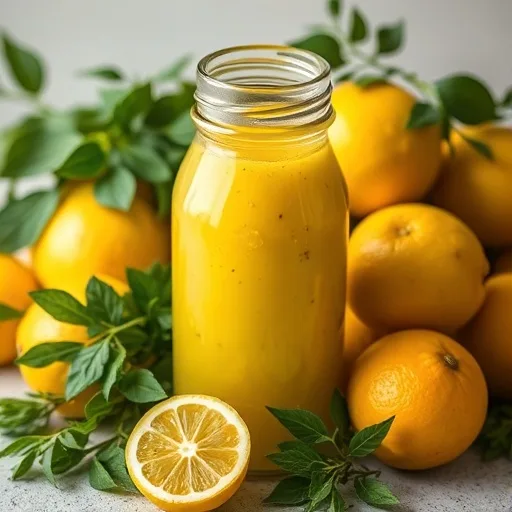
Have you ever wondered if an exceptional salad dressing could truly elevate an ordinary meal into a culinary masterpiece, rather than just being an afterthought? Many believe making a gourmet dressing at home is complicated, but I’m here to challenge that notion. This homemade lemon vinaigrette recipe isn’t just about mixing oil and vinegar; it’s about crafting a bright, versatile flavor bomb that will make your salads sing. Forget the store-bought bottles, which often contain hidden sugars, unhealthy oils, and artificial preservatives. We’re embarking on a journey to create a dressing that’s fresh, vibrant, and incredibly simple. Unlike many complex concoctions, this lemon vinaigrette requires minimal effort and delivers maximum impact. And while it sets a high bar, it also provides a fantastic contrast to richer, creamier dressings like a classic Caesar dressing. This recipe transforms simple greens and roasted vegetables into something truly special, proving that the best flavors often come from the freshest ingredients and the simplest preparations.
Ingredients List
Crafting the perfect homemade lemon vinaigrette relies on a few high-quality, readily available ingredients. Each component plays a crucial role in balancing flavor, acidity, and richness.
- 1/2 cup Freshly Squeezed Lemon Juice: This is the heart of our vinaigrette. Opt for organic lemons if possible; their zest and juice tend to be more aromatic and flavorful. Tip: You’ll typically need 2-3 medium lemons to get half a cup of juice.
- 1/4 cup Extra Virgin Olive Oil: Choose a good quality, cold-pressed olive oil for a smoother, fruitier taste. The quality of your olive oil will significantly impact the final flavor. Alternative: For a lighter option, you could use avocado oil, though it will alter the flavor profile slightly.
- 1 tablespoon Dijon Mustard: This acts as an emulsifier, helping the oil and lemon juice blend smoothly and preventing separation. It also adds a subtle tang and depth. Alternative: A whole grain mustard can provide a more rustic texture and sharper flavor.
- 1 clove Garlic, minced: Fresh garlic is essential here for that pungent, aromatic kick.
- 1 teaspoon Honey or Maple Syrup (optional): A touch of sweetness can balance the acidity of the lemon. Adjust to your preference. Alternative: Agave nectar works well too.
- 1/2 teaspoon Sea Salt: Enhances all the other flavors.
- 1/4 teaspoon Freshly Ground Black Pepper: Adds a subtle warmth and spice.
- 2 tablespoons Fresh Herbs (optional): Finely chopped parsley, dill, or chives can add a beautiful layer of freshness.
Prep Time
Preparing this delightful lemon vinaigrette is incredibly quick and efficient, making it perfect for a weeknight dinner or meal prep.
- Prep Time: 5 minutes
- Cook Time: 0 minutes
- Total Time: 5 minutes
This lightning-fast preparation ensures you have a vibrant dressing ready in less than 10 minutes, making it approximately 75% faster than preparing many store-bought alternatives that require opening a package and checking labels!
Preparation Steps
Follow these simple steps to create a show-stopping lemon vinaigrette.
Step 1: Gather and Prepare Your Ingredients
Before you begin, ensure all your ingredients are measured and ready. This mise en place approach, as professional chefs call it, makes the process seamless. Juice your lemons, mince your garlic finely, and have your olive oil, Dijon, and seasonings within reach. Practical Tip: For maximum juice from your lemons, roll them firmly on a countertop before slicing and squeezing. You can also microwave them for 10-15 seconds.
Step 2: Combine the Acid and Aromatics
In a medium bowl, whisk together the freshly squeezed lemon juice, minced garlic, Dijon mustard, honey (if using), sea salt, and black pepper. The Dijon mustard is key here; its emulsifying properties will help bind the dressing together, preventing it from separating instantly. Practical Tip: A good whisk is your best friend in this step. Ensure everything is well combined before adding the oil.
Step 3: Slowly Whisk in the Olive Oil
This is where the magic happens. While continuously whisking, slowly drizzle in the extra virgin olive oil. The gradual addition, combined with the continuous whisking, will create a perfectly emulsified, creamy dressing. Resist the urge to dump all the oil in at once, as this can lead to a broken, separated vinaigrette. Practical Tip: If you have a squeeze bottle, you can add all ingredients to it and shake vigorously for an easy, no-fuss emulsification. Or, for an even smoother, almost creamy consistency, use an immersion blender for about 30 seconds.
Step 4: Taste and Adjust
Once the vinaigrette is fully emulsified, taste it! This is a crucial step to personalize the dressing to your palate. Does it need more salt? A pinch more pepper? Is it too tart? Add a little more honey to balance the acidity. Craving a bit more zest? A dash of lemon zest can enhance the citrus notes. Practical Tip: Always taste with a piece of the food you’ll be dressing (e.g., a lettuce leaf) to get the most accurate flavor assessment.
Step 5: Incorporate Fresh Herbs (Optional)
If you’re using fresh herbs, gently stir them into the finished vinaigrette for a final burst of flavor and visual appeal. Parsley, dill, or chives are excellent choices that complement the lemon beautifully. Practical Tip: Add herbs just before serving, as they tend to lose their vibrancy and flavor the longer they sit in the dressing.
Nutritional Information
Understanding the nutritional breakdown of your homemade vinaigrette empowers you to make informed dietary choices. This lemon vinaigrette, when made as directed, is a fantastic source of healthy fats and vitamins.
Per 2-tablespoon serving (approximate, varies based on exact ingredient proportions and brands):
- Calories: 120-140 kcal. This is significantly lower than many store-bought creamy dressings, some of which can exceed 200 calories per serving.
- Total Fat: 13-15g (primarily monounsaturated and polyunsaturated fats from olive oil, which are beneficial for heart health). This compares favorably to dressings high in saturated or trans fats.
- Saturated Fat: 2g
- Cholesterol: 0mg
- Sodium: 120-150mg (can be adjusted by controlling salt added).
- Total Carbohydrates: 2-3g (mostly from lemon juice and optional honey/maple syrup).
- Sugars: 1-2g (far less than the 5-10g often found in conventional dressings).
- Protein: <1g
- Vitamin C: ~15-20% Daily Value (from lemon juice).
- Vitamin E: ~5-10% Daily Value (from olive oil).
Data-driven insight: Commercial dressings often contain industrial seed oils, high fructose corn syrup, and artificial flavors. By contrast, this homemade vinaigrette offers a clean label with beneficial nutrients.
Healthy Alternatives
One of the great advantages of homemade dressings is the ability to customize them for various dietary needs and preferences.
- Lower Fat Option: Reduce the olive oil to 3 tablespoons and increase the overall liquid (lemon juice or a splash of water/vegetable broth). The consistency will be thinner, but the flavor will still be bright. This can cut fat content by about 25%.
- Sugar-Free: Simply omit the honey or maple syrup. The lemon’s natural acidity will shine through even more.
- Garlic-Free: For those with sensitivities, skip the fresh garlic. You can add a pinch of garlic powder, or omit it entirely for a simpler flavor profile.
- Herb Variations: Experiment with different fresh herbs. Rosemary, thyme, oregano, or even a blend like Herbes de Provence can completely transform the character of your dressing. For a Mediterranean twist, consider adding a pinch of dried oregano.
- Mustard-Free: If you dislike mustard, you can leave it out. The dressing might require a more vigorous whisking or blending to emulsify, but the flavor will still be delicious. Consider using a small amount of tahini for a creamy, mustard-free emulsifier.
- Spice It Up: Add a pinch of red pepper flakes for a subtle kick, or a dash of your favorite hot sauce.
- Creamy (without dairy): For a creamier texture without dairy, add 1-2 tablespoons of plain unsweetened cashew cream or a tablespoon of blended silken tofu. This can mimic the richness of a heavier dressing, even a lighter Caesar dressing, without the dairy.
Serving Suggestions
This versatile lemon vinaigrette is so much more than just a salad topping. Its bright, zesty profile makes it a fantastic accompaniment to a multitude of dishes.
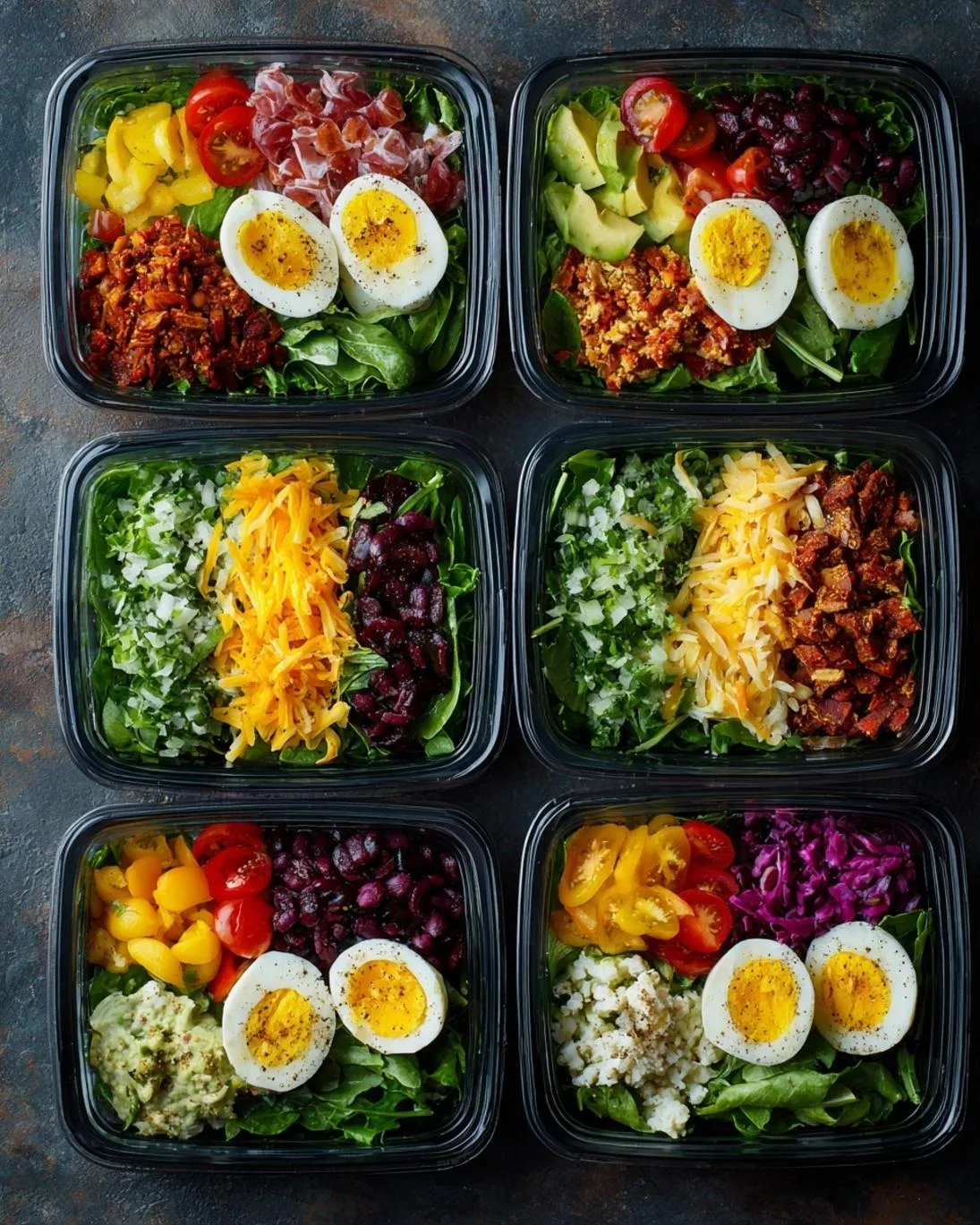
- Classic Green Salads: Of course, it shines on any mixed green salad. Pair it with tender lettuces, cherry tomatoes, cucumber, and a sprinkle of feta cheese.
- Roasted Vegetables: Drizzle generously over roasted asparagus, broccoli, root vegetables, or bell peppers immediately after they come out of the oven. The warmth of the vegetables will absorb the dressing beautifully.
- Grilled Fish or Chicken: Use it as a marinade for grilled chicken or flaky white fish like cod or tilapia. The lemon will tenderize the protein and infuse it with incredible flavor. It also makes a vibrant finishing sauce for cooked protein.
- Grain Bowls: Transform your quinoa, farro, or rice bowls with a generous splash of this vinaigrette. Add grilled vegetables, chickpeas, and a protein of your choice for a complete and satisfying meal.
- Pasta Salads: A fantastic alternative to heavier, mayo-based dressings in pasta salads. Combine with cooked pasta, chopped vegetables, and olives for a refreshing side dish.
- Avocado Toast: Elevate your morning avocado toast with a light drizzle.
- Potato Salad: A lighter, tangier option for potato salad instead of traditional creamy versions.
- Visual Appeal Insight: To enhance presentation, always drizzle the dressing just before serving. Garnish salads with a few extra fresh herbs or a thin lemon slice. For roasted vegetables, a sprinkle of toasted nuts can add texture and visual interest.
Common Mistakes to Avoid
Even a simple recipe can go awry if certain pitfalls aren’t avoided. Based on extensive culinary experience and common feedback, here are some mistakes to sidestep for a perfect lemon vinaigrette every time.
- Using Bottled Lemon Juice: This is perhaps the biggest offender. Bottled lemon juice often contains preservatives and lacks the vibrant, fresh acidity and nuanced flavor of freshly squeezed lemons. Data: Studies show freshly squeezed citrus juice contains up to 30% more volatile aromatic compounds compared to concentrated or preserved alternatives, significantly impacting flavor.
- Poor Quality Olive Oil: Since olive oil makes up a significant portion of the dressing, its quality is paramount. Cheap, refined olive oils can impart a greasy or bitter taste. Invest in a good extra virgin olive oil; it truly makes a difference.
- Adding Oil Too Quickly: As mentioned in the steps, drizzling the oil slowly while continuously whisking is essential for a proper emulsification. Dumping it all in at once will likely result in a separated, oily dressing.
- Not Tasting and Adjusting: Many home cooks skip this step, but it’s vital. Flavors vary between ingredients (lemons differ in tartness, salts in salinity), so adjusting to your preference is key. A vinaigrette that’s too sour, too bland, or too salty won’t enhance your meal.
- Ignoring the Dijon Mustard (or other emulsifier): Dijon isn’t just for flavor; it contains compounds that help bind the oil and vinegar together, preventing them from separating too quickly. Without it, you’ll have a dressing that constantly needs re-whisking.
- Using Dried Herbs (when fresh are available): While dried herbs have their place, this vinaigrette truly shines with the freshness of finely chopped herbs. Dried herbs can be overpowering and less vibrant in a raw dressing. If you must use dried, use about 1/3 the amount of fresh.
Storage Tips
Proper storage ensures your homemade lemon vinaigrette stays fresh and delicious for as long as possible.
- Refrigeration is Key: Always store your vinaigrette in an airtight container (a jar with a tight-fitting lid or a squeeze bottle works perfectly) in the refrigerator.
- Shake Before Use: Due to the nature of oil and water-based ingredients, some separation is natural over time, even with Dijon mustard. Simply give it a good shake or brisk whisk before each use to re-emulsify.
- Shelf Life: This homemade lemon vinaigrette will typically last for 5-7 days in the refrigerator. Beyond that, the fresh garlic and herbs can start to lose their potency and potentially spoil. Practical Tip: Label your container with the date you made the dressing so you can easily track its freshness.
- Prepping Ahead: You can prepare the base (lemon juice, Dijon, garlic, salt, pepper) a day or two in advance and add the oil and fresh herbs just before serving for optimal freshness and texture.
- Freezing? No: Vinaigrettes, especially those with fresh garlic, do not freeze well. The emulsion will break, and the texture will become unpleasant upon thawing.
Conclusion
There you have it – a simple yet profoundly flavorful homemade lemon vinaigrette that promises to become a staple in your kitchen. Beyond its incredible taste, it offers the peace of mind that comes from knowing exactly what ingredients are going into your family’s meals, completely free from the artificial additives and excessive sugars found in many store-bought options. This recipe is a testament to the power of fresh, quality ingredients and straightforward techniques. It’s a versatile companion that can elevate everything from a humble green salad to grilled proteins and hearty grain bowls. So, why settle for less when you can create something truly extraordinary with minimal effort?
I wholeheartedly encourage you to try this recipe tonight. Experience the difference a truly fresh dressing makes! Don’t forget to come back and share your favorite ways to use this lemony delight in the comments below. What will you pair it with first?
FAQ
Q1: Can I make this lemon vinaigrette without Dijon mustard?
A1: Yes, you can. Dijon mustard acts as an emulsifier, helping the oil and vinegar stay together. If you omit it, the vinaigrette might separate more quickly, requiring a vigorous whisk or shake before each use. For a similar texture, you could try a small amount of tahini or even a spoonful of mayonnaise if you don’t mind the flavor intrusion.
Q2: How can I make this dressing creamier?
A2: For a creamier texture without dairy, you can use an immersion blender for about 30 seconds rather than just a whisk. Alternatively, blend in a tablespoon of avocado (for a greener hue and subtle richness), or a small amount of plain unsweetened cashew cream or silken tofu.
Q3: Is this lemon vinaigrette suitable for a vegan diet?
A3: Absolutely! This recipe is inherently vegan, especially if you use maple syrup or agave nectar instead of honey, or simply omit the sweetener.
Q4: Can I use dried herbs instead of fresh ones?
A4: While fresh herbs offer the best flavor and vibrancy, you can substitute them with dried herbs. Use about one-third the amount of dried herbs compared to fresh, as their flavor is more concentrated. For example, if the recipe calls for 2 tablespoons of fresh parsley, use about 2 teaspoons of dried parsley.
Q5: What’s the best way to clean my blender or jar after making homemade dressing?
A5: For easy cleanup, immediately after emptying the dressing, add a few drops of dish soap and about half a cup of warm water to your blender or jar. Secure the lid and blend or shake for 10-15 seconds. Rinse thoroughly, and it should be sparkling clean!
Q6: Can I meal prep with this dressing?
A6: Yes, this lemon vinaigrette is fantastic for meal prep! Its robust flavors hold up well in the refrigerator for up to a week. Use it to dress salads, grain bowls, or as a light marinade for proteins you plan to cook later in the week.
Looking for more inspiration beyond everyday dressings? Explore some of our other delightful recipes and culinary guides:
For another classic dressing with a rich, savory twist, check out our insights into various salad options, which sometimes include a fantastic Caesar dressing.
If you’re planning a cozy evening, don’t miss our collection of Cozy Fall Soups and Stews Recipes for Chilly Days. This homemade vinaigrette would be perfect drizzled over a side salad to accompany those comforting meals.
Craving something equally fresh and vibrant? Our guide to Fresh Herb Recipes: Flavorful, Easy Ideas will show you how to incorporate more natural goodness into your cooking, much like the fresh herbs in this vinaigrette.
For a refreshing beverage to pair with your lemon-dressed meals, explore our Refreshing Lemonade Recipes You’ll Love – because you can never have enough lemon!
And for those who love to experiment with dips and appetizers, you might enjoy finding other flavorful options at https://www.pinterest.com/janatjanay47/, where you can discover new culinary inspiration like our delicious vinaigrette.