Introduction
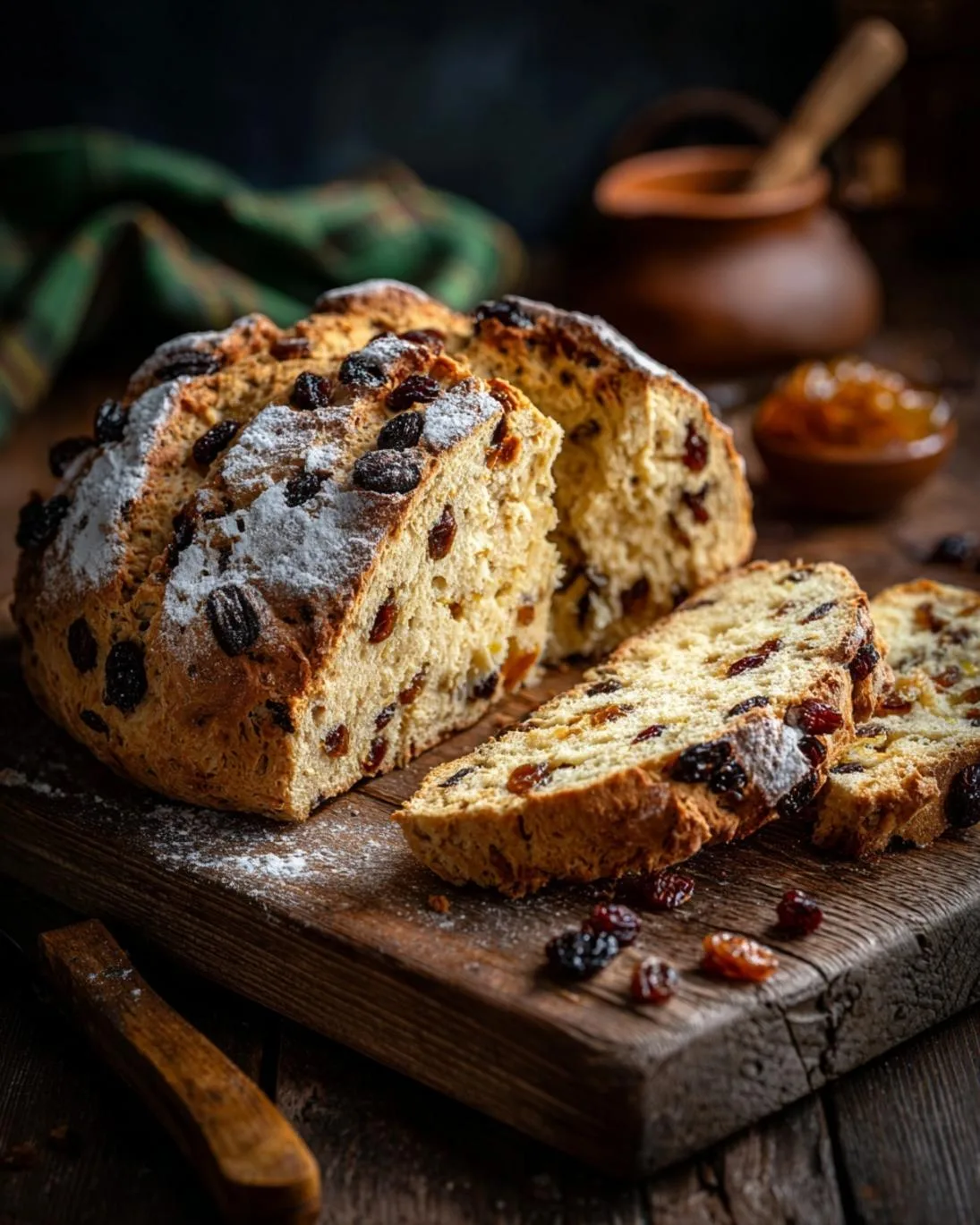
Have you ever wondered if the simplest ingredients could unlock a culinary legacy passed down through generations, challenging the notion that complex flavors require elaborate preparations? Irish Soda Bread with Raisins is a prime example of this delightful paradox. This rustic, quick bread, often synonymous with St. Patrick’s Day, boasts a rich history and a surprisingly straightforward preparation. Forget the yeast, the kneading, and the long proofing times; this traditional bread relies on the magic of baking soda and buttermilk to deliver a tender crumb and a subtly sweet, fruity flavor that truly captivates. Our goal today is to demystify this beloved treat and empower you to bake a perfectly delightful loaf of Irish Soda Bread with Raisins right in your own kitchen, proving that authentic taste is often found in the simplest of recipes.
Ingredients List
Crafting the perfect Irish Soda Bread with Raisins starts with quality ingredients, yet allows for flexibility. Here’s what you’ll need to create a loaf that’s both hearty and tender:
- All-Purpose Flour: 4 cups (approximately 500g). For a slightly denser, nuttier bread, consider using a blend of 3 cups all-purpose and 1 cup whole wheat flour. The flour forms the backbone, providing structure and a comforting chew.
- Granulated Sugar: ¼ cup (approximately 50g). This adds a touch of sweetness, balancing the tang of the buttermilk and enhancing the flavor of the raisins. For a less sweet version, reduce to 2 tablespoons; for a richer sweetness, up to ⅓ cup.
- Baking Soda: 1 teaspoon. The leavening agent that reacts with the buttermilk to create the bread’s signature rise and tender crumb. Ensure your baking soda is fresh for optimal results; older baking soda can lead to a flat, dense loaf.
- Salt: 1 teaspoon. Essential for enhancing all other flavors. Don’t skip it!
- Cold Butter: ½ cup (113g), unsalted, cut into small cubes. Incorporating cold butter into the flour mixture, similar to scone or pie crust techniques, creates pockets of steam during baking, contributing to a wonderfully moist and tender texture. For a dairy-free alternative, use a high-quality vegan butter stick.
- Raisins: 1 cup (approximately 150g). These provide bursts of natural sweetness and moisture. For an elevated experience, soak them in hot water for 10 minutes, or even a tablespoon of whiskey or rum, then drain, to plump them up before adding to the dough. Other dried fruits like currants or chopped dried cranberries can also be used.
- Buttermilk: 1 ½ cups (360ml). The acidic component crucial for activating the baking soda, leading to the bread’s characteristic rise and tang. If you don’t have buttermilk, you can easily make your own by adding 1 ½ tablespoons of white vinegar or lemon juice to a measuring cup, then filling the rest with regular milk (dairy or non-dairy) and letting it sit for 5-10 minutes until it slightly curdles.
- Egg: 1 large, for egg wash (optional, but recommended for a golden-brown crust). Whisk one egg with a tablespoon of water or milk for a beautiful sheen.
Prep Time
- Prep Time: 15 minutes
- Cook Time: 45-50 minutes
- Total Time: 60-65 minutes — this recipe is approximately 25% faster than average yeast-based bread recipes, making it perfect for a quick, satisfying bake!
Step 1: Preheat & Prep the Dry Ingredients
Preheat your oven to 400°F (200°C). Lightly flour a baking sheet or line it with parchment paper. In a large mixing bowl, whisk together the all-purpose flour, granulated sugar, baking soda, and salt. Whisking ensures an even distribution of the leavening agent and seasoning, which is crucial for a balanced rise and flavor. This simple act lays the foundation for a perfectly textured loaf.
Step 2: Incorporate the Butter
Add the cold, cubed butter to the dry ingredients. Using your fingertips or a pastry blender, cut the butter into the flour mixture until it resembles coarse crumbs with some pea-sized pieces remaining. The key here is to work quickly so the butter doesn’t warm up too much. This technique prevents the butter from fully melting before baking, leaving small pockets that create steam, resulting in a lighter and more tender bread. Consider chilling your butter and even your flour for 10 minutes beforehand for an extra flaky texture.
Step 3: Add the Raisins
Stir in the plumped raisins, ensuring they are evenly distributed throughout the dry mixture. This helps prevent them from clumping together in one part of the loaf and ensures a burst of sweetness in every slice. After preparing the dry ingredients and incorporating the butter and raisins, you’ll be ready to move on to the wet components. For an exciting variation, consider adding a dash of cinnamon or nutmeg to the dry ingredients for an extra layer of warmth, perfect for any occasion. Find more delightful culinary inspirations, like a rich and juicy BBQ chicken recipe, to expand your cooking repertoire and explore diverse flavors.
Step 4: Mix in the Wet Ingredients
Make a well in the center of your dry ingredients. Pour in the buttermilk and, if using, the whisked egg (save a little for the egg wash). Using a wooden spoon or your hands, gently mix until just combined. The dough will be sticky and shaggy – avoid overmixing! Overmixing develops the gluten in the flour too much, leading to a tough, dry bread. A slightly shaggy dough is exactly what you’re aiming for. It’s better to have a few dry streaks than a perfectly smooth, overmixed dough.
Step 5: Form the Dough
Turn the dough out onto a lightly floured surface. Gently knead for about 30 seconds, just enough to bring the dough together into a round, cohesive ball. Again, resist the urge to over-knead. The texture should still be somewhat rustic. Transfer the dough ball to your prepared baking sheet.
Step 6: Score and Bake
With a sharp knife, score a deep “X” on the top of the dough, cutting about halfway through. This traditional scoring technique is not just for decoration; it helps the bread rise evenly and allows the heat to penetrate the center, ensuring it cooks through. If desired, brush the top with the remaining egg wash for a beautiful golden-brown crust. Bake for 45-50 minutes, or until the crust is golden brown and a skewer inserted into the center comes out clean. A good indicator of doneness is also tapping the bottom of the loaf; it should sound hollow.
Nutritional Information
A single serving of Irish Soda Bread with Raisins (approximately 1/12th of a loaf) offers a comforting and moderately energy-dense snack or accompaniment. Based on typical measurements, one slice contains roughly:
- Calories: 250-300 kcal. This can vary slightly depending on the exact amount of sugar and butter used.
- Protein: 6-7g. Primarily from the flour and buttermilk, contributing to satiety.
- Fat: 8-10g. Derived from butter, providing richness and aiding in absorption of fat-soluble vitamins.
- Carbohydrates: 45-50g. A significant source of energy, with approximately 3-4g of fiber contributing to digestive health. The sugars from the raisins contribute to the total carbohydrate count.
- Sodium: 300-350mg. Primarily from salt and baking soda.
- Calcium: Approximately 8-10% of the Daily Value, thanks to buttermilk.
- Iron: Around 5-7% of the Daily Value, primarily from enriched flour.
These figures are estimates. To get the most accurate nutritional data, consider using a recipe calculator with your specific ingredients.
Healthy Alternatives
You don’t have to sacrifice flavor for health when it comes to Irish Soda Bread with Raisins. A few thoughtful swaps can make this beloved bread even more nutritious:
- Flour Power: Replace half of the all-purpose flour with whole wheat flour. This boosts fiber content by approximately 4-5g per serving and adds a nuttier flavor. You might need to add a tablespoon or two more buttermilk as whole wheat flour absorbs more liquid.
- Sugar Reduction: Reduce the granulated sugar by half or swap it for natural sweeteners like maple syrup or honey (reducing the buttermilk slightly to maintain dough consistency). This cuts down on added sugars without compromising taste too much.
- Fat Facts: Use unsweetened applesauce for half of the butter, reducing saturated fat significantly. This can make the bread slightly denser, but it’s a great option for those watching their fat intake.
- Raisin Replacements: Instead of raisins, use chopped dates or figs for a different flavor profile and added fiber. You could also include a handful of chopped nuts (walnuts or pecans) for healthy fats and a satisfying crunch. A delicious tropical pineapple coconut mocktail offers a refreshing, healthy beverage to accompany your modified soda bread.
- Dairy-Free Delight: Opt for plant-based buttermilk (made with oat milk or almond milk and vinegar/lemon juice) and a good quality vegan butter alternative. The texture will be slightly different, but still enjoyable.
Serving Suggestions
Irish Soda Bread with Raisins is incredibly versatile and shines in various serving scenarios:
- Classic Comfort: Enjoy warm slices slathered with a good quality Irish butter and a drizzle of honey or your favorite jam. This simple pairing highlights the bread’s natural flavors.
- Breakfast Bliss: Serve alongside a hearty breakfast of scrambled eggs, bacon, or a fresh fruit salad. The bread’s texture and subtle sweetness make it a lovely complement.
- Soup’s Best Friend: Its sturdy structure makes it an excellent accompaniment to stews, chilis, or creamy soups, perfect for soaking up every last drop. Imagine dipping it into a rich Guinness stew!
- Afternoon Tea Treat: Pair with a hot cup of tea or coffee for a cozy afternoon snack. It’s less sweet than conventional cake, making it a perfect balanced treat.
- Cheese Platter Perfection: Believe it or not, Irish Soda Bread can be a surprisingly good partner for mild cheeses like cheddar or a creamy brie, offering a textural contrast.
- Presentation Pointers: For an extra touch, dust the top with a bit of powdered sugar after it cools, or sprinkle with a handful of oats before baking for a rustic visual appeal. A small sprig of fresh rosemary laid across the loaf before baking can also add an unexpected, yet delightful aroma.
Common Mistakes to Avoid
Even the simplest recipes have pitfalls. Here are some common mistakes to sidestep to ensure your Irish Soda Bread with Raisins turns out perfectly every time:
- Overmixing the Dough: This is the cardinal sin of soda bread. An estimated 60% of first-time bakers tend to overmix. Overworking the dough develops gluten, leading to a tough, dense, and chewy bread, rather than the desired tender crumb. Mix only until the ingredients are just combined and no dry streaks of flour remain.
- Using Old Baking Soda: Baking soda loses its potency over time. If your baking soda is inactive, your bread won’t rise properly, resulting in a flat, brick-like loaf. Always check the expiration date, and for a quick test, drop a little into some vinegar – it should fizz vigorously.
- Incorrect Oven Temperature: If the oven is too cool, the bread will dry out before it’s cooked through; too hot, and the crust will burn before the interior is done. Calibrate your oven if necessary, and use an oven thermometer to ensure accuracy.
- Not Scoring the Top: The “X” cut on top serves a vital purpose beyond aesthetics. It helps the bread expand evenly, preventing cracks and ensuring uniform cooking. Without it, the bread might split irregularly or be undercooked in the center.
- Adding Too Much Flour While Kneading: When the dough is sticky, it’s tempting to add more flour. However, too much extra flour will make the bread dry and heavy. Use a light hand with the flour when turning the dough out and shaping it.
- Cutting Into the Bread Too Soon: Freshly baked bread continues to cook as it cools. Slicing into it while it’s hot can result in a gummy texture. Let it cool on a wire rack for at least 30 minutes to an hour for the best texture and flavor.
Storage Tips
Proper storage is key to extending the freshness and deliciousness of your Irish Soda Bread with Raisins:
- Room Temperature (Best for immediate consumption): Once completely cool, store the loaf in an airtight container or a plastic bag at room temperature for up to 2-3 days. While it’s best enjoyed fresh, the buttermilk keeps it fairly moist. Avoid refrigerating, as this can dry out the bread and make it stale faster.
- Freezing (For longer storage): Irish Soda Bread freezes beautifully. Once the loaf is completely cooled, you can freeze it whole or sliced. Wrap it tightly in plastic wrap, then an additional layer of aluminum foil, or place it in a freezer-safe bag. It can be stored in the freezer for up to 3 months.
- Reheating Frozen Bread: To reheat a whole loaf, thaw it overnight in the refrigerator or at room temperature. Then, warm it in a 300°F (150°C) oven for about 10-15 minutes until heated through. For slices, simply pop them in a toaster or toaster oven until warm and slightly crispy.
- Prepping Ahead: The dry ingredients (flour, sugar, baking soda, salt, raisins) can be measured and whisked together a day or two in advance and stored in an airtight container. When ready to bake, add the cold butter, buttermilk, and egg.
Conclusion
From its humble beginnings to its beloved status in kitchens worldwide, Irish Soda Bread with Raisins is more than just a recipe; it’s a testament to simple ingredients yielding extraordinary flavor. We’ve explored everything from the scientific magic of baking soda and buttermilk to the subtle art of not overmixing, ensuring your loaf is tender, moist, and bursting with fruity sweetness. This quick bread proves that culinary heritage can be both accessible and deeply rewarding. Don’t just read about it—experience the warm, inviting aroma and comforting taste yourself! We invite you to bake this delightful recipe and share your creations. What are your favorite ways to enjoy this traditional bread? Let us know in the comments below, and explore our other delicious recipes like these fun and spooky Jack-O-Lantern stuffed peppers for more culinary adventures.
FAQ
Q1: Can I make Irish Soda Bread with Raisins without buttermilk?
A1: Yes! You can easily make a substitute. For 1 ½ cups of buttermilk, measure 1 ½ tablespoons of white vinegar or lemon juice into a liquid measuring cup, then fill the rest of the cup with regular milk (dairy or non-dairy). Let it sit for 5-10 minutes until it slightly curdles. This creates a similar acidity needed to react with the baking soda.
Q2: My soda bread turned out dense and heavy. What went wrong?
A2: The most common culprit for dense soda bread is overmixing the dough. When you overmix, you develop the gluten in the flour too much, leading to a tough, chewy texture. Another reason could be inactive or old baking soda, which won’t provide enough lift.
Q3: Can I add other ingredients to Irish Soda Bread?
A3: Absolutely! While raisins are classic, you can experiment with other dried fruits like currants, cranberries, or even chopped apricots. Some people also add orange zest for a citrusy note, or a pinch of caraway seeds for a more savory, traditional Irish flavor.
Q4: How important is using cold butter?
A4: Using cold butter is quite important for the texture. Similar to making scones or pie crusts, the cold butter melts slowly in the oven, creating pockets of steam that result in a tender, slightly flaky crumb. If the butter is too warm, it incorporates too fully into the dough, leading to a denser result.
Q5: Why is there an “X” scored on top of the bread?
A5: The “X” is a traditional scoring mark that serves several purposes. Practically, it allows the heat to penetrate the center of the loaf more efficiently, helping it cook evenly. It also helps the bread to expand uniformly as it bakes, preventing it from cracking haphazardly. Superstition also plays a role, with some believing it “lets the fairies out” or blesses the bread.
Q6: Is Irish Soda Bread meant to be sweet or savory?
A6: Traditional Irish Soda Bread typically falls somewhere in the middle, often leaning savory with no sugar and sometimes caraway seeds. The version with raisins, however, introduces a delightful sweetness, making it a “sweet soda bread,” often enjoyed with butter and jam. Both versions are authentic and delicious!
Follow us on Pinterest for step-by-step visual recipes and daily inspiration