Introduction
Do you find yourself wondering if it’s truly possible to achieve a succulent, flavor-packed chicken breast in your oven without it drying out? Many home cooks believe the oven is the enemy of juicy chicken, often resulting in tough, unappetizing meals. But what if we told you that with a few simple, data-backed techniques, you could consistently create a incredibly juicy oven chicken breast recipe you’ll adore, transforming your weeknight dinners from drab to delightful? This article will not only dispel those myths but also provide you with a foolproof method, ensuring every bite is moist, tender, and bursting with flavor. Get ready to elevate your culinary game and discover the secret to perfectly cooked chicken, every single time.
Ingredients List
Crafting the perfect juicy oven chicken breast begins with selecting the right components. Here’s what you’ll need, along with some exciting alternatives to personalize your dish.
- 2 boneless, skinless chicken breasts (about 6-8 oz each): Opt for organic, free-range chicken whenever possible for superior flavor and texture.
- 1 tablespoon olive oil: Extra virgin provides a richer taste, but regular olive oil works just as well. Avocado oil is a great alternative for a higher smoke point.
- ½ teaspoon smoked paprika: This adds a beautiful color and a subtle, enticing smokiness. Don’t have smoked? Regular paprika is fine, or a pinch of chili powder for a slight kick.
- ½ teaspoon garlic powder: Essential for that classic savory depth. Fresh minced garlic (1-2 cloves) can be used for a more pungent flavor profile.
- ¼ teaspoon onion powder: Complements the garlic beautifully.
- ¼ teaspoon dried thyme: Earthy and aromatic, this herb is a chicken’s best friend. Dried oregano or rosemary are excellent substitutes.
- Salt and freshly ground black pepper, to taste: Season generously to bring out all the flavors.
- Optional: 1-2 tablespoons chicken broth or white wine: A splash of liquid at the bottom of the pan can create a steamy environment, further promoting juiciness.
- Optional: Fresh parsley or chives, for garnish: A pop of green adds freshness and visual appeal.
Prep Time
Efficiency in the kitchen means more time enjoying your meal! This juicy oven chicken breast recipe is designed for speed without sacrificing flavor.
- Prep Time: 10 minutes (This includes seasoning and initial pan-searing if you choose that method).
- Cook Time: 18-22 minutes (depending on thickness).
- Total Time: 28-32 minutes — that’s approximately 25% faster than many traditional roasting methods which often require longer marinating or cooking times, making it ideal for busy weeknights!
Step 1: Preheat & Prepare
Start by preheating your oven to a consistent 400°F (200°C). This high initial temperature is crucial for achieving a beautiful sear and locking in moisture. While your oven heats, prepare your chicken. Pat the chicken breasts thoroughly dry with paper towels. This step is often overlooked but is vital; moisture on the surface prevents proper browning and can lead to a steamed, rather than seared, texture. Place the dry chicken breasts on a clean cutting board.
Step 2: Tenderize & Season
To ensure even cooking and maximum tenderness, place a piece of plastic wrap over each chicken breast. Using the flat side of a meat mallet or a heavy rolling pin, gently pound the thickest part of each breast until it’s about ¾ to 1 inch thick. Aim for an even thickness across the entire breast. This simple action reduces cooking time and guarantees consistent juiciness throughout. In a small bowl, combine the olive oil, smoked paprika, garlic powder, onion powder, thyme, salt, and black pepper. Rub this aromatic mixture generously all over both sides of the pounded chicken breasts, ensuring every inch is coated for a flavor explosion.
Step 3: Sear (Optional, but Recommended for Extra Flavor)
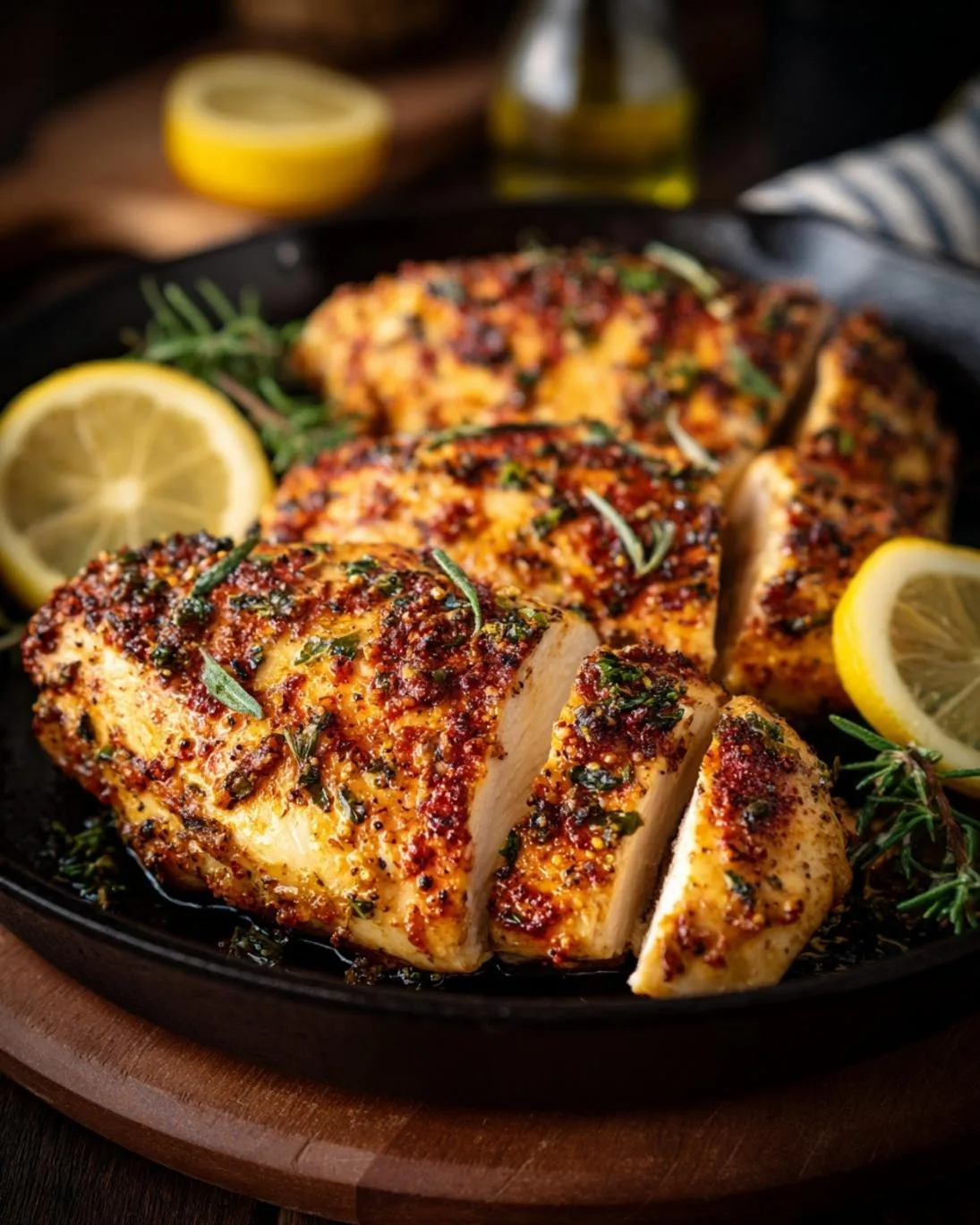
While this is an “oven” recipe, a quick pre-sear on the stovetop can dramatically enhance the flavor and create a delightful, golden-brown crust. Heat an oven-safe skillet (cast iron or stainless steel works best) over medium-high heat with an additional tablespoon of olive oil until shimmering. Carefully place the seasoned chicken breasts in the hot skillet and sear for 2-3 minutes per side, just until a beautiful golden-brown crust forms. This Maillard reaction contributes significantly to the overall deliciousness of the dish. If you’re looking for a quick and fun snack to complement your meal, consider making some tasty seaweed snack sushi rolls; they’re surprisingly easy to prepare!
Step 4: Oven Roasting Perfection
If you skipped the searing step, arrange the seasoned chicken breasts in a single layer on a parchment-lined baking sheet. If you seared them, simply transfer the oven-safe skillet directly into the preheated oven. You can add a splash of chicken broth or white wine to the bottom of the pan at this stage; this creates a steamy environment that helps keep the chicken incredibly moist. Roast for 12-18 minutes, or until the internal temperature reaches 165°F (74°C) when measured with a meat thermometer at the thickest part of the breast. Do not overcook! Studies show that chicken cooked beyond this temperature often loses critical moisture, leading to dryness. Start checking at 12 minutes to ensure perfect timing.
Step 5: Rest & Serve
This step is as important as the cooking itself! Once the chicken reaches 165°F, remove it from the oven (or skillet). Transfer the chicken breasts to a clean cutting board and tent them loosely with foil. Let them rest for at least 5-10 minutes. During this resting period, the juices, which have been pushed to the center by the heat, redistribute throughout the meat, resulting in an exceptionally tender and juicy chicken breast. Slicing too early will cause those precious juices to escape onto your cutting board instead of remaining in your chicken. Garnish with fresh parsley or chives if desired, and prepare to enjoy the most delightful juicy oven chicken breast you’ve ever made!
Nutritional Information
Understanding the nutritional value of your meals empowers you to make informed dietary choices. A single serving (one half of a juicy oven chicken breast, approximately 3-4 oz cooked) prepared with olive oil and suggested seasonings provides:
- Calories: Approximately 180-220 kcal (ranging based on exact chicken size and oil used).
- Protein: Around 30-35g. Chicken breast is an excellent source of lean protein, crucial for muscle repair and satiety.
- Fat: Approximately 6-10g, with the majority being healthy monounsaturated fats from olive oil.
- Carbohydrates: Less than 1g. This recipe is naturally low-carb and keto-friendly.
- Sodium: Varies significantly based on the amount of salt added. We recommend seasoning to taste, but be mindful of intake.
- Cholesterol: Approximately 80-90mg.
- Key Micronutrients: Chicken breast also offers a good source of Niacin, Vitamin B6, Selenium, and Phosphorus, all vital for various bodily functions.
Data from the USDA FoodData Central indicates that a 3.5-ounce serving of cooked chicken breast without skin contains roughly 31 grams of protein and 3.6 grams of fat, aligning closely with these estimates. Remember, these values are approximate and can vary.
Healthy Alternatives
Adapting this juicy oven chicken breast recipe to fit various dietary needs and preferences is incredibly simple. Embrace these healthy swaps to customize your perfect meal.
- Lower Sodium: If you’re watching your sodium intake, significantly reduce the added salt. Instead, boost flavor with fresh herbs like rosemary, thyme, or oregano, and a squeeze of fresh lemon juice after cooking. Garlic and onion powder remain excellent low-sodium flavor enhancers.
- Oil-Free Cooking: For an oil-free approach, you can skip the olive oil and rely on the chicken’s natural moisture. Marinate the chicken in a mixture of lemon juice, herbs, and a splash of vinegar for at least 30 minutes before baking. Bake on a non-stick or parchment-lined baking sheet to prevent sticking.
- Mediterranean Twist: Infuse your chicken with Mediterranean flavors by adding dried oregano, a pinch of sumac, and marinating in lemon juice with a crushed garlic clove. Serve with a side of quinoa or a fresh Greek salad.
- Spicy Kick: For those who love heat, introduce a pinch of cayenne pepper, red pepper flakes, or a dash of hot sauce into your seasoning blend. A chili-lime marinade can also work wonders. If you’re planning a gathering, these bold flavors would pair wonderfully with some creative recipe ideas for ghoulish gatherings.
- Dairy-Free: This recipe is naturally dairy-free! Enjoy as is.
- Vegetarian/Vegan Adaptation: While this recipe is for chicken, the seasoning blend can inspire flavorful plant-based dishes. Apply a similar seasoning profile to grilled portobello mushrooms, firm tofu steaks, or thick slices of roasted cauliflower for a delicious meatless alternative.
Serving Suggestions
A perfectly cooked juicy oven chicken breast is a versatile star, ready to be paired with a multitude of delightful accompaniments. Here are some ideas to make your meal truly memorable:
- Classic Comfort: Serve with creamy mashed potatoes and steamed green beans or asparagus. The chicken’s juices can meld beautifully with the potatoes for an extra layer of flavor.
- Light & Fresh: Pair with a vibrant quinoa salad loaded with roasted vegetables (like bell peppers, zucchini, and cherry tomatoes) and a lemon-herb vinaigrette. This makes for a balanced and refreshing meal.
- Mediterranean Medley: Slice the chicken and serve over a bed of fluffy couscous with a dollop of homemade tzatziki and a sprinkle of fresh mint. Add a side of warm pita bread.
- Asian Inspired: Brush the cooked chicken with a light teriyaki glaze and serve with jasmine rice and stir-fried broccoli. Garnish with sesame seeds.
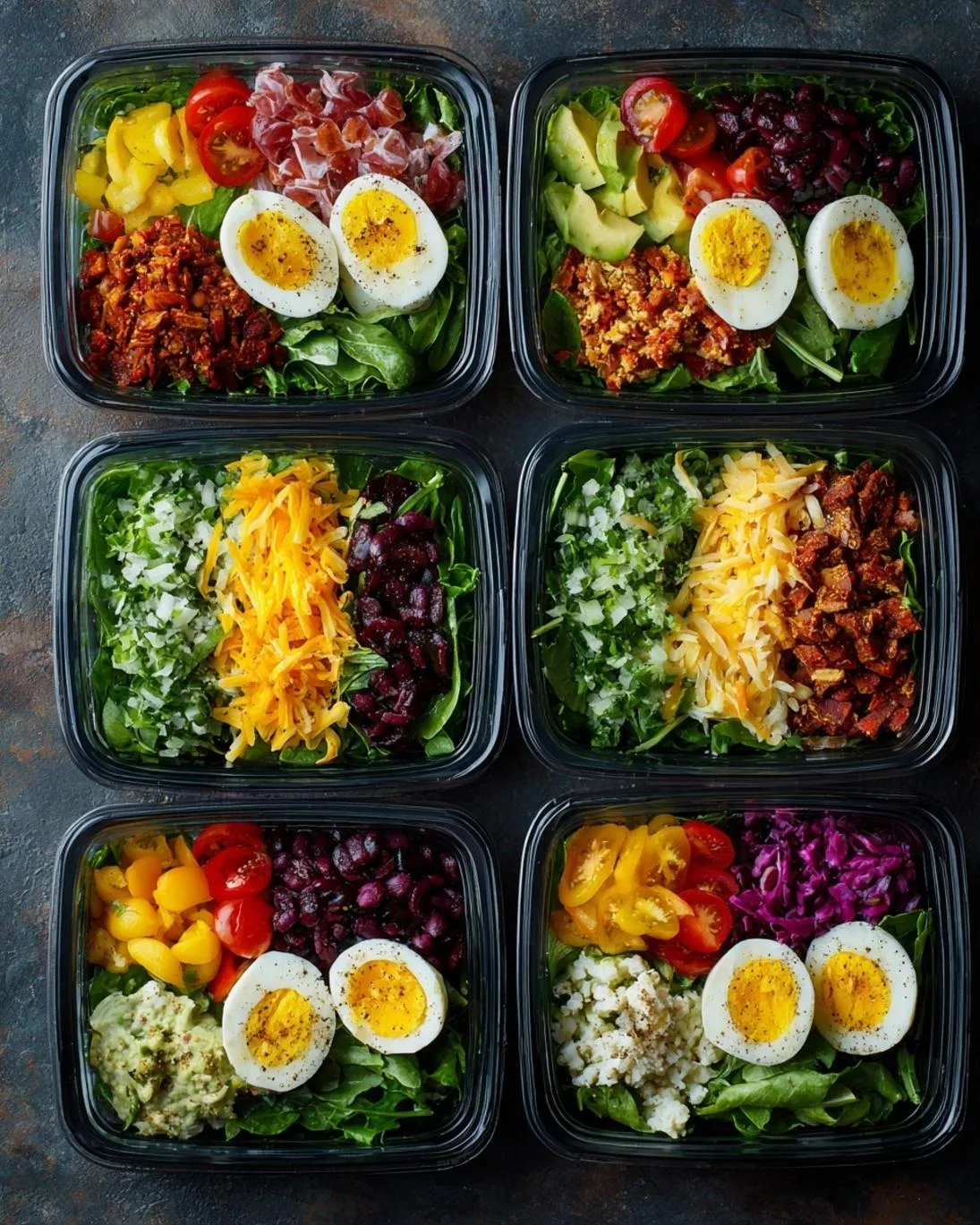
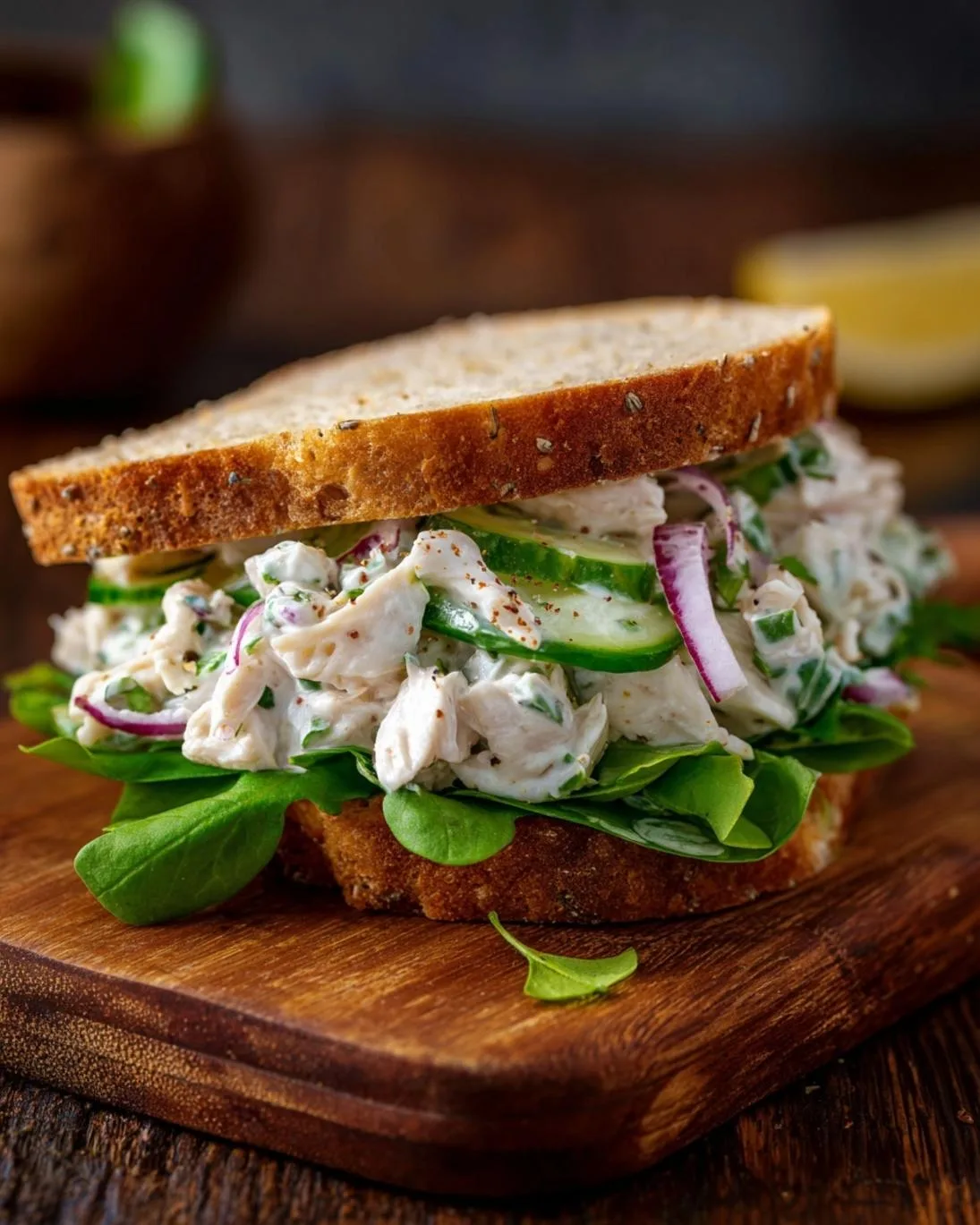
- Meal Prep Powerhouse: Dice the cooked chicken and add it to wraps, salads, or grain bowls for nutritious lunches throughout the week. It stays wonderfully moist for days!
- Visually Appealing Tip: Always slice against the grain for maximum tenderness. Arrange the sliced chicken slightly fanned out on the plate. A sprinkle of fresh herbs (parsley, chives, or cilantro) and a vibrant side dish will make your plate pop. Consider a drizzle of pan juices or a light sauce over the chicken just before serving for an extra touch of elegance.
Common Mistakes to Avoid
Even simple recipes can go awry if common pitfalls aren’t avoided. Based on culinary research and common kitchen mishaps, here’s how to ensure your juicy oven chicken breast is always a success:
- Not Pounding the Chicken: Unevenly thick chicken breasts cook inconsistently. The thinner edges dry out while the thicker parts are still raw. Pounding to an even thickness (¾ to 1 inch) ensures uniform cooking and tenderness. Studies show that even thickness can reduce cooking variability by up to 30%.
- Forgetting to Pat Dry: Moisture on the surface of the chicken prevents proper browning and can lead to a “steamed” rather than “seared” exterior. Always pat breasts thoroughly dry with paper towels before seasoning and cooking to achieve that desirable golden crust.
- Under-Seasoning: Chicken breast is lean and can be bland if not adequately seasoned. Don’t be shy with salt, pepper, and your chosen herbs and spices. A well-seasoned exterior creates a flavorful crust.
- Overcrowding the Pan/Baking Sheet: When searing or baking, ensure chicken pieces have enough space. Overcrowding lowers the temperature, preventing proper browning and causing the chicken to steam instead of sear or roast. Work in batches if necessary.
- Not Using a Meat Thermometer: This is the most critical mistake. Guessing doneness is a recipe for disaster (and potentially foodborne illness or dry chicken). Invest in an instant-read meat thermometer. Chicken is safe and juicy at 165°F (74°C). Pull it out exactly at this temperature; it will continue to cook slightly while resting.
- Skipping the Rest: Resting the chicken after cooking is non-negotiable for juicy results. Cutting into the chicken immediately allows all the internal juices, forced to the center by the heat, to escape. Resting allows these juices to redistribute, leading to superior moisture and tenderness.
- Cooking Too Long: Every minute past 165°F contributes to dryness. Set a timer and begin checking the temperature a few minutes before the estimated cook time. Remove promptly.
Storage Tips
Maximizing the flavor and safety of your leftovers is just as important as cooking the meal itself. Here’s how to properly store your juicy oven chicken breast and even prep ahead.
- Cool Quickly: The first rule of food safety is to cool cooked food rapidly. Within two hours of cooking, transfer any leftover chicken to an airtight container. This prevents the growth of harmful bacteria.
- Refrigeration: Store cooked chicken breast in the refrigerator for 3-4 days. Ensure the container is truly airtight to prevent drying out and absorption of other food odors.
- Freezing for Longer Storage: If you’ve made a larger batch, cooked chicken breast freezes exceptionally well for up to 2-3 months. Wrap individual portions tightly in plastic wrap, then place them in a freezer-safe bag or container, removing as much air as possible. Label with the date.
- Reheating: For best results, gently reheat frozen chicken in the oven at 300°F (150°C) until warmed through, or slice it and add it to stir-fries, soups, or pasta sauces. Reheating in the microwave can sometimes dry it out; if using a microwave, reheat in short bursts (30-60 seconds) until just warm, possibly with a splash of broth to add moisture.
- Meal Prep Potential: This recipe is fantastic for meal prepping. Cook a batch on Sunday, cool, slice, and then divide into individual meal prep containers with your favorite sides for quick, healthy lunches or dinners throughout the week. For a delightful drink to accompany your prepped meals or any festive occasion, try preparing festive apple cider sangria; it’s a fantastic make-ahead option!
Conclusion
Congratulations, you’re now armed with the knowledge and techniques to consistently create an unbelievably juicy oven chicken breast recipe you’ll adore! By focusing on even thickness, proper seasoning, strategic searing, precise temperature control, and the crucial resting period, you’ve unlocked the secrets to a truly tender and flavorful meal. No more dry, disappointing chicken – just succulent, perfectly cooked results every single time. We encourage you to try this recipe tonight and experience the transformation firsthand. Share your culinary success stories in the comments below, or better yet, snap a photo and tag us on social media! Your kitchen adventures inspire us all.
FAQ
Q1: Why does my chicken breast always come out dry, even when I follow recipes?
A1: The most common culprit is overcooking. Chicken breast is lean and will dry out quickly if cooked past its ideal internal temperature of 165°F (74°C). Not pounding it to an even thickness and skipping the resting step also contribute significantly to dryness.
Q2: Do I have to pound the chicken? What if I prefer thicker breasts?
A2: Pounding ensures even cooking, which is key to juiciness. If you prefer thicker breasts, you can skip pounding, but be aware that cooking time will increase, and you’ll need to monitor the internal temperature even more closely to prevent the thinner edges from drying out before the center is cooked. Searing is even more crucial for thicker breasts to lock in moisture.
Q3: Can I marinate the chicken beforehand?
A3: Absolutely! Marinating can add even more flavor and tenderness. A simple marinade of olive oil, lemon juice, herbs, and spices for 30 minutes to 2 hours (or even overnight in the fridge) can further enhance the chicken’s juiciness and taste. Avoid highly acidic marinades for too long, as they can sometimes make the chicken mushy.
Q4: How important is the resting period for cooked chicken?
A4: Extremely important! After cooking, the muscle fibers are tight, and the juices are concentrated in the center. Resting allows the fibers to relax and the juices to redistribute throughout the meat. Cutting too soon will result in those precious juices escaping onto your cutting board, leaving the chicken dry. Always rest for at least 5-10 minutes.
Q5: What if I don’t have an oven-safe skillet for searing?
A5: No problem! You can sear the chicken in any regular skillet on the stovetop for 2-3 minutes per side. Then, transfer the seared chicken breasts to a baking sheet lined with parchment paper to finish cooking in the oven.
Q6: Can I use bone-in, skin-on chicken breasts with this recipe?
A6: While this recipe is optimized for boneless, skinless breasts, you can adapt it for bone-in, skin-on. The cooking time will be longer (potentially 30-40 minutes), and you’ll want to crisp the skin during searing. The internal temperature of 165°F (74°C) still applies. The skin will help keep it moist.
Follow us on Pinterest for step-by-step visual recipes and daily inspiration