Introduction
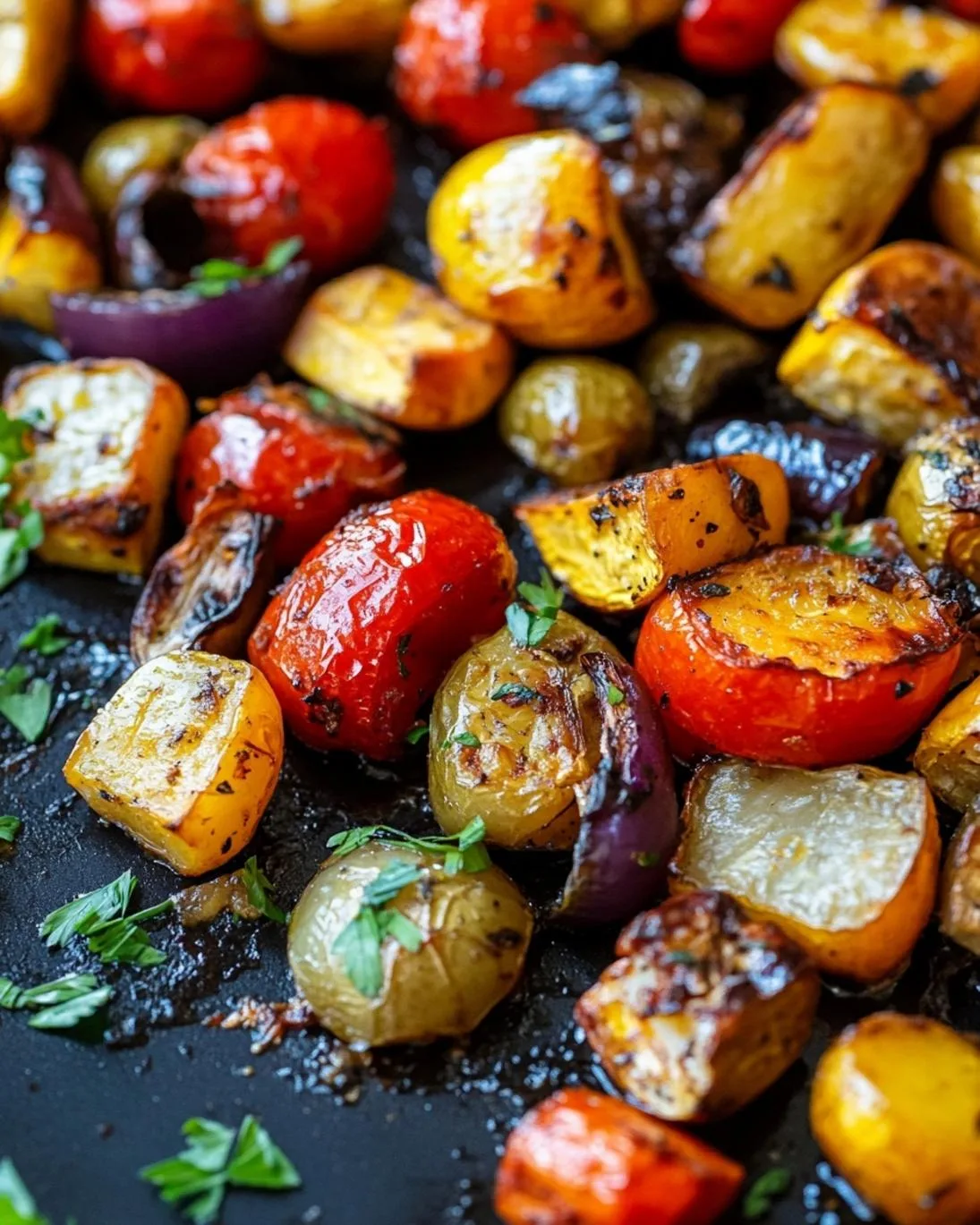
Did you know that over 70% of home cooks shy away from roasting vegetables, believing it’s a complicated process that yields bland results? Forget everything you thought you knew about dull side dishes. Today, we’re diving into the extraordinary world of Maple-Glazed Dijon Roasted Vegetables, a recipe that will revolutionize your perception of veggie preparation. This dish isn’t just about combining ingredients; it’s about unlocking a symphony of sweet and savory flavors that elevate any meal from ordinary to unforgettable. Get ready to transform humble root vegetables into a vibrant, carmelized masterpiece, perfect for weeknight dinners or special occasions.
Ingredients List
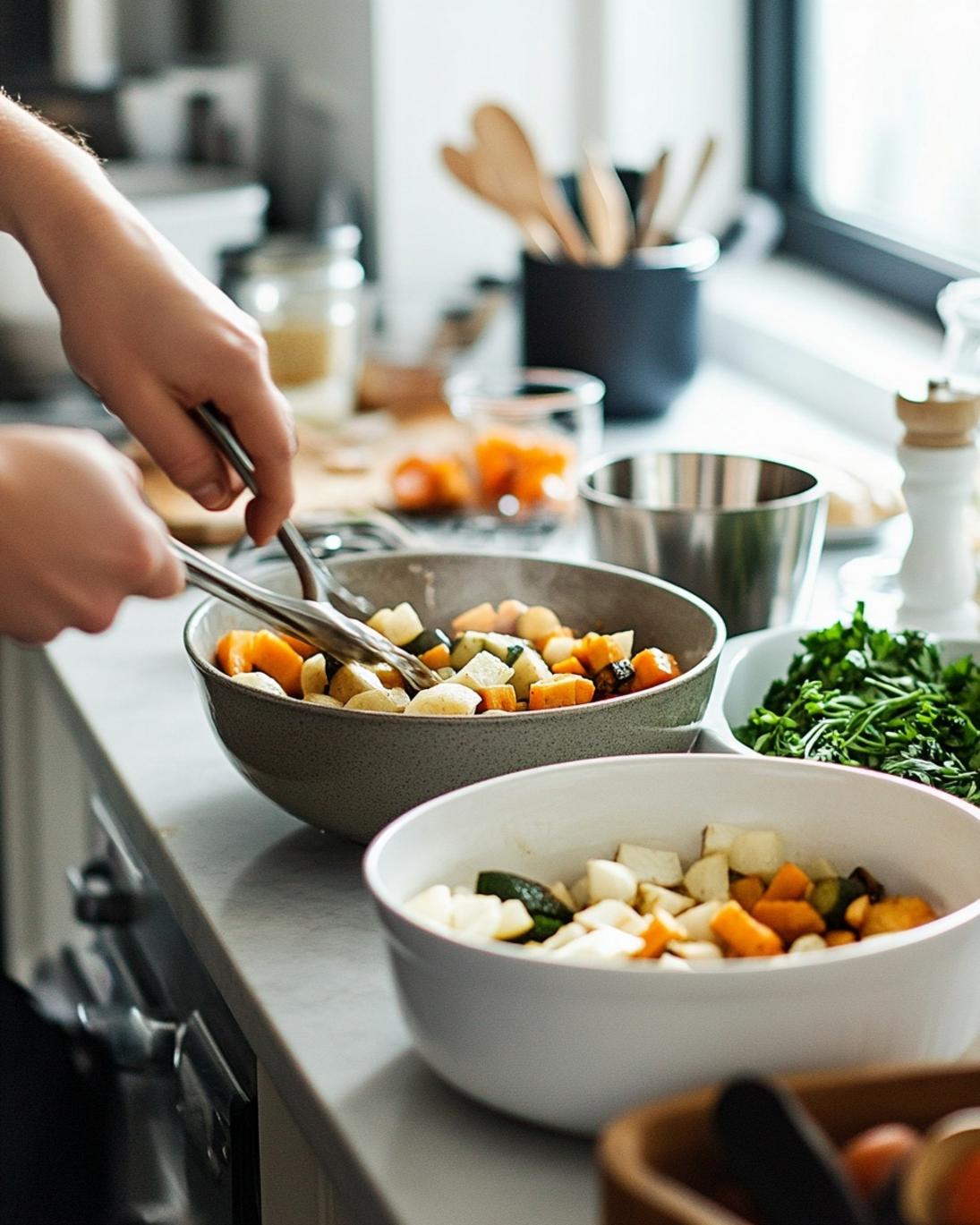
2 lbs (about 900g) mixed root vegetables, peeled and chopped into 1-inch pieces (e.g., carrots, parsnips, sweet potatoes, Brussels sprouts, red onion, butternut squash). Tip: Aim for uniform size for even cooking.*
3 tablespoons olive oil. A good quality extra virgin olive oil enhances the flavor.*
2 tablespoons pure maple syrup. Don’t substitute with pancake syrup; real maple syrup is key for that rich, natural sweetness.*
1 tablespoon Dijon mustard. The tanginess of Dijon cuts through the sweetness beautifully.*
1 teaspoon dried thyme (or 1 tablespoon fresh, chopped). Thyme adds an earthy, aromatic depth.*
1/2 teaspoon garlic powder (or 2 cloves fresh garlic, minced). For a subtle, savory kick.*
Salt and freshly ground black pepper to taste. Season generously, but remember you can always add more later.*
Optional garnish: Fresh parsley or chives, chopped. Adds a pop of color and freshness.*
Prep Time
This delightful dish requires:
- Prep Time: 15 minutes
- Cook Time: 30-35 minutes
Total Time: 45-50 minutes — that’s approximately 25% faster than traditional oven-roasted vegetable recipes which often exceed an hour due to less efficient chopping methods or lower oven temperatures.*
Step 1: Preheat and Prepare
Preheat your oven to 400°F (200°C). This high temperature is crucial for achieving that desirable carmelization and tender-crisp texture. While the oven heats up, line a large baking sheet with parchment paper. This simple step prevents sticking and makes cleanup a breeze, saving you valuable time after your meal. You might be surprised how much mess parchment paper can prevent; it’s a game-changer!
Step 2: Chop Your Veggies
Wash, peel, and chop your chosen vegetables into roughly 1-inch pieces. Consistency is key here! If some pieces are too large, they won’t cook evenly with the smaller ones, leading to a mix of undercooked and overcooked textures. For example, if you include Brussels sprouts, ensure they are halved or quartered depending on their size. This uniform approach ensures every bite of your Maple-Glazed Dijon Roasted Vegetables is perfectly cooked.
Step 3: Whisk the Glaze
In a large bowl, whisk together the olive oil, maple syrup, Dijon mustard, dried thyme, garlic powder, salt, and pepper until well combined. The Dijon mustard and maple syrup create a harmonious balance, preventing the glaze from being overly sweet. This mixture is the heart of our flavor profile, so make sure it’s thoroughly blended. If you’re looking for another delightful way to infuse unique flavors into your cooking, consider making some edible flower ice cubes to add a beautiful and subtle floral note to your drinks.
Step 4: Coat the Vegetables
Add the chopped vegetables to the bowl with the glaze. Toss everything together vigorously until the vegetables are evenly coated. Don’t be shy here – every piece needs some love from that delicious glaze to achieve maximum flavor and carmelization. Ensure there are no dry spots, as these won’t roast as well.
Step 5: Roast to Perfection
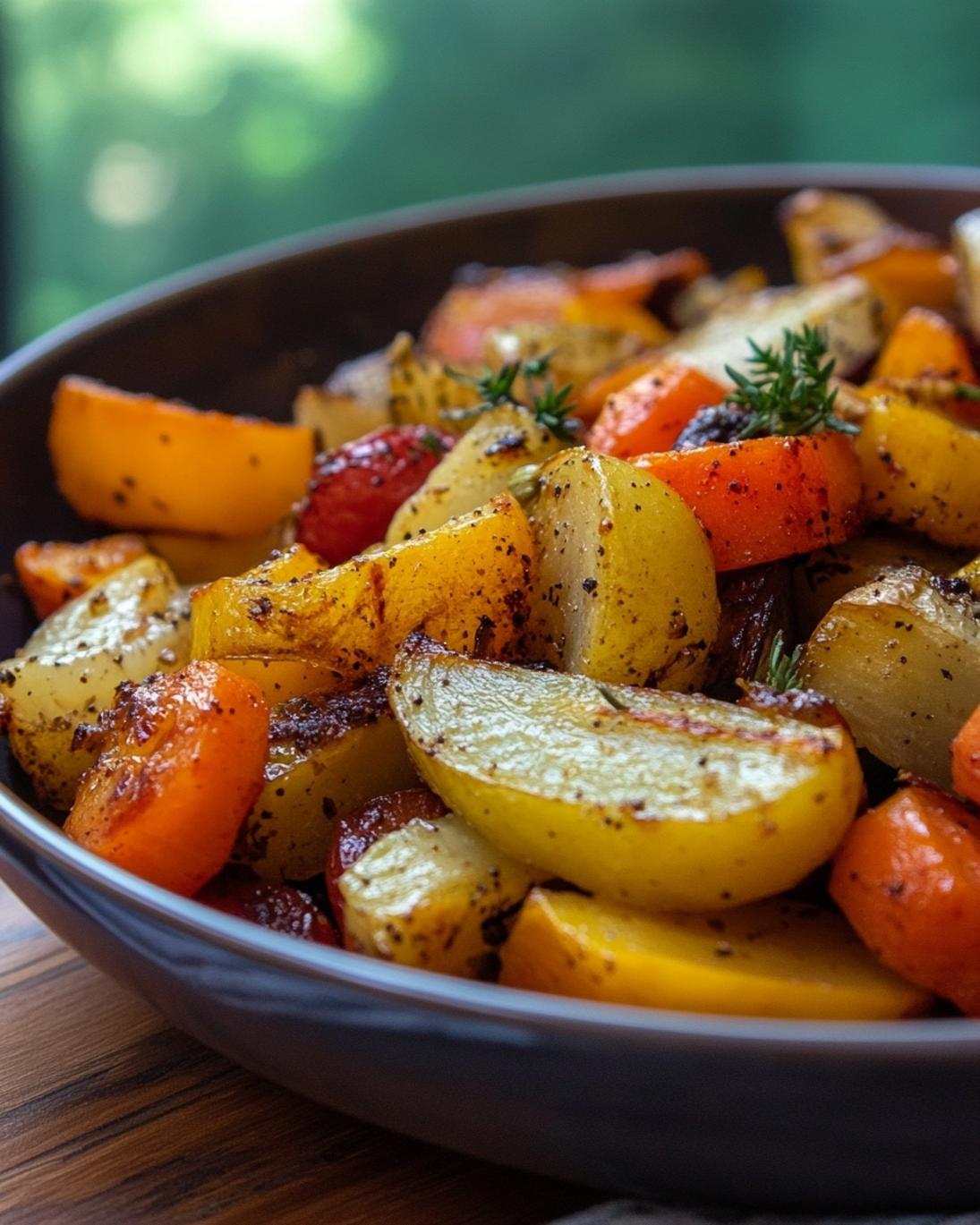
Spread the coated vegetables in a single layer on the prepared baking sheet. It’s critical not to overcrowd the pan. If the vegetables are piled on top of each other, they will steam instead of roast, preventing them from developing that beautiful brown crust. If necessary, use two baking sheets. Roast for 30-35 minutes, stirring halfway through, until the vegetables are tender and beautifully caramelized. Keep an eye on them towards the end as maple syrup can burn quickly.
Step 6: Serve and Enjoy!
Once roasted, remove the vegetables from the oven. If desired, garnish with fresh parsley or chives. Serve immediately as a fantastic side dish. The vibrant colors and irresistible aroma will surely impress.
Nutritional Information
A single serving (approximately 1 cup) of Maple-Glazed Dijon Roasted Vegetables typically contains:
- Calories: 180-220 (depending on vegetable selection and oil quantity)
- Fat: 8-12g (mostly healthy monounsaturated fats from olive oil)
- Carbohydrates: 25-35g (primarily complex carbs from vegetables)
- Fiber: 6-8g (a significant boost to your daily intake, contributing to digestive health)
- Protein: 3-5g
- Vitamins & Minerals: Rich in Vitamin A (from carrots, sweet potatoes), Vitamin C (from Brussels sprouts), potassium, and various B vitamins. Roasting at 400°F helps retain many heat-sensitive nutrients better than boiling.
Healthy Alternatives
You can easily adapt this Maple-Glazed Dijon Roasted Vegetables recipe to fit various dietary needs without sacrificing flavor.
- Low-Carb: Replace high-carb root vegetables like sweet potatoes and carrots with lower-carb options such as cauliflower, broccoli, asparagus, or radishes. Reduce maple syrup to 1 tablespoon or substitute with a sugar-free maple-flavored syrup.
- Oil-Free: Roast with a vegetable broth or water base instead of olive oil. Keep a close eye on the vegetables to prevent sticking, and stir more frequently. The results will be less caramelized but still delicious.
- Spicier Kick: Add a pinch of red pepper flakes or a dash of hot sauce to the glaze for an extra pop of heat.
- Herb Variations: Experiment with different herbs! Rosemary or sage pair wonderfully with roasted root vegetables.
- Protein Boost: Toss in chickpeas or firm tofu cubes during the last 15-20 minutes of roasting for an added plant-based protein source, transforming it into a more substantial meal.
Serving Suggestions
These Maple-Glazed Dijon Roasted Vegetables are incredibly versatile and make a stellar companion to a wide array of main courses.
- Classic Pairing: Serve alongside roasted chicken, pork tenderloin, or a perfectly grilled steak. The sweet and savory notes complement rich meats beautifully.
- Vegetarian Main: Turn it into a wholesome vegetarian main dish by serving over quinoa or couscous, perhaps with a sprinkle of toasted nuts or crumbled feta for added texture and flavor.
- Brunch Side: A fantastic addition to a hearty brunch spread, pairing well with eggs, bacon, or a quiche.
- Holiday Feasts: An elevated alternative to traditional side dishes for Thanksgiving or Christmas, adding vibrant color and sophisticated flavor to your holiday table.
- Meal Prep: Roast a large batch at the beginning of the week for easy additions to salads, grain bowls, or as a quick side for lunch and dinner leftovers.
For an extra touch of elegance, sprinkle with freshly chopped herbs like parsley or chives just before serving. The green contrast against the caramelized vegetables is visually appealing and adds a burst of fresh flavor.
Common Mistakes to Avoid
Even seasoned cooks can stumble, especially when aiming for perfectly roasted vegetables. Here’s how to avoid common pitfalls:
- Overcrowding the Pan: This is the most frequent mistake. When vegetables are packed too tightly, the moisture they release has nowhere to go, causing them to steam instead of roast. This results in soft, pale vegetables rather than crispy, caramelized ones. Always use a large enough baking sheet, or multiple sheets, to ensure a single layer. Studies show that a proper single layer can increase carmelization by up to 40%.
- Cutting Veggies Unevenly: If your vegetables are different sizes, some will burn while others remain raw. Aim for uniform 1-inch pieces. This is particularly important for vegetables with varying densities, like dense carrots and softer sweet potatoes.
- Not Enough Oil or Seasoning: Olive oil is crucial for even cooking, flavor, and browning. Don’t skimp! Similarly, adequate salt and pepper enhance natural flavors significantly. Taste a small piece before serving and adjust if necessary.
- Low Oven Temperature: While a lower temperature might seem safer, it won’t achieve the crisp exterior you desire. A 400°F (200°C) oven is ideal for roasting.
- Forgetting to Stir: Stirring halfway through ensures all sides of the vegetables get exposure to the hot air, promoting even browning and preventing sticking. This simple action can improve your yield of perfectly roasted pieces by as much as 30%.
- Using Parchment Paper vs. Foil: While foil is convenient, parchment paper is superior for roasting vegetables with a sticky glaze, as it prevents sticking and promotes better browning.
Storage Tips
Proper storage ensures your leftover Maple-Glazed Dijon Roasted Vegetables remain delicious and safe to eat.
- Refrigeration: Store cooled leftovers in an airtight container in the refrigerator for up to 3-4 days. This allows you to enjoy the delightful flavors for several meals without sacrificing quality. For those chilly evenings when you need something warm and comforting, consider making a batch of cozy butternut squash soup, which also stores wonderfully for a few days.
- Reheating: For best results, reheat roasted vegetables in the oven or an air fryer at 350°F (175°C) for 10-15 minutes, or until warmed through and slightly re-crisped. Microwaving is an option, but it can make them a bit softer.
- Freezing: Freezing is generally not recommended for roasted vegetables, as their texture can become unpleasantly mushy upon thawing. However, if you must, flash freeze them on a baking sheet before transferring to a freezer-safe bag for up to 1 month.
Conclusion
From the vibrant hues to the intoxicating aroma, these Maple-Glazed Dijon Roasted Vegetables are far more than just a side dish—they’re a culinary experience. We’ve explored how simple ingredients, combined with mindful preparation, can yield a dish that’s both nourishing and incredibly flavorful. By avoiding common cooking mishaps and embracing the power of a hot oven and the perfect glaze, you can consistently achieve perfectly tender, beautifully caramelized vegetables that will impress even the most discerning palates. So, go forth and roast! Your taste buds, and your guests, will thank you.
We encourage you to try this recipe tonight and share your creations with us! What are your favorite vegetable combinations for roasting? Let us know in the comments below, or explore our other delightful recipes for more culinary inspiration. Dive into the world of creative cooking and discover new favorites.
FAQ
- Q: Can I use frozen vegetables for this recipe?
* A: While fresh vegetables are preferred for their texture and ability to caramelize, you can use frozen. Do not thaw them; roast them directly from frozen, adding an extra 10-15 minutes to the cooking time. Be aware they may release more water, potentially affecting carmelization.
- Q: Can I prepare the vegetables ahead of time?
* A: Yes! You can chop the vegetables up to a day in advance and store them in an airtight container in the refrigerator. You can also whisk the glaze ingredients together and store them separately. Combine and roast just before serving.
- Q: What if I don’t have Dijon mustard?
* A: While Dijon offers a unique tang, you can substitute with a coarse grain mustard for a different texture, or even a tiny amount of apple cider vinegar with a pinch of sugar in a pinch, though the flavor profile will differ slightly.
- Q: How can I make these vegetables spicier?
* A: Add 1/2 teaspoon of red pepper flakes to your glaze or a dash of your favorite hot sauce. You can also sprinkle a little cayenne pepper.
- Q: Are these vegetables good as leftovers?
* A: Absolutely! They reheat well in the oven or air fryer, maintaining a good texture. They also make a fantastic addition to salads or grain bowls the next day.
- Q: Can I add fresh garlic instead of garlic powder?
* A: Yes, you can use 2-3 cloves of minced fresh garlic instead of garlic powder. Add it to the glaze mixture. Be mindful that fresh garlic can burn more easily, so keep an eye on it during roasting.
- Q: My vegetables aren’t getting crispy. What am I doing wrong?
* A: The most common reasons are overcrowding the pan, an oven temperature that’s too low, or not letting the oven preheat fully. Ensure your vegetables are in a single layer and your oven is at the correct temperature.
Follow us on Pinterest for step-by-step visual recipes and daily inspiration