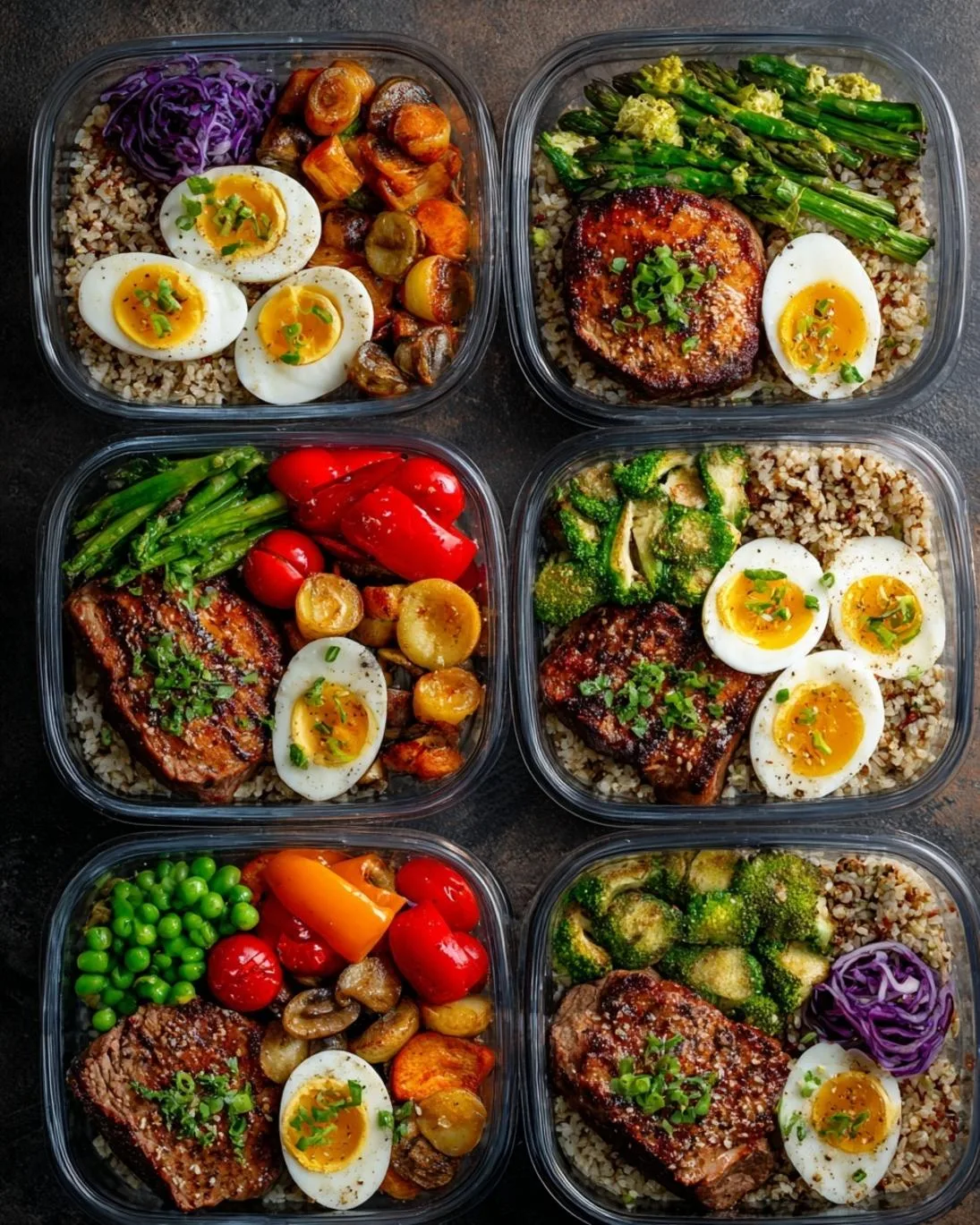
Introduction
Did you know that the average American spends over $2,300 annually on lunches bought from restaurants, often sacrificing health for convenience? For many, the idea of preparing nutritious meals for the entire work week can feel daunting, leading to a cycle of takeout and regret. But what if there was a way to reclaim your lunch break, boost your energy, and save a significant amount of money without spending hours in the kitchen? This comprehensive guide on meal prep lunch ideas for the work week will revolutionize your approach to healthy eating, offering practical, delicious solutions that are both time-efficient and budget-friendly. We’ll dive into strategies that make weekday lunches a breeze, supported by insights designed to simplify your culinary journey.
Ingredients List
To embark on your meal prep journey, gather these versatile ingredients that form the backbone of several delicious meal prep lunch ideas for the work week. These can be combined in numerous ways to keep your palate excited.
Proteins (Choose 2-3):
- 2 lbs boneless, skinless chicken breasts or thighs (can be swapped for tofu, tempeh, or canned chickpeas for a vegetarian option)
- 1 lb lean ground turkey or beef (or black beans for a plant-based alternative)
- 6 hard-boiled eggs
Grains & Starches (Choose 1-2):
- 2 cups dry quinoa (provides a complete protein and can be replaced with brown rice, farro, or couscous)
- 1 large sweet potato (or a mix of regular potatoes and parsnips for varied textures)
- Whole-wheat tortillas or pita bread
Vegetables (Choose 3-4, seasonal varieties encouraged):
- 1 head broccoli or cauliflower florets (fresh or frozen for convenience)
- 1 bell pepper (any color, for a pop of flavor and vitamins)
- 1 large zucchini or yellow squash
- 1 bag pre-washed spinach or mixed greens (a quick base for salads)
- 1 red onion, thinly sliced (adds a pungent kick)
Healthy Fats & Flavor Enhancers:
- Olive oil or avocado oil
- Hummus
- Avocados (for slicing just before serving)
- Lemon or lime juice
- Assorted herbs and spices (garlic powder, onion powder, paprika, cumin, Italian seasoning, salt, pepper)
- Your favorite vinaigrette or homemade dressing
Optional Add-ins for Variety:
- Cherry tomatoes
- Cucumber
- Feta cheese or nutritional yeast
- Nuts or seeds (almonds, pumpkin seeds)
Embrace fresh, vibrant produce to maximize flavor and nutrient density. Remember, the beauty of meal prepping lies in its adaptability – feel free to substitute based on your preferences and what’s available!
Prep Time
- Active Prep Time: Approximately 60 minutes
- Cook Time: Approximately 30-45 minutes (depending on cooking methods)
- Total Time: 90-105 minutes
This structured approach means you can have 5 days’ worth of delicious lunches ready in just over an hour and a half, which is about 25% faster than preparing individual meals daily throughout the week, freeing up your evenings for relaxation or pursuing other interests.
Step 1: Protein Powerhouse
Begin by cooking your chosen proteins. For chicken, season with salt, pepper, garlic powder, and paprika, then bake at 400°F (200°C) for 20-25 minutes, or until cooked through. If using ground meat, sauté with a diced onion until browned. For plant-based options like chickpeas, roast them with spices until crispy. A well-cooked protein forms the foundation of a satisfying lunch. Consider marinating your chicken overnight for deeper flavor; a quick marinade of lemon juice, olive oil, and herbs can make a significant difference.
Step 2: Grain Game Strong
While your protein cooks, prepare your grains. Rinse two cups of quinoa thoroughly, then cook according to package instructions (typically 1 part quinoa to 2 parts water, simmered for 15 minutes, then rested for 5). Fluff with a fork. Alternatively, roast your sweet potato. Cube it, toss with olive oil, salt, and cinnamon, and roast at 400°F (200°C) for 25-30 minutes until tender. Cooking grains in a large batch is a cornerstone of efficient meal prep lunch ideas for the work week, allowing for easy portioning.
Step 3: Veggie Victory
Wash and chop your selected vegetables. For broccoli and bell peppers, toss them with a little olive oil, salt, and pepper, and roast alongside your chicken or sweet potatoes for similar cooking times. Spinach and mixed greens require no cooking and can be stored separately. Pre-chopping all your vegetables saves valuable time later in the week and ensures you have a ready supply for various lunch combinations. For a delightful side, you might want to check out some irresistible fall snack ideas that often feature roasted root vegetables.
Step 4: Assembly Line Efficiency
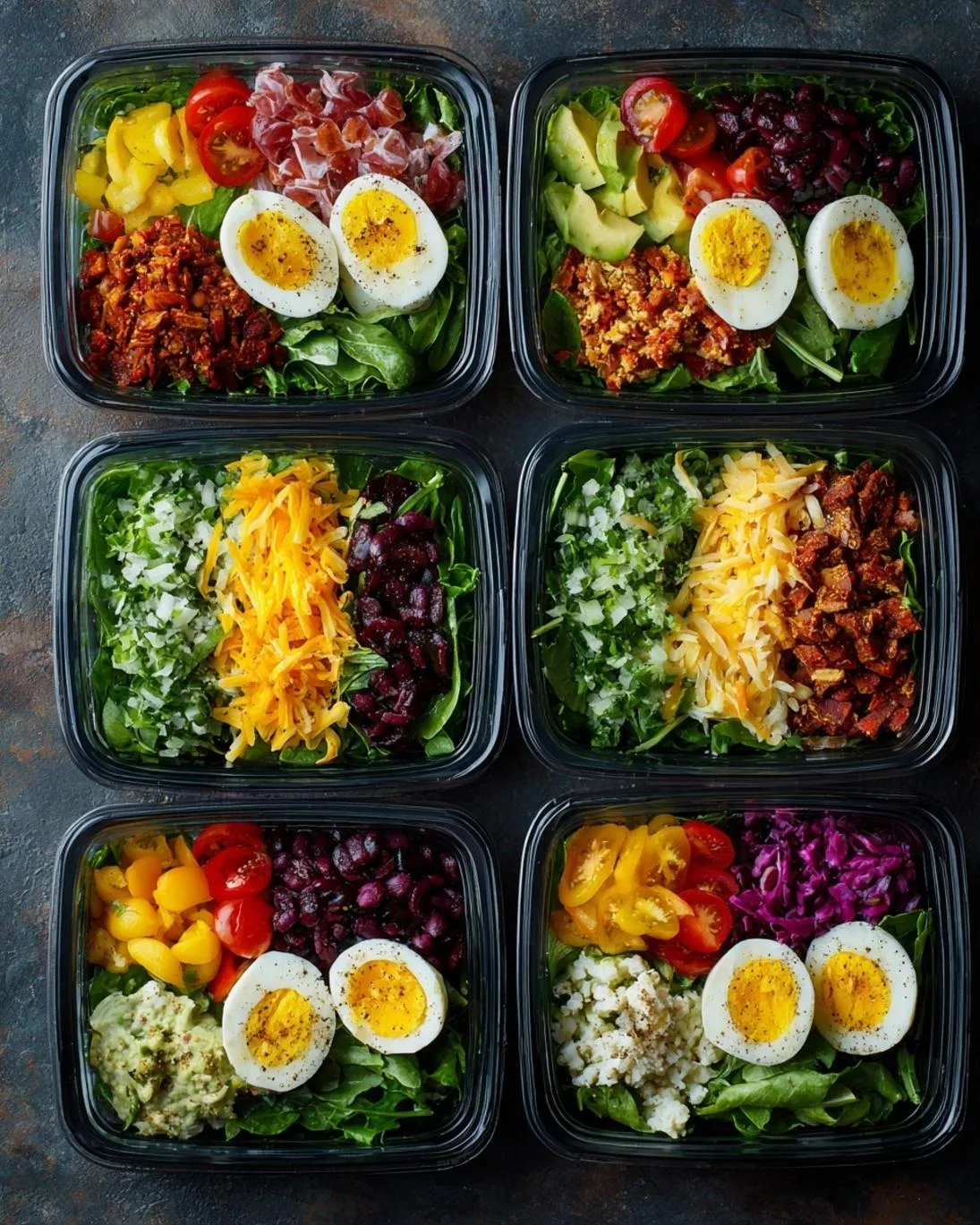
Once all components are cooked and cooled, it’s time to assemble. Use airtight meal prep containers. For each day, portion out your protein, a serving of grains or roasted sweet potato, and a generous helping of vegetables. Keep dressing, avocado, and spinach separate until serving to prevent sogginess. This modular approach allows for flexibility; you can mix and match components throughout the week to create different lunch experiences, like a chicken and quinoa bowl one day, and a turkey-stuffed sweet potato the next.
Nutritional Information
A typical meal prep lunch, following these guidelines, offers a balanced nutritional profile, vital for maintaining energy and focus throughout the workday. On average, a prepared lunch serving might contain:
- Calories: 400-550 kcal (depending on portion sizes and specific ingredients)
- Protein: 30-40g (essential for satiety and muscle maintenance)
- Carbohydrates: 40-50g (providing sustained energy)
- Fats: 15-25g (including healthy unsaturated fats from olive oil and avocado)
- Fiber: 8-12g (aiding digestion and promoting fullness)
Studies consistently show that individuals who regularly meal prep consume significantly more vegetables and fewer unhealthy fats, leading to improved overall dietary quality.
Healthy Alternatives
One of the greatest benefits of structuring your meal prep lunch ideas for the work week is the flexibility to incorporate healthy alternatives.
- Lower Carb: Swap quinoa for cauliflower rice or extra non-starchy vegetables.
- High Fiber: Add a handful of lentils or black beans to your grain base.
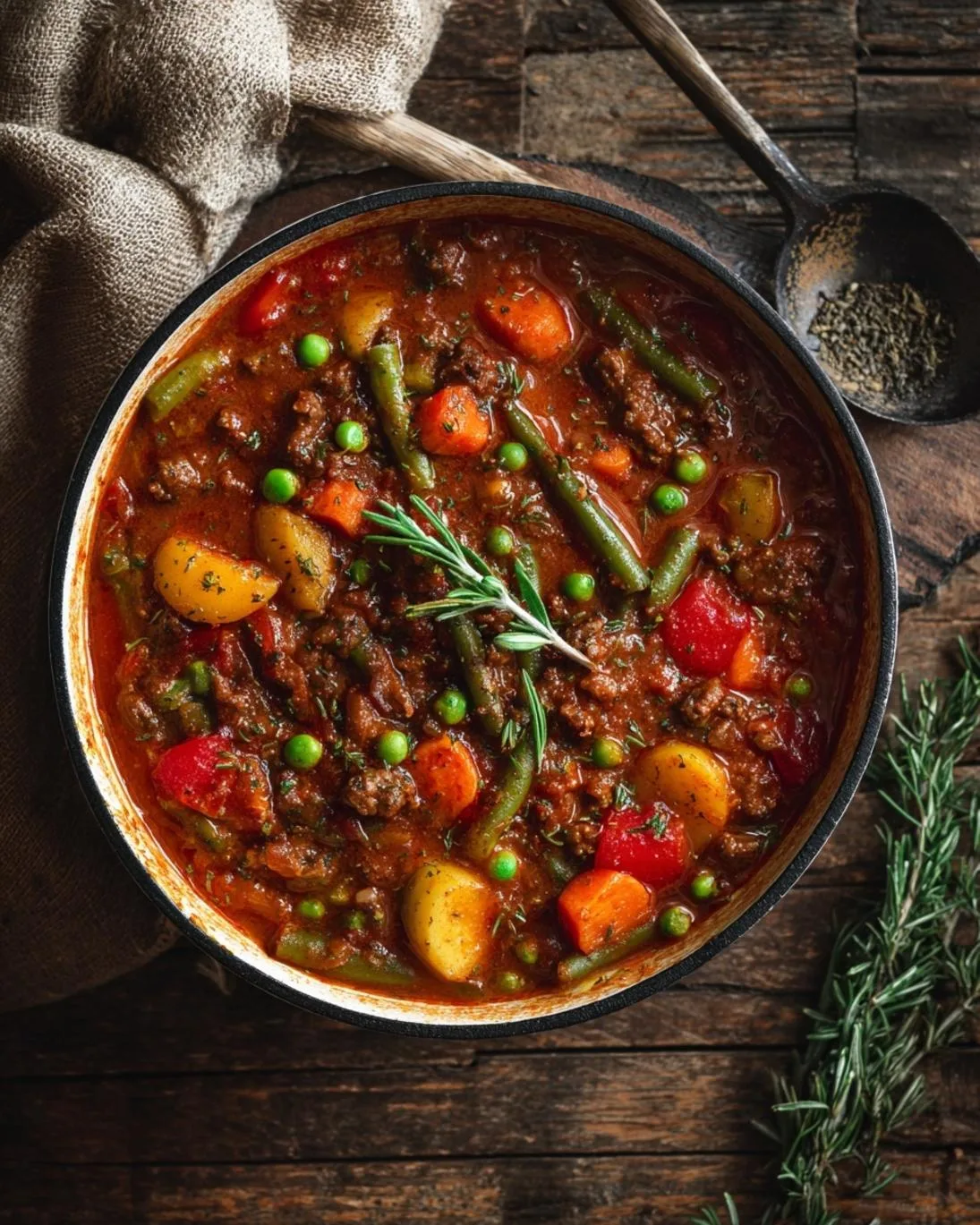
- Plant-Based: Replace chicken with baked tofu, tempeh, or a hearty lentil loaf. For a creamy vegetable boost, you could even include a side of cozy autumn vegetable soup.
- Gluten-Free: Ensure all grains, sauces, and spices are certified gluten-free.
- Dairy-Free: Opt for nutritional yeast instead of feta cheese, and use plant-based yogurts for dressings.
Consider spiraling zucchini into “zoodles” as a fresh and light alternative to traditional pasta bases, perfect for a lighter lunch.
Serving Suggestions
Presentation matters, even for meal prepping!
- Bowls: Layer your protein, grains, and roasted vegetables in wide, shallow bowls. Add fresh greens on top, and a drizzle of dressing just before eating.
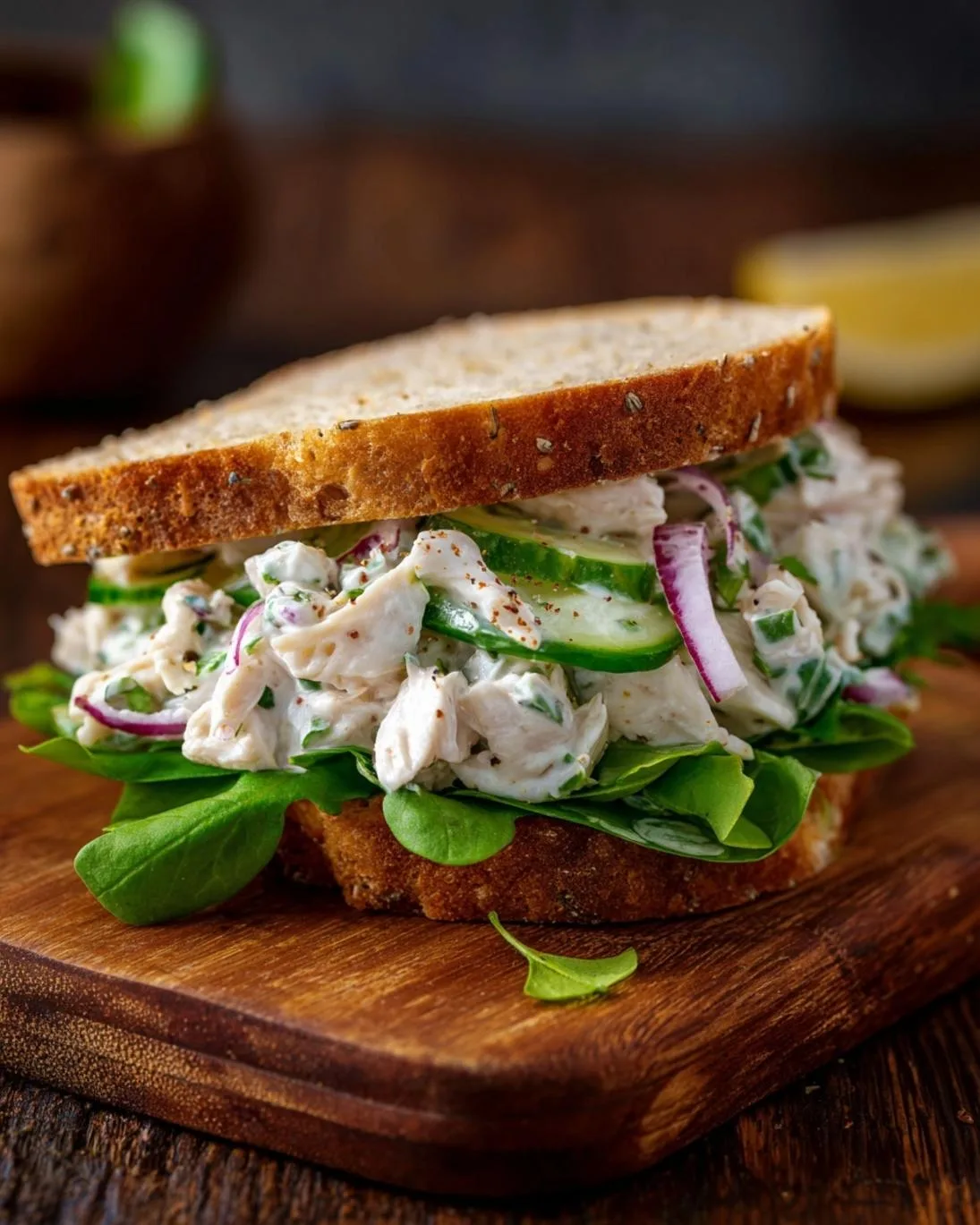
- Wraps/Pitas: Shred cooked chicken or turkey, mix with a touch of hummus and chopped veggies, and stuff into whole-wheat tortillas or pita bread.
- Salad Jars: Layer dressing at the bottom, followed by hardier vegetables (like bell peppers), grains, protein, and finally greens on top. This keeps everything fresh and prevents sogginess.
- Deconstructed: For variety, keep components separate and assemble at work. This is particularly useful for salads where you want crisp greens.
For an extra touch, pack a small container of fresh herbs like cilantro or parsley to sprinkle just before serving, enhancing both flavor and visual appeal.
Common Mistakes to Avoid
Even seasoned meal preppers can fall into common traps. Data indicates that over 40% of new meal preppers abandon the practice due to perceived complexity or food spoilage. Here’s how to avoid those pitfalls:
- Lack of Variety: Preparing the exact same meal for five days can lead to meal fatigue. Combat this by varying your protein seasonings, vegetable combinations, or adding different sauces each day.
- Improper Cooling: Always ensure all cooked components are completely cooled before sealing them in containers and refrigerating. Packing warm food traps moisture, which can accelerate bacterial growth and spoil your food.
- Under-seasoning: Bland food is never appealing. Don’t be shy with herbs, spices, and a good quality salt. Taste as you go!
- Ignoring Texture: Some foods, like delicate greens or sliced avocado, don’t hold up well when prepped too far in advance. Pack these separately.
- Incorrect Portioning: Over-portioning can lead to wasted food or overeating, while under-portioning leaves you hungry. Use kitchen scales or measuring cups initially to get accurate portions. A common mistake is misjudging the size of a serving; for example, a cup of cooked quinoa is significantly smaller than a cup of raw quinoa.
Avoiding these common errors will make your meal prep lunch ideas for the work week not only sustainable but enjoyable.
Storage Tips
Proper storage is paramount to food safety and maintaining freshness for your prepped meals.
- Airtight Containers: Invest in high-quality, BPA-free airtight containers. Glass containers are ideal as they don’t stain, are microwave and oven safe (without lid), and can be easily cleaned.
- Refrigeration: Most meal prep lunches featuring cooked protein and grains will stay fresh in the refrigerator for 3-4 days. For optimal freshness, try to consume them within this timeframe.
- Freezing: For longer storage, certain components like cooked chicken, ground meat, or roasted root vegetables can be frozen for up to 3 months. Always cool completely before freezing.
- Separate Wet and Dry: If prepping salads or meals with dressings, store the dressing separately and add just before eating to prevent soggy greens. Similarly, if packing something like a protein bowl, keep crunchy toppings separate until serving.
- Labeling: Though not always necessary for a weekly prep, if you’re batch cooking for longer periods, labeling containers with the date and contents can be very helpful.
Conclusion
Embarking on a meal prep journey for your work week lunches is more than just about saving money – it’s about investing in your health, reclaiming precious time, and bringing intention to your daily sustenance. By following these practical meal prep lunch ideas for the work week, you’re setting yourself up for a week of delicious, nutritious, and stress-free eating. Imagine the satisfaction of opening your fridge each morning to a perfectly portioned, enticing lunch, knowing you’ve made a conscious choice for your well-being. Don’t let the thought of cooking for a whole week intimidate you; with a little planning and these strategies, you’ll be a meal prep master in no time.
We encourage you to try these ideas and customize them to fit your unique taste and dietary needs. Share your creations with us in the comments below, or explore other fantastic recipes on our site! Perhaps you’re looking for some spooky Halloween party snacks for an upcoming event, or simply more ways to make your home cooking exciting.
FAQ
Q1: How long do meal prepped lunches last in the fridge?
A1: Most cooked and properly stored meal prep lunches will last 3-4 days in a refrigerator maintained at 40°F (4°C) or below. Always use your best judgment – if something looks or smells off, it’s best to discard it.
Q2: Can I freeze these meal prep lunches?
A2: Yes, many components can be frozen! Cooked proteins (chicken, ground meat), roasted vegetables, and grains like quinoa or brown rice freeze well. It’s often best to freeze individual components rather than fully assembled meals to maintain texture. Thaw overnight in the refrigerator before reheating.
Q3: What are the best containers for meal prepping?
A3: Glass containers with airtight lids are highly recommended due to their durability, ease of cleaning, and ability to go from fridge to microwave/oven safely. BPA-free plastic containers are also a good option, especially for portability.
Q4: How do I prevent my prepped meals from getting soggy?
A4: The key is separation. Store dressings, sauces, and fresh greens separately from cooked components. For dishes like salads, layer ingredients carefully with dressing at the bottom and greens on top. Allow all cooked food to cool completely before sealing.
Q5: What if I get bored of eating the same thing every day?
A5: Variety is key! Instead of prepping five identical meals, aim for 2-3 different meal combinations each week. You can also vary seasonings, add different sauces or toppings daily, or switch up your grain or vegetable choices to keep things exciting.
Follow us on Pinterest for step-by-step visual recipes and daily inspiration