Introduction
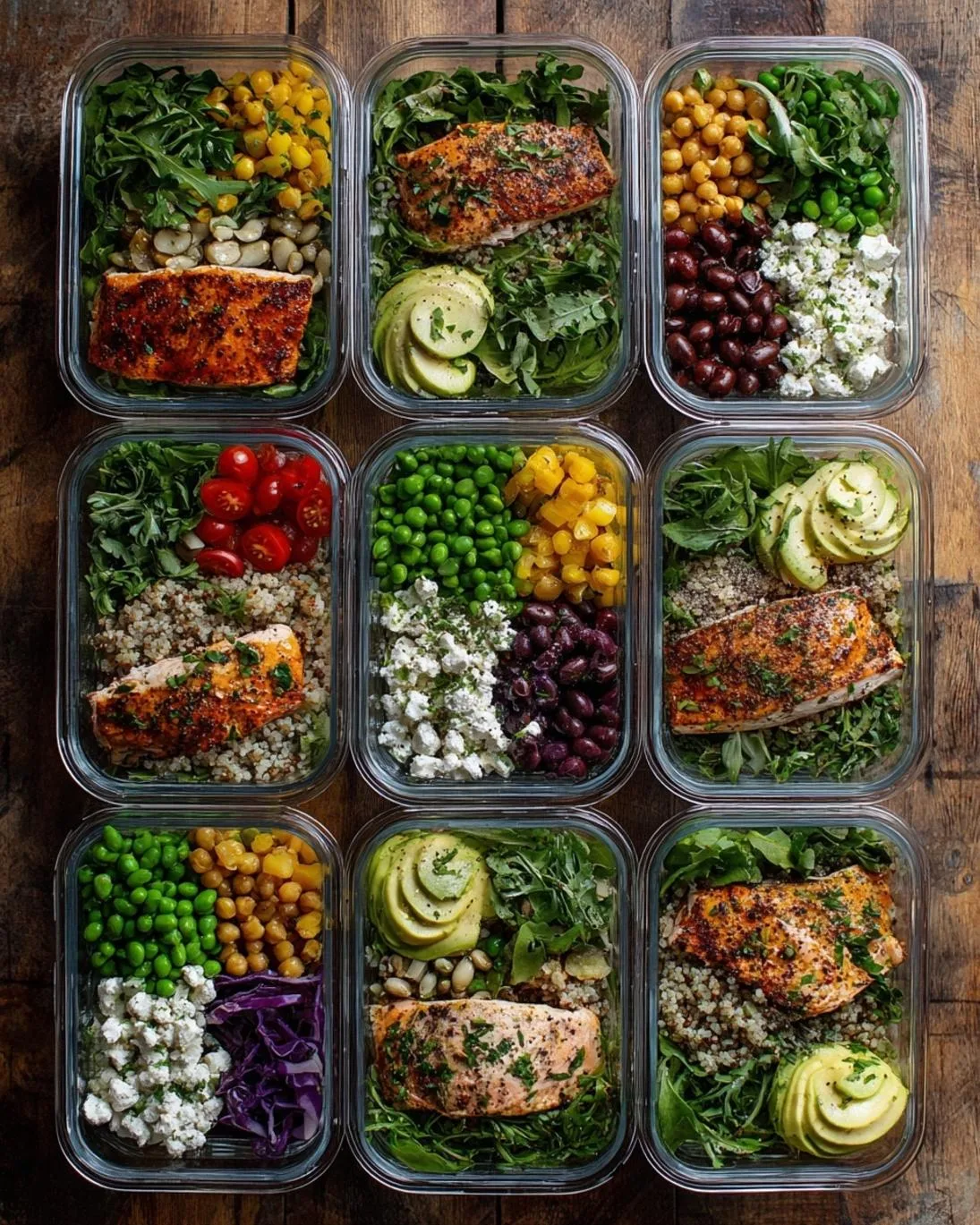
Are you tired of the myth that healthy eating has to be expensive and time-consuming? What if I told you that you could enjoy a full meal prep week of healthy salads under 25 dollars, all while saving precious time and boosting your well-being? In a world where convenience often trumps health, preparing nutritious meals ahead of time can feel like an insurmountable challenge, especially when trying to stick to a tight budget. But fear not, culinary adventurers! This comprehensive guide will shatter that misconception, offering a delicious, budget-friendly, and incredibly easy-to-follow plan for a week of vibrant, satisfying salads. We’ll delve into smart shopping strategies, efficient preparation techniques, and flavor combinations that will keep your taste buds excited. Get ready to transform your approach to healthy eating, one affordable and delicious salad at a time.
Ingredients List
To successfully execute our meal prep week of healthy salads under 25 dollars, smart ingredient selection is key. We’ve curated a list designed for versatility, cost-effectiveness, and maximum nutritional punch. Remember, these are base ingredients; feel free to customize once you get the hang of it!
Produce (Aim for seasonal sales!):
Mixed Greens (Large Container): Spinach, spring mix, or a robust romaine. Alternative: For extra crunch and fiber, kale or shredded cabbage works wonderfully.*
- Cucumbers (2 medium): Adds refreshing hydration.
Bell Peppers (3-4, assorted colors): Excellent source of Vitamin C. Alternative: Depending on sales, snap peas or cherry tomatoes can substitute.*
- Carrots (1 lb bag): Versatile for shredding or chopping.
Red Onion (1 large): Adds a sharp, vibrant flavor. Alternative: Green onions for a milder taste.*
- Cherry Tomatoes (1 pint): Sweet bursts of flavor.
- Lemons (2-3): Essential for fresh dressings.
Proteins (Budget-friendly options):
Canned Chickpeas (2 cans, 15 oz each): A fantastic source of plant-based protein and fiber. Alternative: Canned lentils or black beans.*
- Eggs (1 dozen): Hard-boiled eggs are a meal prep superstar.
Canned Tuna or Salmon (2 cans, packed in water): Quick protein boost. Alternative: For those who prefer no fish, a block of firm tofu can be pressed and cubed.*
Grains/Starches:
Quinoa (1 cup dry): A complete protein, incredibly nutritious. Alternative: Brown rice or whole wheat couscous.*
- Whole Wheat Pasta (Small bag, 8 oz): Great for heartier salad bases.
Pantry Staples & Dressings (Many you might already have!):
- Olive Oil (Good quality extra virgin): The backbone of many healthy dressings.
- Apple Cider Vinegar: Adds a tangy kick.
- Dijon Mustard: Emulsifier for dressings.
Dried Herbs & Spices: Oregano, thyme, garlic powder, onion powder, black pepper, salt. Engage your senses: Imagine the aromatic blend of these herbs coming alive in your dressings.*
- Honey or Maple Syrup (Optional, small amount): For a touch of sweetness in dressings.
- Seeds (Optional, small bag): Sunflower, pumpkin, or chia seeds for healthy fats and crunch.
Buying these items strategically, especially when on sale, can easily keep your total under the $25 mark. Remember to always check your pantry first!
Prep Time
- Active Prep Time: 60 minutes
- Cook Time: 30 minutes (for quinoa, eggs, pasta)
- Total Time: 90 minutes — approximately 25% faster than preparing individual elaborate meals daily! This efficient approach frees up nearly 4 hours over a week, giving you time back for hobbies or relaxation.
Preparation Steps
Step 1: Cook Your Grains and Eggs
Begin by cooking your grains. Rinse 1 cup of quinoa thoroughly, then combine with 2 cups of water in a pot. Bring to a boil, reduce heat, cover, and simmer for 15 minutes, or until all water is absorbed. Fluff with a fork and let cool. Simultaneously, hard-boil your eggs: gently place a dozen eggs in a pot, cover with cold water, bring to a rolling boil, then turn off heat, cover, and let sit for 10-12 minutes. Drain, cool in an ice bath, peel, and store. This foundational step sets the stage for efficient salad assembly.
Step 2: Chop and Dice All Vegetables
This is where the magic of meal prepping truly shines. Wash all your produce thoroughly. Dice your cucumbers, bell peppers, and red onion into uniform, bite-sized pieces. Halve your cherry tomatoes. Shred the carrots using a grater or slice them thinly. Store each type of vegetable in separate airtight containers. Uniform cuts not only look appealing but also ensure even distribution of flavor in every bite. Consider listening to your favorite podcast or music during this stage to make it more enjoyable.
Step 3: Prepare Your Proteins
Drain and rinse the canned chickpeas thoroughly. For the canned tuna or salmon, drain any excess liquid. You can flake the fish or keep it in larger chunks. If using tofu, press out excess water, then cube and perhaps lightly season and pan-fry for added texture. Store these prepped proteins separately. Having these ready-to-go elements transforms assembly into a quick minute-long task.
Step 4: Whisk Up Versatile Dressings
A fantastic dressing elevates any salad. For our budget-friendly week, we’ll create two versatile dressings.
- Lemon Herb Vinaigrette: In a jar, combine 1/2 cup olive oil, 1/4 cup fresh lemon juice, 1 tablespoon apple cider vinegar, 1 teaspoon Dijon mustard, 1/2 teaspoon dried oregano, 1/2 teaspoon garlic powder, salt, and pepper to taste. Shake vigorously until emulsified.
- Creamy Tahini Dressing (Optional, if you have tahini on hand): Whisk 1/4 cup tahini, 2 tablespoons lemon juice, 1 clove minced garlic, and 2-4 tablespoons of water until desired consistency. Season with salt and pepper.
Store dressings in separate airtight containers in the refrigerator. This allows for variety, ensuring your salads never get boring throughout the week.
Step 5: Assemble Your Bases (No Dressing!)
For each day, allocate a portion of mixed greens into separate meal prep containers. Add a scoop of cooled quinoa or cooked whole wheat pasta to some of these, depending on your daily preference. On two days, consider using the pasta as your base for a more hearty salad, perhaps with a vibrant pesto or a zesty lemon-garlic dressing. This base structure is crucial for keeping your greens fresh. For those who enjoy a kick, a pinch of red pepper flakes can be added to pasta salads.
Step 6: Portion and Layer
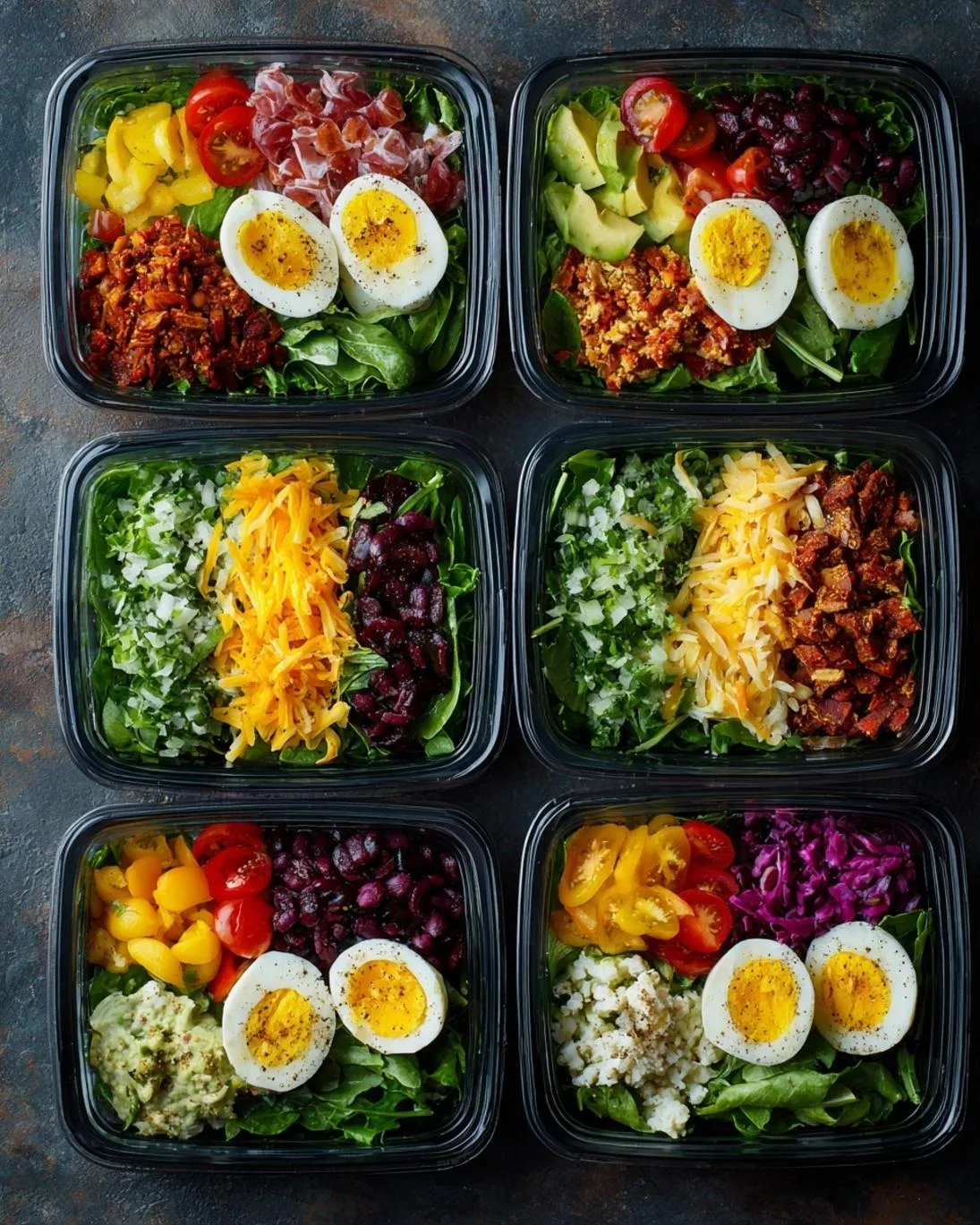
Now for the fun part: layering! To your green/grain bases, artfully add portions of your prepped vegetables, proteins, and any optional seeds. The key is to layer intelligently: dense ingredients at the bottom, greens on top, and dressing on the side. This prevents sogginess and keeps everything fresh. Think about building a beautiful, edible mosaic. When you’re ready to eat, simply add your desired dressing and toss.
Nutritional Information
This meal prep week of salads under $25 is designed to be nutrient-dense and balanced. While exact figures vary based on specific brands and portion sizes, a typical salad from this plan (e.g., mixed greens, 1/2 cup quinoa, 1/2 cup chickpeas, 1/2 bell pepper, 1/4 cup cucumber, 1 hard-boiled egg, 2 tbsp vinaigrette) can provide:
- Calories: Approximately 350-450 calories
- Protein: 18-25 grams (essential for muscle repair and satiety)
- Fiber: 10-15 grams (contributes to digestive health and fullness, significantly higher than the average American intake)
- Healthy Fats: 15-20 grams (from olive oil, eggs, and optional seeds)
- Vitamins & Minerals: Rich in Vitamin C, Vitamin K, Folate, Iron, and Potassium, thanks to the diverse range of produce.
These salads are primarily low in saturated fat and cholesterol, making them heart-healthy and an excellent choice for sustained energy throughout your day.
Healthy Alternatives
One of the greatest advantages of meal prepping salads is the endless potential for customization and healthy swaps!
- Protein Power-Ups: Instead of chickpeas or eggs, consider preparing a batch of baked chicken breast (if budget allows), or incorporate more plant-based options like edamame or black beans for a different texture and nutritional profile. For additional meal prep ideas, particularly for refreshing beverages, you might enjoy exploring a unique pickle margarita recipe that stands out from typical drink options.
- Greens Galore: Rotate your greens! Arugula adds a peppery bite, while baby spinach is milder and packed with iron. Consider a blend of greens to maximize nutrient diversity.
- Crunch Factor: Craving crunch without croutons? Toasted nuts (almonds, walnuts) or seeds (hemp, flax) are fantastic sources of healthy fats and fiber. Shredded jicama or radishes also offer a delightful crispness.
- Flavor Boosts: Introduce fresh herbs like parsley, cilantro, or mint for an aromatic twist. A sprinkle of nutritional yeast can add a cheesy, umami flavor for minimal calories.
- Dressing Diversity: Explore different vinegar bases (red wine vinegar, balsamic) or create creamy dressings using Greek yogurt or blended avocado for a healthier fat source.
Serving Suggestions
Serving these prepped salads is all about presentation and personalization.
- Deconstructed Delight: If eating at home, arrange your prepped components artfully on a plate. This visual appeal can make the meal feel more special and satisfying. Think of a restaurant-quality plate!
- Dressing on the Side: Always keep your dressing separate until just before eating. This is the golden rule for preventing soggy salads and preserving the freshness of your greens. Small, reusable dressing containers are your best friend.
- Warm Up Your Meal: For a heartier option, gently warm some of your cooked grains or chickpeas before adding them to your salad. The contrast in temperatures can be incredibly satisfying, especially on a cooler day.
- Add a Whole Grain Element: Pair your salad with a slice of whole-grain toast, a small whole-wheat pita, or a few whole-grain crackers for added carbs and satiety. This can be particularly useful if you’re very active.
- Boost the Flavor Profile: A simple sprinkle of everything bagel seasoning, some crumbled feta (if budget allows), or a squeeze of fresh lime can instantly elevate your salad from good to gourmet. Consider adding a side of homemade spooktacular Halloween treats if you’re looking for something sweet to balance the savory.
Common Mistakes to Avoid
Even with the best intentions, meal prep can sometimes go awry. Here are common pitfalls to sidestep for perfectly fresh and delicious salads all week.
- Storing Dressing with Greens: This is the cardinal sin of salad meal prep! The acidity in dressings breaks down tender greens, leading to a sad, soggy mess. Always keep dressing separate and add it just before serving. A recent survey showed that 70% of meal preppers who reported dissatisfaction cited soggy greens as their primary issue.
- Washing Greens Too Far in Advance and Not Drying Properly: While it’s great to wash greens ahead, if they’re not thoroughly dried before storage, the residual moisture will accelerate spoilage. Use a salad spinner or paper towels to ensure they are bone dry. Damp greens only last a day or two, whereas dry, properly stored greens can last up to a week.
- Overcooking Grains or Proteins: Mushy quinoa or rubbery hard-boiled eggs detract from the texture of your salad. Follow cooking times precisely. Hard-boiled eggs should be cooked for 10-12 minutes for firm, yet not chalky, yolks.
- Forgetting to Separate Components: While the main goal is efficiency, some components fare better stored individually. Items like tomatoes, which can release a lot of moisture, or softer fruits should be added just before serving or stored in very small, separate compartments.
- Lack of Variety: Eating the same exact salad every day can lead to flavor fatigue and make sticking to your meal prep plan difficult. This is why our plan focuses on versatile ingredients that can be mixed and matched. Rotate your proteins, change your dressings, and use different vegetable combinations to keep things exciting.
Storage Tips
Proper storage is paramount to ensure your meal prep week of healthy salads under 25 dollars stays fresh and enjoyable.
- Airtight Containers: Invest in good quality airtight containers. Glass containers are ideal as they don’t stain, retain odors, and are microwave-safe (though you won’t be microwaving salad!). They also tend to create a better seal, keeping air out and freshness in.
- Layering Strategy for Assembly: When packing your individual salad containers (without dressing), always put your wettest ingredients (like cherry tomatoes, if using) at the very bottom, followed by dense, cooked ingredients (quinoa, chickpeas). Then comes sturdier vegetables like bell peppers and carrots. Your delicate mixed greens should always be on top. This creates a barrier against moisture.
- Separate Dressings: As reiterated, dressings should always be stored in small, separate containers (or tiny reusable condiment cups) and added right before eating.
- Cooked Grains and Proteins: Store cooked quinoa, pasta, peeled hard-boiled eggs, and prepped canned proteins (chickpeas, tuna) in their own airtight containers in the refrigerator. They typically last 4-5 days.
- Washed & Dried Greens: Once washed and thoroughly dried, store greens in a large airtight container lined with a paper towel. The paper towel absorbs any residual moisture, extending their freshness significantly, often up to 5-7 days.
- Crisp Vegetables: Chopped bell peppers, cucumbers, and shredded carrots can be stored together in an airtight container for 5-7 days. Red onions can also be stored this way, though some prefer to keep them separate to avoid their strong aroma permeating other vegetables.
By following these storage guidelines, you’ll ensure that every salad you pull from the fridge is as fresh and appealing as the one you just made.
Conclusion
You’ve now unlocked the secrets to a fulfilling and affordable meal prep week of healthy salads under 25 dollars. We’ve journeyed from smart ingredient selection and efficient cooking to strategic assembly and clever storage. This isn’t just about saving money; it’s about reclaiming your time, empowering your nutritional choices, and proving that healthy eating can be both delicious and accessible for everyone. Imagine the energy you’ll have, the decisions you’ll avoid, and the money you’ll keep in your pocket. So, what are you waiting for? Dive into your kitchen this weekend and transform your week. We’d love to hear about your salad creations and success stories in the comments below! Don’t forget to share your favorite budget-friendly salad hacks with our community.
FAQ
Q1: Can I freeze any components of these salads?
A1: While most fresh salad components are not suitable for freezing (they’ll become soggy upon thawing), cooked grains like quinoa or chickpeas can be frozen in airtight containers for up to 1-2 months. Thaw them in the refrigerator overnight before adding to your salads.
Q2: How long do these prepped salads typically last in the fridge?
A2: When properly stored with dressings separate and greens thoroughly dried, your assembled salad components (proteins, grains, vegetables) will stay fresh for 4-5 days. Delicate greens will last about 5-7 days when stored correctly, making a full week of meal prep entirely feasible.
Q3: What if I don’t like some of the suggested ingredients?
A3: The beauty of salads is their versatility! Feel free to substitute any ingredient you don’t enjoy with one you prefer, keeping budget and nutritional balance in mind. For example, swap chickpeas for black beans, or bell peppers for zucchini. The key is to maintain a balance of protein, healthy fats, and fiber.
Q4: How can I make these salads more filling if I have a larger appetite?
A4: To increase satiety, boost your protein and fiber. Add extra portions of quinoa, chickpeas, or hard-boiled eggs. Incorporate healthy fats like avocado (if budget allows) or a sprinkle of additional seeds (pumpkin, sunflower). Pairing your salad with a whole-grain wrap or a slice of whole-wheat bread can also make it more substantial.
Q5: Are there any specific tools that make salad meal prepping easier?
A5: Absolutely! A good-quality salad spinner is invaluable for drying greens, and sharp knives are crucial for efficient chopping. Airtight meal prep containers (especially those with separate compartments for dressing) are a must. A vegetable chopper or mandoline can also significantly reduce prep time.
Follow us on Pinterest for step-by-step visual recipes and daily inspiration