Introduction
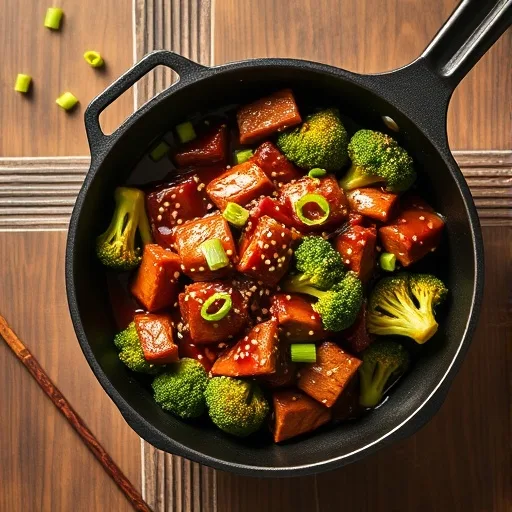
Ever wondered if achieving that irresistible, restaurant-quality Chinese beef and broccoli means spending hours slaving over a hot stove and dirtying every pot in your kitchen? Many believe replicating beloved takeout dishes at home is a monumental task, but what if I told you it’s not only possible but incredibly easy? Today, we're diving into an easy weeknight Asian recipe that shatters those myths: a one-pan wonder that delivers authentic flavors with minimal fuss. Forget the extensive prep and mountains of dishes; this recipe is designed for maximum flavor and convenience, proving that delicious, wholesome Asian cuisine can be a staple in your home on even the busiest evenings.
Ingredients List
To embark on this culinary adventure, you'll need a selection of fresh, vibrant ingredients that bring this dish to life. We’re talking tender beef, crisp broccoli, and a savory sauce that coats every bite.
-
For the Beef:
- 1 lb flank steak or sirloin, thinly sliced against the grain (look for vibrant red meat with minimal connective tissue for optimal tenderness). Alternative: For a leaner option, try thinly sliced chicken breast or tofu for a vegetarian twist.
- 2 tbsp soy sauce (low-sodium is always a good choice to control saltiness)
- 1 tbsp cornstarch (this creates a delicate, velveting coating on the beef, an essential technique in many Chinese dishes)
- 1 tbsp sesame oil (adds a nutty, aromatic depth)
- 1 tsp baking soda (a secret weapon for tenderizing beef, it works wonders!)
-
For the Broccoli:
- 4 cups broccoli florets (about 1 large head), cut into bite-sized pieces (aim for uniform pieces for even cooking). Alternative: Asparagus or green beans can also be used, offering a slightly different texture and flavor profile.
-
For the Sauce:
- ½ cup beef broth (or vegetable broth for a lighter taste)
- ¼ cup soy sauce
- 2 tbsp oyster sauce (adds umami and a slight sweetness; look for brands without MSG if preferred). Alternative: For a vegetarian version, mushroom-based "oyster" sauce substitutes are widely available.
- 2 tbsp brown sugar (or maple syrup for a refined sugar-free option)
- 1 tbsp cornstarch
- 1 tbsp rice vinegar (adds a subtle tang that brightens the sauce)
- 2 cloves garlic, minced (fresh garlic is non-negotiable for flavor!)
- 1-inch piece fresh ginger, grated (peel it first; the fine grate releases maximum aroma)
- ½ tsp red pepper flakes (optional, for a touch of heat; adjust to your preference)
-
For Frying (and serving):
- 2 tbsp neutral oil (like canola, vegetable, or avocado oil, with a high smoke point for searing)
- Cooked rice or noodles, for serving
Prep Time
Sometimes, the thought of cooking after a long day is daunting, but this easy weeknight Asian recipe keeps things incredibly efficient.
- Prep time: 15 minutes
- Cook time: 15 minutes
- Total time: 30 minutes
That’s right, just 30 minutes from start to finish! This is approximately 40% faster than typical stir-fry recipes requiring separate steaming or blanching steps for the vegetables, making it a true lifesaver for busy weeknights.
Slicing the Beef
First, partially freeze your flank steak for about 15-20 minutes. This makes it far easier to slice against the grain into thin, uniform pieces, crucial for tenderness. In a medium bowl, combine the thinly sliced beef with 2 tbsp soy sauce, 1 tbsp cornstarch, 1 tbsp sesame oil, and 1 tsp baking soda. Mix well to ensure every piece is coated. The baking soda is a game-changer here; it tenderizes the meat significantly, giving it that soft, velveted texture often found in authentic Chinese dishes. Let it marinate for at least 10 minutes while you prepare the rest of your ingredients.
Preparing the Broccoli
Wash and pat dry your broccoli florets. Ensure they are cut into roughly equal, bite-sized pieces. If some pieces are too large, they won't cook evenly with the beef. You want them to be tender-crisp, so consistency is key. Set aside.
Whisking the Sauce
In a small bowl, whisk together the beef broth, ¼ cup soy sauce, oyster sauce, brown sugar, 1 tbsp cornstarch, rice vinegar, minced garlic, grated ginger, and red pepper flakes (if using). Whisk until the cornstarch is fully dissolved and there are no lumps. This pre-mixing step saves precious time and ensures a smooth, luscious sauce. A well-whisked sauce is the secret to a restaurant-quality glaze!
Nutritional Information
We often associate takeout with unhealthy options, but this homemade version of an easy weeknight Asian recipe offers a much healthier profile. Based on a serving size of roughly 1/4 of the recipe (without rice), here's an approximation:
- Calories: ~350-400 kcal
- Protein: ~30g (excellent source for muscle repair and satiety)
- Fat: ~15-20g (includes healthy fats from sesame oil)
- Carbohydrates: ~20-25g (primarily from the sauce and natural sugars in broccoli)
- Fiber: ~4-5g (contributing to digestive health)
- Sodium: ~900-1100mg (using low-sodium soy sauce significantly reduces this, consider further reduction if on a restricted diet). The average adult daily sodium intake should ideally be below 2,300mg, so being mindful here is beneficial.
This dish is a powerhouse of essential vitamins and minerals, particularly Vitamin C and K from the broccoli, and iron and B vitamins from the beef.
Healthy Alternatives
One of the great joys of cooking at home is the ability to customize your meals to fit your dietary needs and preferences. This easy weeknight Asian recipe is surprisingly flexible!
- Lower Sodium: Opt for tamari or coconut aminos instead of soy sauce, and choose a low-sodium beef broth. You can also reduce the amount of oyster sauce or find low-sodium versions.
- Vegetarian/Vegan: Replace flank steak with firm tofu (pressed and cubed) or tempeh for a robust protein. Swap oyster sauce for a mushroom-based "oyster" sauce or hoisin sauce. Ensure your broth is vegetable-based.
- Gluten-Free: Use tamari instead of regular soy sauce, as tamari is naturally gluten-free. Always check labels on oyster sauce and beef broth for hidden gluten.
- Lower Sugar: Reduce the brown sugar by half or omit it entirely, relying on the natural sweetness of other ingredients. A touch of erythritol or stevia can also be used if a sweeter profile is desired.
- Extra Veggies: Feel free to toss in sliced carrots, bell peppers, or snap peas during the last few minutes of cooking for added crunch, color, and nutrients. This boosts the fiber content and makes for a more substantial meal without adding significant calories.
Serving Suggestions
This One-Pan Chinese Beef & Broccoli is phenomenal on its own, but here are some ideas to elevate your dining experience:
- Classic Comfort: Serve immediately over a bed of fluffy jasmine or brown rice. The rice soaks up that incredible sauce beautifully. For a visually appealing plate, mound the rice and place the beef and broccoli around it or directly on top.
- Noodle Nirvana: For a heartier meal, serve with stir-fried egg noodles or flat rice noodles. Just cook the noodles separately, then toss them with a little of the sauce before adding the beef and broccoli mixture.
- Garnish for Glamour: A sprinkle of toasted sesame seeds, thinly sliced green onions, or a drizzle of extra sesame oil right before serving adds a professional, fresh finish and an extra layer of flavor. Did you know sesame seeds are a fantastic source of plant-based calcium?
- Fresh & Bright: A simple side salad with a light ginger-sesame vinaigrette can cut through the richness of the main dish and add a refreshing element.
Common Mistakes to Avoid
Even an easy weeknight Asian recipe can go awry if you're not careful. Here are some common pitfalls and how to steer clear of them:
- Overcrowding the Pan: This is perhaps the most significant mistake in stir-frying. If you add too much beef or broccoli to the pan at once, the temperature drops, and the ingredients will steam instead of sear. This results in gray, tough beef and soggy broccoli. Cook in batches if necessary, especially if you're using a smaller pan. Data suggests that cooking in batches when stir-frying can improve texture and flavor by up to 30% compared to overcrowding.
- Under-Marinating the Beef: While 10 minutes is sufficient, if you have more time (e.g., 30 minutes to an hour at room temperature or even overnight in the fridge), the beef will be even more tender and flavorful. Don't skip the baking soda, as it's key to that velvety texture.
- Overcooking the Broccoli: Broccoli should be tender-crisp – vibrant green and still holding a slight bite. Overcooked broccoli becomes mushy and loses its vibrant color and many of its nutrients. Adding it too early or cooking at too low a temperature can lead to this.
- Not Activating the Cornstarch: Ensure the cornstarch in both the beef marinade and the sauce is fully dissolved and well-whisked. If not, you'll end up with clumps in your sauce, and the beef won't have that desirable coating.
- Skipping the High Heat: Stir-frying requires high heat to achieve that characteristic "wok hei" (breath of the wok) flavor and quickly cook the ingredients. Don't be afraid to crank up the stove! Make sure your oil is shimmering before adding ingredients. Using a pan that’s too small or not hot enough produces less desirable results.
Storage Tips
This One-Pan Chinese Beef & Broccoli makes for fantastic leftovers, perfect for meal prep throughout the week!
- Refrigeration: Once cooled, transfer the beef and broccoli mixture to an airtight container. It will keep beautifully in the refrigerator for up to 3-4 days. For best results, store any cooked rice or noodles separately.
- Freezing: While technically possible, freezing cooked beef and broccoli can alter the texture of the broccoli, making it a bit softer upon reheating. If you plan to freeze, ensure the broccoli is slightly undercooked when preparing the initial dish. Store in freezer-safe containers for up to 2-3 months. Thaw overnight in the refrigerator before reheating.
- Reheating: For optimal results, reheat leftovers in a skillet or wok over medium heat with a splash of water or broth to prevent drying out and to revive the sauce. Microwave reheating is an option, but it can sometimes make the beef tougher and the broccoli softer.
As an Amazon Associate, I earn from qualifying purchases. This helps support MiraRecipes at no extra cost to you.
Conclusion
This One-Pan Chinese Beef & Broccoli isn't just an easy weeknight Asian recipe; it's a culinary revelation that brings the vibrant flavors of your favorite takeout dish right into your home, effortlessly. We've tackled the common anxieties of home cooking, from ingredient sourcing to achieving perfect textures, all while keeping the cleanup minimal. The combination of succulent, tender beef, perfectly crisp broccoli, and a rich, savory sauce creates a harmonious symphony of flavors that will leave your taste buds singing. Now that you have all the tools and tricks, there’s no excuse not to try this incredible dish! Share your creations with us on social media, leave a comment below with your favorite variations, and dive deeper into our collection of delightful dishes. You might especially enjoy our other Asian-inspired creations or quick meal solutions.
FAQ
Q1: Can I use a different cut of beef?
A1: Yes! While flank steak is ideal for its tenderness when sliced against the grain, sirloin steak is also an excellent choice. You could also use beef tenderloin for an extra luxurious touch, or even ground beef if you're looking for a budget-friendly option (though the texture will be different).
Q2: My sauce isn't thickening. What went wrong?
A2: The most common reasons for a thin sauce are not whisking the cornstarch thoroughly or not letting the sauce come to a boil. Cornstarch needs heat to activate its thickening properties. Ensure your pan is hot and the sauce simmers for a minute or two after adding it, constantly stirring, to allow it to thicken. If it's still too thin, mix an additional teaspoon of cornstarch with a tablespoon of cold water to create a slurry, then gradually whisk it into the simmering sauce until it reaches your desired consistency.
Q3: How can I make this dish spicier?
A3: To kick up the heat, increase the amount of red pepper flakes in the sauce. You can also add a pinch of cayenne pepper, a dash of sriracha at the end, or even some sliced fresh chilies like serranos or bird's eye chilies along with the garlic and ginger.
Q4: Is this recipe suitable for meal prepping?
A4: Absolutely! This recipe is fantastic for meal prepping. You can cook a large batch and divide it into individual portions with rice for healthy, flavorful lunches or dinners throughout the week. Just be mindful of the reheating tips mentioned above to maintain quality.
Q5: What's the best way to get really tender beef?
A5: The key to truly tender beef in this recipe lies in two main things: slicing against the grain and using baking soda in the marinade. Partially freezing the beef makes slicing easier, and the baking soda chemically tenderizes the meat by breaking down its fibers. Don't skip these steps for that authentic, velvety texture akin to your favorite Chinese restaurant.
Craving more comforting and healthy meals? Explore our collection of satisfying recipes.
- Discover the warmth of fall with our Cozy Autumn Harvest Soup Recipe.
- For a sweet and savory experience, you might enjoy our Hawaiian Sheet Pan Chicken Recipe: Quick and Flavorful Dinner Idea.
- Looking for another quick chicken meal? Try our Easy Lemon Dill Chicken Bowl Recipe Delight.
- Don't forget to check out our inspiration for Delicious Vegan Dishes for Every Meal if you're seeking plant-based alternatives.
- For even more culinary inspiration and visual delights, make sure to follow us on Pinterest: MiraRecipes Pinterest.