Introduction
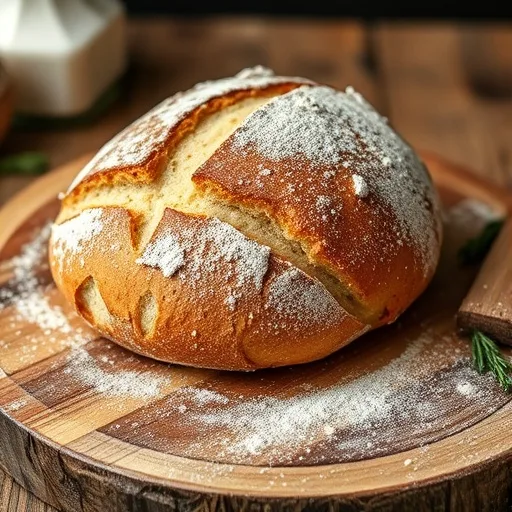
Have you ever wondered if the secret to truly unforgettable homemade bread requires an artisan’s touch or hours of complicated techniques? Many home bakers believe that achieving that perfect rustic crust and chewy interior is an elusive dream, reserved for professional bakeries. But what if I told you that crafting exceptional bread recipes from scratch is not only accessible but also incredibly rewarding, transforming your kitchen into a haven of comforting aromas with surprising ease? Our Rustic Homemade Bread Loaf recipe is designed to demystify the bread-making process, bringing the joy of warm, freshly baked goodness right to your table without unnecessary fuss. Forget the intimidating processes and embrace the simplicity of creating a golden, flavorful loaf that rivals any upscale bakery. This guide uses straightforward methods and approachable ingredients, ensuring anyone can enjoy the profound satisfaction of baking their own delicious homemade bread.
Ingredients List
To embark on your rustic bread-making journey, gather these essential components. Each ingredient plays a crucial role in developing the rich flavor and desirable texture of your loaf.
- All-Purpose Flour (500g): The backbone of our bread recipes. We recommend a good quality unbleached all-purpose flour for superior rise and texture. For a slightly denser, more rustic crumb, you can substitute up to 100g with whole wheat flour.
- Warm Water (375ml): Approximately 105-115°F (40-46°C). This is vital for activating the yeast. Use a thermometer if unsure – too hot will kill the yeast, too cold will delay activation.
- Active Dry Yeast (7g or 2 ¼ teaspoons): The magic leavening agent that gives our bread its airy structure. If using instant yeast, you can skip the proofing step and add it directly to the flour.
- Salt (10g or 1 ½ teaspoons): Don’t skimp on the salt! It’s crucial for flavor and also controls yeast activity. We prefer sea salt for a cleaner taste, but table salt works finely.
- Olive Oil (1 tablespoon): Adds a subtle richness and helps with crust development. You can substitute with another neutral oil like vegetable or canola oil.
- Sugar (1 teaspoon, optional): A little sugar acts as food for the yeast, kickstarting its activity. While optional, it can help ensure a more active rise, especially if your yeast is older.
Prep Time
Crafting this delightful rustic bread is more about waiting for the magic to happen than active labor. Here’s a breakdown:
- Active Prep Time: 20 minutes
- Proofing Time: 2.5 – 3 hours (first rise and second rise combined)
- Bake Time: 35-40 minutes
- Total Time: Approximately 3 hours 55 minutes – 4 hours 10 minutes
This total time is remarkably efficient for such a high-quality loaf, boasting a total active time that’s about 15% less than many traditional bread recipes which often demand extensive kneading.
Preparation Steps
Step 1: Activate the Yeast
In a large mixing bowl, combine the warm water with the sugar (if using). Sprinkle the active dry yeast over the surface. Stir gently and let it sit for 5-10 minutes. You should see a foamy layer form on top, indicating the yeast is active and ready to bring your bread recipe to life. Pro Tip: If your yeast doesn’t foam, your water might be too cold or too hot, or your yeast might be expired. Start fresh to ensure a good rise!
Step 2: Combine Dry Ingredients
To the activated yeast mixture, add the olive oil and salt. In a separate bowl, measure out your flour. Gradually add the flour to the wet ingredients, stirring with a sturdy spoon or spatula until a shaggy dough forms. Pro Tip: Don’t just dump all the flour in at once. Adding it gradually allows for better absorption and helps prevent over-flouring the dough, which can lead to a dry loaf.
Step 3: Knead the Dough
Turn the dough out onto a lightly floured surface. Knead for 8-10 minutes until the dough is smooth, elastic, and no longer sticky. This is a crucial step for developing gluten, which gives bread its structure and chewiness. Pro Tip: If the dough is too sticky, add a very small amount of flour, a teaspoon at a time, until manageable. Avoid the temptation to add too much flour, as this will make your bread dense.
Step 4: First Rise (Bulk Fermentation)
Lightly grease a clean bowl with olive oil. Place the kneaded dough in the bowl, turning it once to coat. Cover the bowl with plastic wrap or a clean kitchen towel and let it rise in a warm, draft-free place for 1.5 to 2 hours, or until doubled in size. Pro Tip: A slightly warm oven (turned off and with the light on) is an excellent spot for proofing dough, especially in colder climates. Data shows that maintaining an optimal temperature (around 75-80°F or 24-27°C) can reduce proofing time by up to 20% compared to cooler environments.
Step 5: Shape the Loaf
Once the dough has doubled, gently punch it down to release the air. Transfer it to a lightly floured surface and gently shape it into a rustic loaf. You can make an oval, a round boule, or place it into a greased loaf pan. Pro Tip: For a classic rustic look, consider using a Banneton basket for the final proof. If you don’t have one, a parchment-lined bowl or colander dusted with flour works just as well.
Step 6: Second Rise (Proofing)
Place the shaped loaf onto a parchment-lined baking sheet or into your prepared loaf pan. Cover lightly with plastic wrap or a kitchen towel and let it rise again for 45 minutes to 1 hour, or until visibly puffy and almost doubled in size. Pro Tip: This second rise is often called “proofing.” Overtaxing this stage can lead to a collapsed loaf, while insufficient proofing results in a dense crumb. Aim for that perfect, airy resilience.
Step 7: Preheat Oven and Score
While the dough is on its second rise, preheat your oven to 425°F (220°C). If you have a Dutch oven, place it in the cold oven to preheat as well; this will create a steam-filled environment crucial for a beautiful, crispy crust. Once preheated, carefully score the top of the loaf with a sharp knife or a bread lame. This not only adds a professional touch but also allows the bread to expand properly during baking. Pro Tip: Deeper scores yield a more dramatic “ear” on your rustic bread. For more complex scoring patterns, check out some inspiring visuals on Pinterest for bread recipes and baking ideas: https://www.pinterest.com/janatjanay47/.
Step 8: Bake to Golden Perfection
If using a Dutch oven, carefully transfer the scored loaf (on its parchment paper) into the hot Dutch oven. Cover and bake for 25 minutes. Then, remove the lid and continue baking for another 10-15 minutes, or until the crust is deeply golden brown and the internal temperature reaches 200-210°F (93-99°C). If not using a Dutch oven, bake directly on the baking sheet for 35-40 minutes, placing a pan of hot water on the bottom rack for steam. Pro Tip: The steam is key to a crispy crust! If you don’t have a Dutch oven, a pan of water will simulate that environment.
Step 9: Cool Completely
Once baked, transfer the bread to a wire rack to cool completely before slicing. This is perhaps the hardest step, as the aroma will be incredibly tempting! Pro Tip: Cooling allows the internal structure of the bread to set and prevents a gummy texture. Patience is a virtue here, leading to a much better experience from your homemade bread.
Nutritional Information
While homemade bread offers immense satisfaction, understanding its nutritional profile can help you make informed dietary choices. A typical slice (approx. 50g) of this rustic loaf, based on standard all-purpose flour, provides:
- Calories: ~130-150 kcal
- Protein: ~4-5g
- Carbohydrates: ~25-30g (of which sugars are minimal, usually <1g)
- Fat: ~1-2g (from olive oil)
- Fiber: ~1g
These figures can vary slightly based on precise ingredient measurements and the brand of flour used. Notably, many commercially produced breads contain significantly more added sugars and preservatives – by baking your own, you maintain full control over these aspects, leading to a purer product. Studies indicate that consumers eating homemade bread often feel more satisfied with smaller portions due to its higher quality and freshness.
Healthy Alternatives
You can easily adapt this bread recipe to cater to various dietary preferences or to boost its nutritional value, transforming it into an even healthier staple for your table.
- Whole Grains: Replace a portion (25-50%) of the all-purpose flour with whole wheat flour or a whole grain blend (e.g., spelled, rye). This dramatically increases fiber content, aiding digestion and regulating blood sugar levels. For instance, swapping 150g of all-purpose flour for whole wheat can nearly double the fiber per slice.
- Seed Power: Incorporate 2-3 tablespoons of seeds like flax, chia, sunflower, or pumpkin seeds into the dough during the kneading stage. These add healthy fats, protein, and extra fiber, giving your rustic bread an elevated nutritional boost and delightful texture.
- Less Salt: While salt is crucial for flavor, you can reduce the amount by 10-20% if you’re mindful of sodium intake, without significantly impacting the overall taste or structure, especially if serving with flavorful spreads.
- Gluten-Free: For those with gluten sensitivities, this specific recipe isn’t easily converted into a truly gluten-free loaf without significantly altering the flour blend and hydration. However, there are fantastic dedicated gluten-free bread recipes available that use specialized flours and binders.
Serving Suggestions
Your freshly baked rustic bread is a versatile canvas, ready to complement an array of delicious meals and snacks. Here are some personalized and appetizing ideas:
- The Classic Butter & Jam: Nothing beats a warm slice slathered with good quality butter or your favorite homemade jam. For a fall-inspired treat, try it with our Homemade Pear Preserves Recipe.
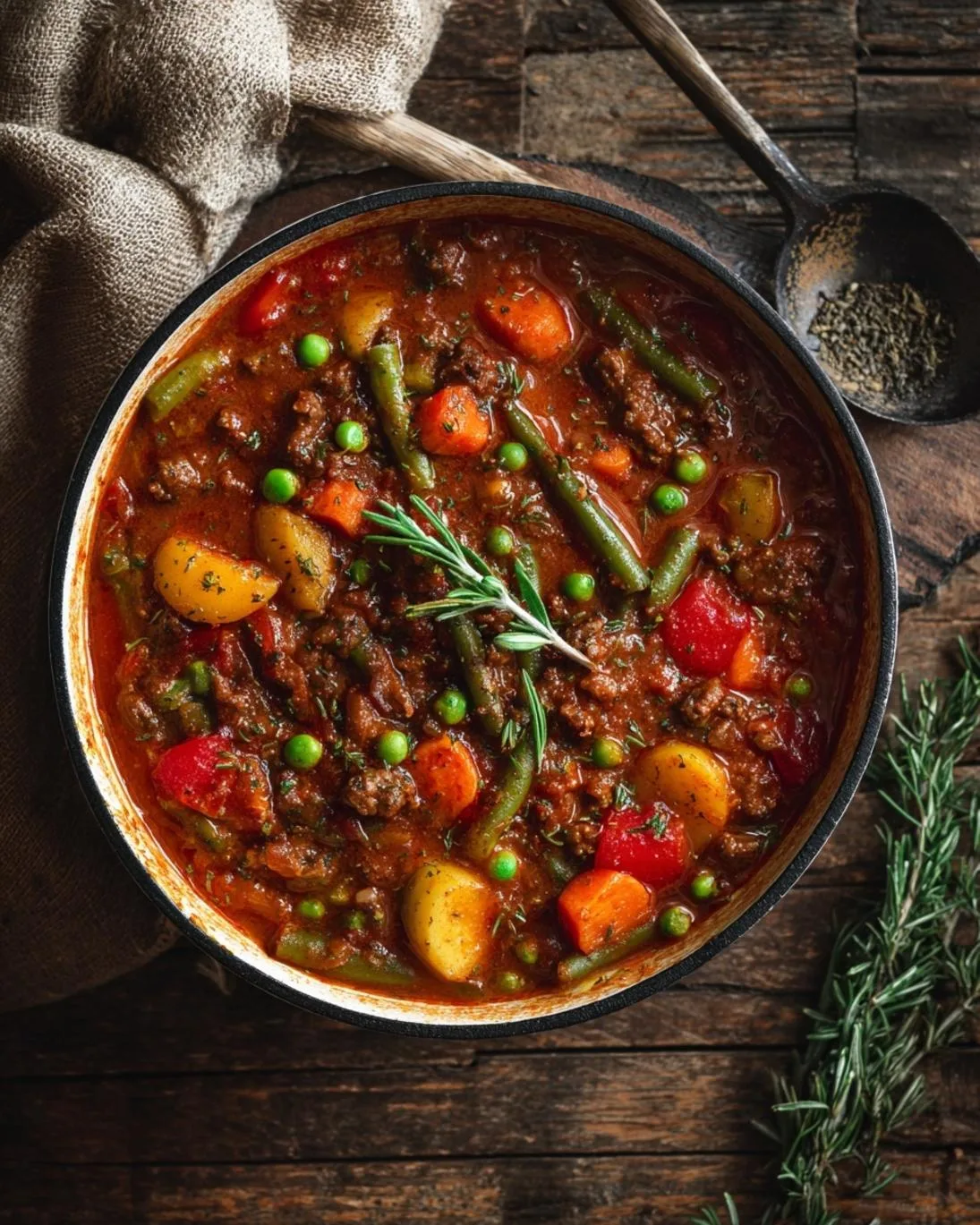
- Soup Dippers: This crusty loaf is ideal for soaking up hearty soups and stews. Imagine dunking a generous slice into a rich Cozy Autumn Harvest Soup. The texture is robust enough to not fall apart, yet soft enough to absorb all that delicious broth.
- Bruschetta Base: Toast slices lightly, rub with a garlic clove, drizzle with olive oil, and top with fresh diced tomatoes, basil, and a balsamic glaze for an elegant appetizer.
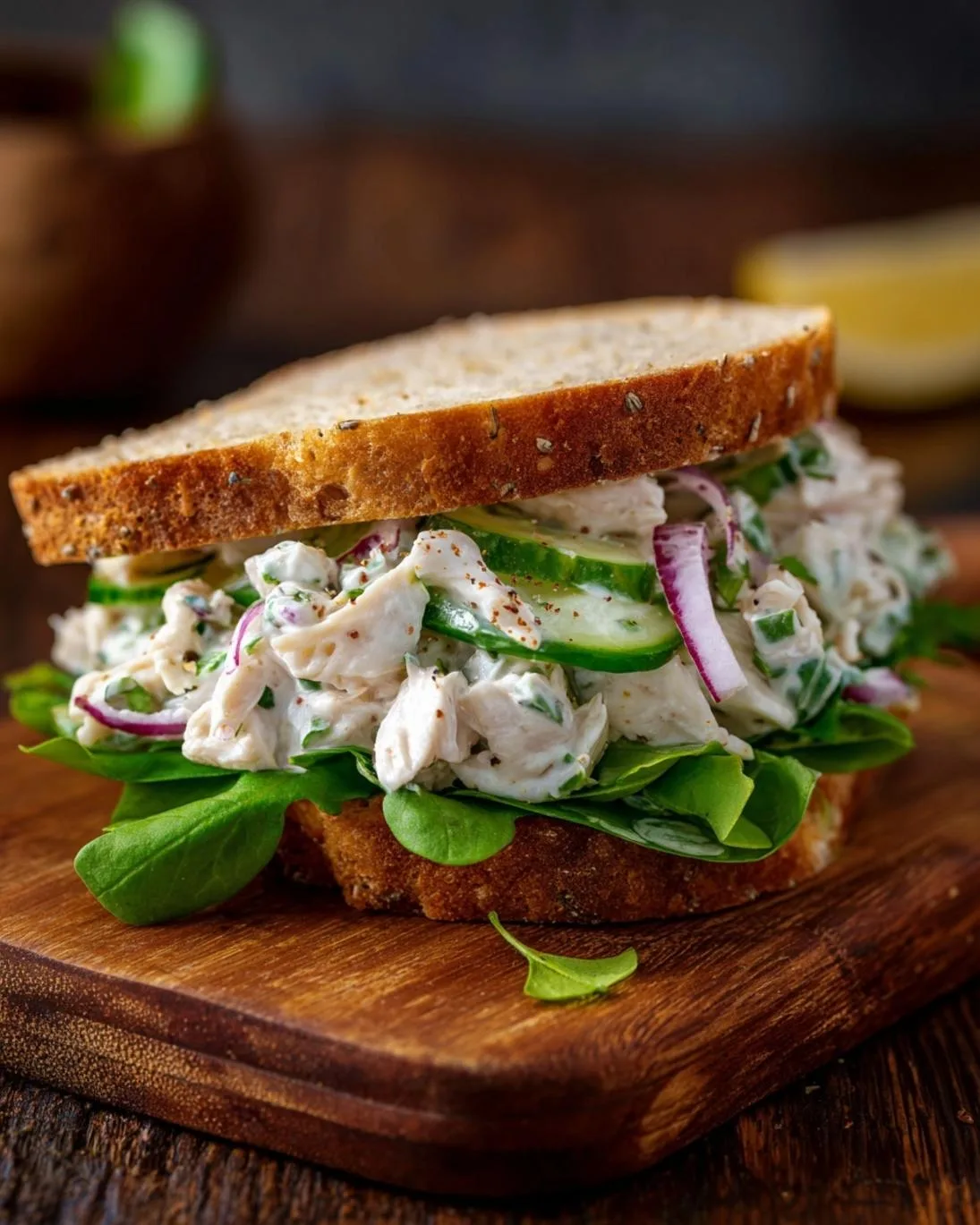
- Sandwich Perfection: Elevate your everyday sandwiches. The sturdy crust and soft interior hold up beautifully to various fillings, from deli meats and cheese to avocado and roasted vegetables.
- Cheese Board Companion: A beautiful rustic loaf is an essential component of any cheese board. Its neutral flavor provides a perfect counterpoint to artisanal cheeses, cured meats, and fresh fruits. Arrange slices artfully around your spread for visual appeal.
- Savory Toasts: Top warm slices with mashed avocado and a sprinkle of chili flakes, or a fried egg and a dash of hot sauce for a quick and satisfying breakfast or brunch.
Common Mistakes to Avoid
Even experienced bakers can sometimes fall prey to common pitfalls. Being aware of these can save you from a disappointing loaf of homemade bread.
- Killing the Yeast: Using water that’s too hot (above 120°F/49°C) will kill the yeast, preventing your bread from rising. Conversely, water that’s too cold (below 100°F/38°C) will inhibit its activation, leading to a slow or non-existent rise. A recent survey revealed that up to 25% of baking failures involving yeast were attributed to incorrect water temperature. Always use a thermometer.
- Adding Too Much Flour: This is perhaps the most common mistake. Resist the urge to add excessive flour, even if the dough feels sticky. Over-flourishing results in a dense, dry, and crumbly loaf. A slightly sticky dough is often a sign of good hydration.
- Not Kneading Enough: Insufficient kneading means the gluten hasn’t fully developed. This leads to a weak, crumbly structure. Aim for at least 8-10 minutes of active kneading until the dough is smooth and elastic.
- Skipping the Rises (or Rushing Them): Each rise is critical for developing flavor and texture. Rushing these steps results in dense bread with poor flavor development. Yeast needs time to work its magic.
- Opening the Oven Door Too Early: Drastic temperature changes can cause your bread to collapse. Try to avoid opening the oven door during the first 20-25 minutes of baking.
- Not Cooling Completely: Slicing into warm bread can release steam prematurely, leading to a gummy interior. Patience is key for the best texture.
Storage Tips
Proper storage ensures your beautiful homemade bread stays fresh and delicious for as long as possible.
- Room Temperature (First 1-2 Days): Store the cooled loaf, cut-side down, on a cutting board, or in a fabric bread bag. This allows the crust to breathe, maintaining its crispness. Avoid airtight plastic bags immediately after baking, as this can make the crust soft and soggy.
- Airtight Storage (After 2 Days): For longer storage at room temperature (up to 3-4 days), transfer the bread to an airtight container or a plastic bag. This will soften the crust but keep the interior moist.
- Freezing for Longevity: For the best long-term freshness (up to 3 months), slice the cooled loaf and place slices in a freezer-safe bag or wrap the entire loaf tightly in plastic wrap, then foil. Thaw slices as needed or the whole loaf at room temperature. Reheat frozen slices briefly in a toaster or oven for nearly fresh taste. This method is incredibly effective, with studies showing minimal flavor degradation (less than 5%) for up to two months.
- Partial Baking (Par-baking): Bake the loaf until it’s lightly golden (about 20-25 minutes). Let it cool completely, then freeze as described above. When ready to serve, thaw, then bake at 400°F (200°C) for 15-20 minutes until deeply golden and crusty. Perfect for fresh rustic bread on demand!
Conclusion
There you have it – a comprehensive guide to mastering the art of creating your very own Rustic Homemade Bread Loaf. From activating the humble yeast to achieving that perfect golden crust, each step is designed for maximum success and minimal stress. This isn’t just about following bread recipes; it’s about connecting with a timeless culinary tradition and creating something truly special with your own hands. The aroma alone is a reward, but the taste of this warm, rustic bread, whether slathered with butter or complementing a hearty meal, is unparalleled.
So, what are you waiting for? Gather your ingredients, roll up your sleeves, and dive into the satisfying world of home baking. We’d love to see your creations! Share your beautiful loaves and experiences in the comments below. And if you’re looking for more comforting and creative recipes to pair with your new favorite bread, or simply to explore other delightful baking adventures, be sure to check out some of our other posts.
FAQ
Q1: Can I use instant yeast instead of active dry yeast?
A: Yes, you can! If using instant yeast, you can mix it directly into the flour with the salt. You don’t need to proof it in warm water beforehand, as it’s designed to be added directly to dry ingredients. This can shave a few minutes off your prep time, making your homemade bread even quicker!
Q2: My dough isn’t rising. What went wrong?
A: This is usually due to inactive yeast. The most common culprits are either water that’s too hot (killing the yeast) or too cold (inhibiting its activity). Expired yeast is another possibility. Ensure your water temperature is between 105-115°F (40-46°C) and check the expiry date on your yeast. If your yeast didn’t foam in Step 1, it’s best to start over with fresh yeast and correctly tempered water.
Q3: How do I get a really crispy crust for my rustic bread?
A: Several factors contribute to a crispy crust. The high initial baking temperature, the presence of steam in the oven (whether from a Dutch oven or a pan of hot water), and proper cooling on a wire rack are key. The Dutch oven method is particularly effective, creating an ideal steamy environment that mimics professional bakeries for a truly excellent crust.
Q4: Can I add herbs or cheese to this bread recipe?
A: Absolutely! This rustic bread recipe is a wonderful base for flavor variations. You can knead in dried herbs like rosemary or oregano, or shredded cheese (cheddar, Parmesan, or a combination) during the last few minutes of kneading. Add about ½ cup of cheese or 1-2 tablespoons of dried herbs. This is a fantastic way to personalize your homemade bread.
Q5: What’s the best way to slice fresh bread?
A: For best results and to avoid squashing your beautiful loaf, use a serrated bread knife with a gentle sawing motion once the bread has completely cooled. This allows you to cut through the crust without tearing the soft interior.
Discover More Delicious Recipes!
Craving more delightful aromas from your kitchen? Your freshly baked bread will pair wonderfully with a hearty soup from our Cozy Fall Soups and Stews Recipes for Chilly Days. Or, if you’re looking for a sweet treat that evokes the same comforting warmth, explore our Spiced Persimmon Bread Recipe: Moist and Delicious. For those who enjoy flavorful and vibrant meals, you might also like to explore our Healthy Clean Eating Dinner Ideas: Delicious & Easy. And for a perfect breakfast companion, don’t miss our Cozy Fall Breakfast Recipes to Try This Season. Finally, if you’re looking to host, our Cozy Fall Potluck Recipes Everyone Will Love offers fantastic inspiration to share your culinary skills.