Introduction
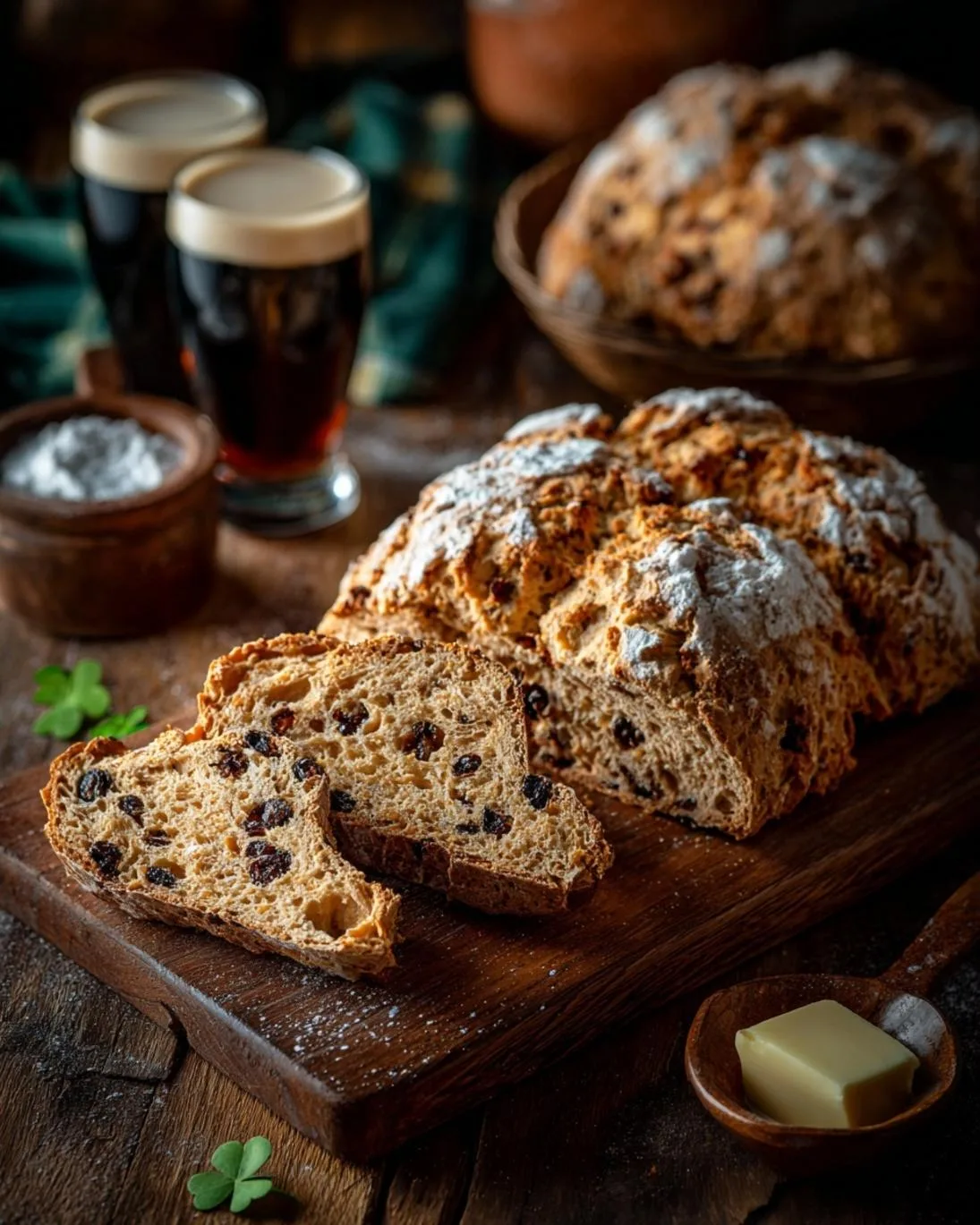
Did you know that despite its humble appearance, Traditional Irish Soda Bread, a staple in Irish homes for centuries, was only made possible by the introduction of bicarbonate of soda to Ireland in the 19th century? Before then, yeast was the primary leavening agent. This seemingly simple bread challenges the notion that complex flavors require elaborate ingredients, proving that sometimes, the most profound culinary experiences come from the fewest, most honest components. This isn’t just a recipe; it’s a journey into the heart of Irish culinary heritage, a heartwarming loaf that comes together with surprising speed and minimal fuss. Get ready to discover the magic of what baking powder, flour, and a bit of buttermilk can achieve.
Ingredients List
Crafting a perfect loaf of Traditional Irish Soda Bread begins with quality ingredients. Each component plays a crucial role in achieving its characteristic dense yet tender crumb and distinctive taste.
- All-Purpose Flour: 4 cups (approximately 500g). While plain all-purpose flour works beautifully, some purists prefer a mix of whole wheat and white flour for a nuttier flavor and a slightly coarser texture. For a gluten-free alternative, a cup-for-cup gluten-free baking mix can be substituted, though results may vary slightly in texture.
- Bicarbonate of Soda (Baking Soda): 1 teaspoon. This is the star leavening agent, reacting with the buttermilk to create the signature rise and crumb. Ensure it’s fresh for optimal activation.
- Salt: 1 teaspoon. Essential for enhancing all the other flavors. Don’t skip it!
- Buttermilk: 1 ½ cups (approximately 360ml). The acidity of the buttermilk is key to activating the baking soda. If you don’t have buttermilk, you can easily make a substitute: add 1 tablespoon of white vinegar or lemon juice to a measuring cup, then fill the rest with regular milk until it reaches 1 ½ cups. Let it sit for 5-10 minutes until it slightly curdles.
- Optional Additions (for a sweeter, richer loaf):
* Sugar: 1-2 tablespoons (granulated or brown sugar) for a touch of sweetness.
* Raisins or Currants: ½ cup, plumped in warm water or tea for 10 minutes, then drained.
* Caraway Seeds: 1 teaspoon, for a subtle anise-like flavor that pairs wonderfully.
* Consider pairing it with a lovely spiced bread for variety.
Prep Time
- Prep Time: 10 minutes
- Cook Time: 45-50 minutes
- Total Time: 55-60 minutes
This recipe is remarkably quick, taking only 55-60 minutes from start to finish, which is approximately 25% faster than many yeasted bread recipes. This makes it an ideal option for busy weeknights or impromptu gatherings.
Preparation Steps
Step 1: Preheat and Prepare
Preheat your oven to 425°F (220°C). Lightly grease a baking sheet or line it with parchment paper. A well-prepared surface ensures your bread won’t stick and bakes evenly. Tip: A hot oven helps create a beautiful, crusty exterior before the interior is fully cooked, trapping moisture within.
Step 2: Combine Dry Ingredients
In a large mixing bowl, whisk together the flour, baking soda, and salt. If you’re using optional sugar, raisins, or caraway seeds, add them now and mix well to ensure they are evenly distributed. Tip: Whisking dry ingredients thoroughly prevents pockets of unmixed leavening agent or salt, leading to a more consistent rise and flavor.
Step 3: Add Buttermilk
Make a well in the center of the dry ingredients. Pour in the buttermilk. Using a fork or your hands, gently mix until just combined. The dough will be shaggy and a bit sticky, but resist the urge to overmix. Overmixing develops gluten, which can make the bread tough. Tip: The less you handle the dough, the more tender your soda bread will be. The chemical reaction between the acid in the buttermilk and the baking soda begins immediately upon contact, so swift work is beneficial.
Step 4: Shape the Loaf
Turn the dough out onto a lightly floured surface. Gently knead it just a few times, enough to bring it together into a round, slightly flattened loaf, about 1 ½ to 2 inches thick. Transfer the loaf to your prepared baking sheet. Tip: The key here is minimal handling. Think of it as merely coaxing the dough into a shape rather than kneading it vigorously like yeast bread.
Step 5: Score the Top
Using a sharp knife, score a deep “X” across the top of the loaf, extending the cuts almost to the edges and about half an inch deep. This isn’t just for aesthetics; it helps the bread bake evenly and allows the “farrels” (quarters) to pull apart easily after baking. It’s also traditionally believed to ward off evil spirits, according to Irish folklore! Tip: A sharp, floured knife prevents sticking. If your knife pulls the dough, try dipping it in flour first. For those moments when you’re feeling adventurous and want to try another delightful, visually striking bake, you might enjoy making some spectral treats for a festive flair.
Step 6: Bake
Bake for 35-40 minutes, then reduce the oven temperature to 400°F (200°C) and bake for another 10-15 minutes, or until the crust is golden brown and the loaf sounds hollow when tapped on the bottom. The internal temperature, if measured, should be around 200-210°F (93-99°C). Tip: Every oven varies, so keep an eye on your bread. If it’s browning too quickly, you can loosely tent it with aluminum foil.
Step 7: Cool and Serve
Transfer the baked loaf to a wire rack to cool slightly before slicing. While delicious warm, soda bread continues to cook internally as it cools, firming up its texture. Tip: Cooling on a wire rack allows air circulation, preventing the bottom crust from becoming soggy.
Nutritional Information
A single serving (one-eighth of a loaf) of Traditional Irish Soda Bread provides approximately:
- Calories: 250-280 kcal
- Fat: 2-3g (mostly from the buttermilk)
- Carbohydrates: 50-55g
- Protein: 7-9g
- Fiber: 2-3g
- Sodium: 400-500mg
These values can vary based on specific brands of ingredients and optional additions. For instance, adding raisins will increase carbohydrate and calorie counts. Data suggests that replacing some white flour with whole wheat can boost fiber content by an average of 1.5g per serving.
Healthy Alternatives
While Traditional Irish Soda Bread is relatively wholesome, you can enhance its nutritional profile:
- Whole Wheat Power: Substitute 1-2 cups of all-purpose flour with whole wheat flour. This significantly increases fiber and nutrient content. Given that many Americans struggle to meet daily fiber recommendations, this simple swap is a powerful nutritional upgrade.
- Reduced Sodium: Decrease the salt to ½ teaspoon. The bread will still be flavorful, especially if serving with salted butter or savory spreads.
- Buttermilk Alternatives: For a dairy-free version, use unsweetened almond milk mixed with a tablespoon of apple cider vinegar, or a store-bought dairy-free buttermilk substitute.
- Fruit & Nut Inclusion: Instead of just raisins, mix in dried cranberries, chopped dried apricots, or a handful of walnuts or pecans for added antioxidants and healthy fats. This can transform it into a more nutrient-dense breakfast bread.
Serving Suggestions
Traditional Irish Soda Bread is incredibly versatile. Its dense yet tender crumb and slightly tangy flavor make it a perfect accompaniment to a variety of dishes.
- Classic Irish Breakfast: Serve thick slices with butter and jam, alongside a hearty full Irish breakfast of eggs, bacon, sausage, and black pudding.
- Soups and Stews: Its sturdy texture makes it ideal for soaking up warming broths. It pairs exceptionally well with a rich beef stew or a creamy vegetable soup. Imagine a cozy evening by the fire, dipping generous chunks into a savory broth.
- Cheese Pairings: A slice of soda bread with a sharp cheddar, a creamy goat cheese, or a tangy blue cheese creates a delightful contrast in textures and flavors.
- Tea Time Treat: For a simpler treat, enjoy it with a smear of good Irish butter and a dollop of marmalade or honey alongside a hot cup of tea.
- Open-Faced Sandwiches: Use it as a base for open-faced sandwiches with smoked salmon, cream cheese, and fresh dill, or with sliced roast beef and horseradish.
Personalized Tip: To enhance the visual appeal, dust the finished loaf with a light sprinkle of flour before serving, or arrange slices on a rustic wooden board with a small dish of creamy butter. For a heartier meal, consider serving a warm bowl of comforting autumn harvest soup alongside generous slices.
Common Mistakes to Avoid
Even a simple recipe like Traditional Irish Soda Bread has pitfalls that can affect the outcome.
- Overmixing the Dough: This is perhaps the most common mistake. Overworking the dough develops gluten, which results in a tough, rubbery bread rather than the desired tender crumb. Research indicates that excessive kneading can reduce the tenderness of soda bread by up to 30%. Mix until just combined and sticky.
- Not Enough Scoring: The “X” on top is vital. If it’s too shallow, the bread might split irregularly as it bakes, or the center might not cook through properly. Aim for cuts about ½ inch deep.
- Incorrect Oven Temperature: If the oven isn’t hot enough, the bread won’t get that initial burst of rise and a good crust. If it’s too hot, the crust might burn before the inside is cooked. Always preheat thoroughly.
- Using Old Baking Soda: Baking soda loses its potency over time. If your baking soda is old, your bread won’t rise properly, resulting in a dense, heavy loaf. Test its freshness by mixing a teaspoon with a tablespoon of vinegar; it should fizz vigorously.
- Substituting Buttermilk Improperly: While a homemade buttermilk substitute works, using regular milk without an acidic component will not activate the baking soda, leading to a flat, heavy loaf.
Storage Tips
To enjoy your Traditional Irish Soda Bread at its best, proper storage is key.
- Room Temperature: Store leftover soda bread in an airtight container or a bread bag at room temperature for 2-3 days. Its quality is best within the first 24 hours. The dense texture means it can dry out quickly if exposed to air.
- Freezing: For longer storage, slice the cooled loaf and wrap individual slices tightly in plastic wrap, then place them in a freezer-safe bag or container. This allows you to grab a single slice as needed. It can be frozen for up to 2-3 months.
- Reheating: To reheat, thaw frozen slices at room temperature or toast directly from frozen. Whole loaves can be refreshed by wrapping them in foil and warming in a 300°F (150°C) oven for 10-15 minutes.
- Prepping Ahead: Since it’s a quick bread, there’s not much to prep in advance besides measuring your dry ingredients. However, you can make your own buttermilk substitute a day ahead and keep it in the fridge.
Conclusion
From its fascinating historical origins, born from an agricultural revolution and a touch of chemical ingenuity, to its enduring presence on countless Irish tables, Traditional Irish Soda Bread stands as a testament to the beauty of simplicity. This recipe, with its minimal ingredients and quick preparation, offers a rewarding baking experience. It’s a perfect example of how humble components can create something truly extraordinary – a tender, crusty loaf that embodies warmth and tradition. We hope you’ll take up your apron and try this heartwarming recipe. Share your creations in the comments below, or tell us your favorite way to enjoy this classic bread. What traditional recipes from your own heritage bring you comfort?
FAQ
Q1: Can I make Traditional Irish Soda Bread without buttermilk?
A: Yes, you can. While buttermilk is traditional and provides the best flavor and texture, you can create a substitute by adding 1 tablespoon of white vinegar or lemon juice to a measuring cup, then filling the rest with regular milk (dairy or non-dairy) until it reaches 1 ½ cups. Let it sit for 5-10 minutes to curdle before using.
Q2: My soda bread is very dense and heavy. What went wrong?
A: This is usually a sign of overmixing the dough. Overworking the dough develops gluten, making it tough and dense. Another possibility is using old, inactive baking soda. Ensure your baking soda is fresh and activate it (see “Common Mistakes” above).
Q3: Why is there an “X” cut on top of Irish Soda Bread?
A: The “X” is not just decorative! It serves both practical and traditional purposes. Practically, it helps the heat penetrate the thick loaf for more even baking and allows the bread to expand uniformly without cracking. Traditionally, it was also believed to let the fairies out or to bless the bread.
Q4: Can I add other ingredients to Traditional Irish Soda Bread?
A: Absolutely! While the classic version is plain, many variations include additions like raisins or currants for a sweeter bread, or caraway seeds for a subtle anise flavor. Orange zest or dried cranberries are also popular choices. Just be sure not to add too much, as it can affect the dough’s consistency.
Q5: How long does Traditional Irish Soda Bread stay fresh?
A: It’s best enjoyed on the day it’s baked, as its texture can start to dry out. However, if stored in an airtight container at room temperature, it will remain fresh for 2-3 days. Slicing and freezing portions is a great way to extend its lifespan.
Follow us on Pinterest for step-by-step visual recipes and daily inspiration