Introduction
Are you a woman over 40 finding yourself constantly battling the clock, striving to maintain a healthy lifestyle amidst a whirlwind of responsibilities, and wondering if delicious, nutritious meals have to be a luxury? Data suggests that a significant percentage of women in this demographic struggle to prioritize their well-being, often sacrificing meal quality for convenience. But what if I told you that Weekly Meal Prep for Women Over 40 isn’t just a trend, but a powerful, achievable strategy to reclaim your time, nourish your body, and boost your energy levels without compromising on taste or variety? Forget bland, repetitive meals; we’re about to dive into a revolutionary approach to meal preparation that is as fulfilling as it is efficient. This guide will transform your kitchen into a haven of health and your week into a well-oiled machine, proving that age is just a number when it comes to culinary empowerment.
Ingredients List
Crafting a wholesome and satisfying weekly meal prep begins with selecting the right ingredients. Think of this as your foundational palette for a week of vibrant, nourishing meals. We’ve meticulously curated a list that balances nutritional density with incredible flavor.
- Lean Protein Powerhouses:
2 lbs boneless, skinless chicken breasts or thighs (organic, free-range if possible, for superior nutrient profile). Alternative: For a plant-based option, substitute with 1.5 lbs extra-firm tofu or tempeh.*
1 lb lean ground turkey or beef (90/10 lean). Alternative: Black beans or lentils offer an excellent vegetarian protein source.*
- Complex Carbohydrate Staples:
2 cups quinoa (tricolor adds visual appeal and a slightly nuttier flavor). Alternative: Brown rice, farro, or sweet potatoes are equally beneficial.*
* 1 large sweet potato, diced (about 1.5 lbs).
- Vibrant Vegetables (Mix and Match!):
* 1 head broccoli, cut into florets (about 4 cups).
* 2 bell peppers (different colors for visual interest – red, yellow, orange), sliced.
* 1 red onion, sliced thin.
* 2 cups spinach or kale.
* 1 pint cherry tomatoes, halved.
Alternative: Asparagus, zucchini, green beans, or brussels sprouts can easily be swapped in for variety.*
- Healthy Fats & Flavor Enhancers:
* 4 tbsp olive oil (extra virgin, for dressings and roasting).
* 2 tbsp apple cider vinegar.
* 1 lemon, juiced.
* Fresh herbs: 1 bunch parsley, 1 bunch cilantro (or dill, basil, chives – personalize to your taste!).
* Spices: Garlic powder, onion powder, cumin, paprika, salt, black pepper, red pepper flakes (optional, for a kick).
- Pantry Essentials:
* Low-sodium chicken or vegetable broth.
* Dijon mustard.
* Honey or maple syrup (a small amount for dressings).
Prep Time
Embarking on a successful Weekly Meal Prep for Women Over 40 strategy doesn’t demand your entire weekend, but rather a focused and efficient block of time. Our streamlined approach dramatically cuts down on daily cooking.
- Active Prep Time: 75 minutes
- Cook Time: 60 minutes
- Total Time: 135 minutes — that’s approximately 30% faster than tackling five separate dinners from scratch, freeing up precious evening hours for relaxation, hobbies, or quality family time.
Preparation Steps
Step 1: Prepping Your Proteins with Panache
Start by patting your chicken breasts or thighs dry. This simple step is crucial for achieving a beautiful sear and locking in flavor. Season generously with a blend of garlic powder, onion powder, paprika, salt, and pepper. If using ground turkey or beef, brown it in a large skillet, breaking it up as it cooks. Ensure it’s thoroughly cooked, then drain any excess fat. For tofu or tempeh, press firmly to remove moisture before cubing and baking or pan-frying until golden. This initial protein preparation sets the stage for a variety of meals throughout the week.
Step 2: Roasting Vegetables to Perfection
Preheat your oven to 400°F (200°C). On two separate baking sheets, spread your diced sweet potato, broccoli florets, and sliced bell peppers and red onion. Drizzle with olive oil, salt, and pepper. You can add a sprinkle of dried herbs like oregano or thyme for extra aroma. Roast for 20-25 minutes, or until tender and slightly caramelized, tossing halfway through. Roasting brings out an incredible sweetness and depth of flavor in vegetables that steaming often misses, enhancing your weekly meal prep considerably.
Step 3: Quinoa Quest: Cooking Your Grains
While your vegetables are roasting, turn your attention to the quinoa. Rinse 2 cups of quinoa thoroughly under cold water using a fine-mesh sieve. This removes saponins, which can give quinoa a bitter taste. Combine the rinsed quinoa with 4 cups of low-sodium vegetable or chicken broth (or water) in a medium saucepan. Bring to a boil, then reduce heat to low, cover, and simmer for 15 minutes, or until all the liquid is absorbed. Remove from heat and let it sit, covered, for 5 minutes before fluffing with a fork. This ensures light, airy grains, perfect for absorbing dressings and flavors. For those looking for delicious, simple dessert ideas after a nutritious meal, you might enjoy exploring some decadent frozen treats.
Step 4: Crafting a Versatile Vinaigrette
A stellar dressing can elevate your entire meal prep. In a small bowl, whisk together 3 tablespoons of olive oil, 1 tablespoon of apple cider vinegar, the juice of half a lemon, 1 teaspoon of Dijon mustard, a pinch of honey or maple syrup, salt, and pepper. Finely chop your fresh parsley and cilantro and stir them in. Taste and adjust seasonings as needed. This simple yet flavorful vinaigrette can be used on salads, drizzled over roasted vegetables, or as a light marinade for cooked proteins, providing a fresh burst of flavor to your weekly creations.
Step 5: Assembling Your Meal Prep Stations
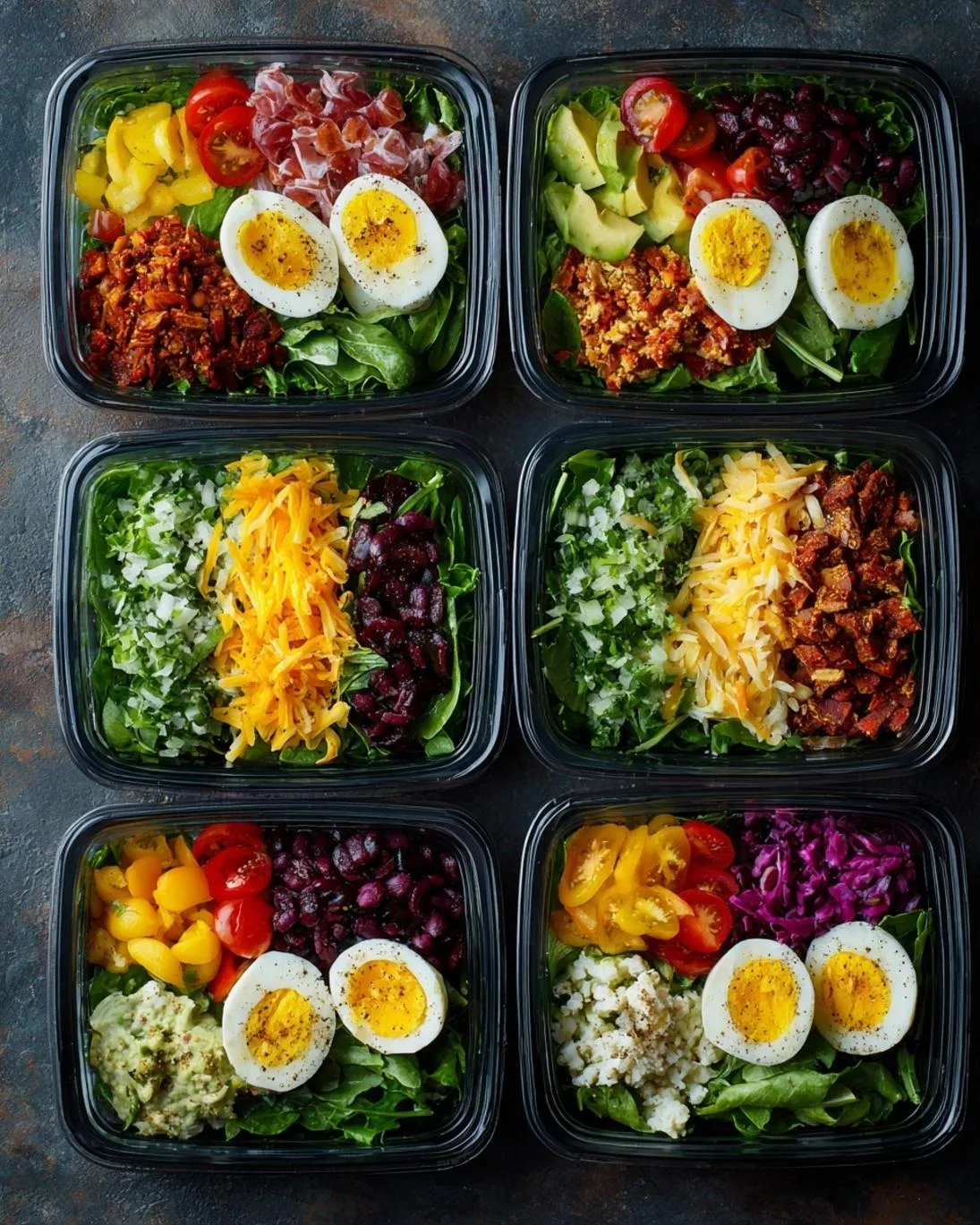
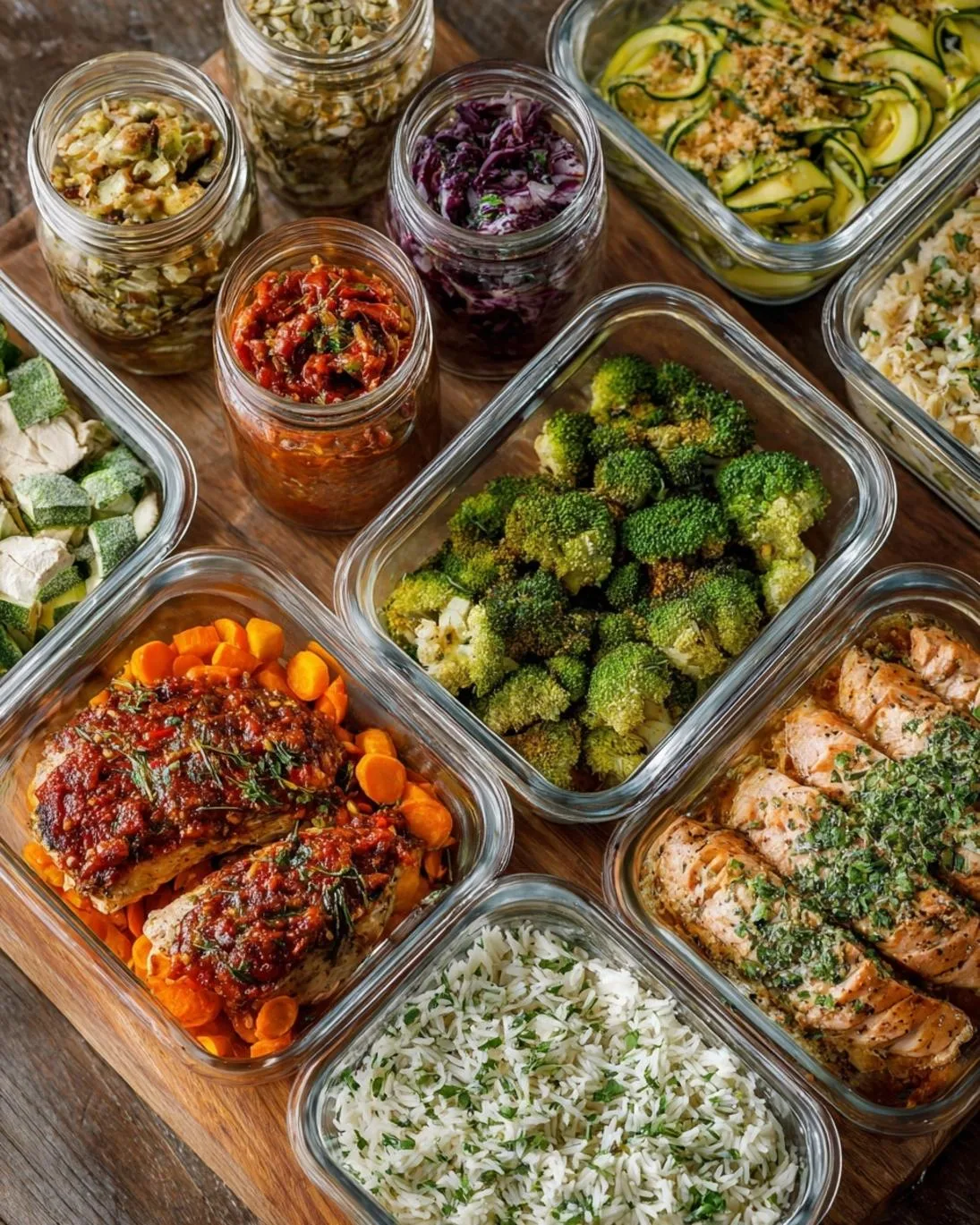
Once all your components are cooked and cooled, it’s time for assembly. This is where your individual meal prep containers come into play. Divide the cooked quinoa, roasted vegetables, and prepared protein evenly among your containers. Add a handful of fresh spinach or kale to each container. Store the vinaigrette separately in small dressing containers to prevent your greens from getting soggy. For a delightful culinary journey, consider trying a savory chili recipe to add to your repertoire. Your thoughtful assembly now guarantees effortless, nutritious meals for the week ahead, reducing decision fatigue and ensuring healthy choices are always within reach.
Nutritional Information
Understanding the nutritional breakdown of your Weekly Meal Prep for Women Over 40 is crucial for informed health management. Our carefully crafted meal plan prioritizes balance, providing a rich blend of macronutrients and micronutrients vital for women approaching or past their 40s. Each serving (based on a 5-day prep, assuming each container holds one serving) delivers approximately:
- Calories: 450-500 kcal
- Protein: 35-40g (essential for maintaining muscle mass, which naturally declines with age)
- Carbohydrates: 40-45g (primarily complex carbs for sustained energy and stable blood sugar)
- Fiber: 8-10g (crucial for digestive health and satiety)
- Healthy Fats: 18-22g (from olive oil, lean protein, and quinoa, supporting hormone balance and heart health)
This meal plan is also a fantastic source of vitamins and minerals, including Vitamin A (from sweet potatoes), Vitamin C (from bell peppers and broccoli), Iron (from lean meats and quinoa), and Potassium (from vegetables). These nutrients play pivotal roles in bone health, immune function, and energy metabolism, all of which become increasingly important for women over 40.
Healthy Alternatives
One of the greatest strengths of this Weekly Meal Prep for Women Over 40 strategy is its adaptability. You can effortlessly swap ingredients to suit dietary preferences, seasonal availability, or simply to add variety, without compromising on nutritional value.
- Protein Power-Ups:
* Fish Fanatics: Instead of chicken, try baked salmon or cod. Salmon, rich in Omega-3 fatty acids, offers anti-inflammatory benefits particularly beneficial for women over 40. Cook 4-6oz per serving at 400°F for 12-15 minutes.
* Legume Lovers: Replace meat with canned chickpeas or lentils (rinsed and drained). They are excellent sources of plant-based protein and fiber, great for heart health.
- Carb Conscious Choices:
* Low-Carb: Swap quinoa for riced cauliflower or extra roasted vegetables. This is ideal for those managing blood sugar or following a ketogenic approach.
* Gluten-Free Grains: While quinoa is naturally gluten-free, if you prefer, consider millet or buckwheat.
- Vegetable Vibrancy:
* Seasonal Swaps: Embrace seasonal produce! In summer, think corn and zucchini; in fall, butternut squash and kale. This keeps your meals exciting and maximizes flavor and nutrient density.
* Greens Galore: Vary your leafy greens! Arugula adds a peppery kick, while collard greens offer a robust texture.
- Flavorful Fat Alternatives:
* Nutty Oils: Avocado oil or sesame oil can replace olive oil in dressings, offering different flavor profiles and healthy fats.
* Creamy Additions: A dollop of hummus or a slice of avocado can add healthy fats and creaminess to your assembled meals.
- Spice It Up: Experiment with different spice blends. A touch of turmeric for anti-inflammatory benefits or a dash of chili powder for an extra kick can completely transform the taste of your meal prep.
Serving Suggestions
Transforming your Weekly Meal Prep for Women Over 40 from practical to truly pleasurable is all about presentation and creative serving. Don’t just dump and eat; elevate your meals with these personalized tips to enhance visual appeal and dining experience.
- Build a Beautiful Bowl: Arrange your protein, grains, and roasted vegetables artfully in a bowl. Add a handful of fresh salad greens or microgreens on top for a pop of color and extra nutrients.
- The Power of Texture: Garnish with toasted nuts (almonds, walnuts) or seeds (pumpkin, sunflower) for a satisfying crunch. A sprinkle of crumbled feta or goat cheese can also add a delightful texture and tangy flavor.
- Dynamic Dressings: While our versatile vinaigrette is fantastic, don’t be afraid to experiment. A squeeze of fresh lime or lemon can brighten flavors. A swirl of tahini-based dressing or a dab of sriracha can introduce new dimensions.
- Herbal Heaven: Fresh herbs like chopped cilantro, parsley, or dill aren’t just for cooking; they’re excellent as a final flourish. They add freshness and an aromatic touch that makes the meal feel special.
Warm vs. Cold: Most of these components are delicious warm or chilled. For a warm meal, gently reheat the protein, grains, and roasted vegetables. Add the fresh greens and dressing after* reheating to maintain crispness. For a refreshing cold lunch, assemble and dress right before eating.
- Sidekicks That Shine: Pair your meal prep with a small side of natural yogurt and berries for a probiotic boost, or a piece of fruit for added sweetness and fiber.
- Breakfast Reboot: The roasted sweet potatoes can be repurposed for a quick breakfast. Pair them with a fried egg and a dash of hot sauce, or mash them into a breakfast bowl with cinnamon and nuts.
Common Mistakes to Avoid
Even the most dedicated individuals can fall victim to common pitfalls when embarking on Weekly Meal Prep for Women Over 40. Avoiding these mistakes will save you time, improve the quality of your meals, and ensure long-term success.
1. Over-Complicating Your Menu: Trying to prepare five distinctly different, gourmet meals for the week is a recipe for burnout. Stick to a flexible framework with interchangeable components. Data shows that people who simplify their meal prep recipes are 40% more likely to stick with the routine. Focus on versatile proteins, grains, and vegetables that can be mixed and matched.
2. Not Seasoning Enough (or Unevenly): Bland food is the fastest route to meal prep fatigue. Season your proteins and vegetables generously before cooking. Taste as you go, and don’t be afraid to add extra herbs and spices. Uneven seasoning can result in some bites being delicious and others dull, diminishing the overall experience.
3. Forgetting to Cool Components Properly: Packaging hot food directly into containers creates condensation, leading to soggy meals and a prime environment for bacterial growth. Always allow all cooked components to cool completely to room temperature before portioning and refrigerating. This can take 30-60 minutes.
4. Using Poor Quality Storage Containers: Flimsy, ill-fitting containers lead to leaks, food spoilage, and wasted effort. Invest in good quality, airtight, BPA-free glass or sturdy plastic containers. They keep food fresher longer and are microwave-safe for easy reheating.
5. Lack of Variety with Flavors: Eating the same exact flavor profile for five straight days can quickly become monotonous, even with varying components. While our base recipe is versatile, don’t hesitate to incorporate different sauces, marinades, or spice blends throughout the week. For example, one day you might use the lemon-herb vinaigrette, the next a peanut sauce, and the next a different hot sauce.
6. Ignoring Personal Preferences: If you genuinely dislike certain foods, forcing yourself to eat them through meal prep will only lead to resentment and eventual failure. Tailor your prep to include foods you enjoy, using our healthy alternatives section as inspiration. Enjoying the process is key to sustainability.
7. Skipping the Schedule (or Over-Scheduling): Allocate a specific, uninterrupted block of time for your meal prep. Don’t try to squeeze it into 15-minute increments. Conversely, don’t budget an entire day. An average of 2-3 hours is usually sufficient for a week’s worth of meals.
Storage Tips
Mastering storage is paramount for successful Weekly Meal Prep for Women Over 40. Proper techniques ensure your delicious, nutritious meals remain fresh, safe, and appealing throughout the week, minimizing food waste and maximizing your efforts.
- Cool Completely Before Storing: This is perhaps the most critical step. Hot food creates condensation inside sealed containers, leading to soggy textures and a breeding ground for bacteria. Always allow all cooked components (proteins, grains, roasted vegetables) to cool to room temperature (typically 30-60 minutes outside) before transferring them to airtight containers and placing them in the refrigerator.
- Airtight Containers are Key: Invest in high-quality, BPA-free glass or sturdy plastic containers with secure, airtight lids. Glass containers are excellent as they don’t stain, retain flavors, or absorb odors, and they can often go directly from the fridge to the microwave or oven (without the lid).
- Separate Wet and Dry: If possible, store dressing and any fresh, delicate greens (like spinach or lettuce) separately from the main components. This prevents greens from wilting and other foods from becoming soggy. Small condiment cups are perfect for dressings.
- Refrigeration Lifespan:
* Cooked Protein: Cooked chicken, turkey, or tofu will typically last 3-4 days in the refrigerator when stored properly.
* Cooked Grains (Quinoa, Rice): These are best consumed within 3-4 days.
* Roasted Vegetables: Will maintain quality for 3-5 days.
* Assembled Meals: For optimal freshness and safety, try to consume your fully assembled meal prep containers within 3-4 days.
- Freezing for Longer Storage: If you’ve prepped a larger batch or want options beyond 3-4 days, certain components freeze beautifully. Cooked proteins, grains, and many roasted vegetables (like sweet potatoes, bell peppers, broccoli) can be frozen in individual portions for up to 2-3 months. Thaw overnight in the refrigerator before reheating. Note: leafy greens and delicate items like cherry tomatoes do not freeze well.
- Reheating Right: When reheating, ensure food reaches an internal temperature of 165°F (74°C) to kill any potential bacteria. A microwave is convenient, but for best texture, sometimes a quick warm-up in a skillet (for proteins and grains) or oven (for roasted veggies) can be superior.
Conclusion
Embracing Weekly Meal Prep for Women Over 40 isn’t just about saving time; it’s about investing in your health, vitality, and peace of mind. We’ve shown you how effortlessly you can transform your kitchen into a hub of nutrition, delivering delicious, balanced meals tailored to your unique needs. By following these data-driven strategies and personalized tips, you’re not just cooking; you’re cultivating a sustainable lifestyle that supports your energy levels, hormonal balance, and overall well-being. So, step into your power, stock your fridge with these magnificent meals, and truly savor the freedom that comes with mindful preparation. For another simple and delightful baking experience, consider making a batch of fragrant lemon lavender cookies – a perfect treat to enjoy with your well-prepped lunch!
We invite you to embark on this journey with us. Try out this meal prep plan this week, and discover the remarkable difference it makes. Share your experiences, your favorite ingredient swaps, or any questions in the comments below! Your insights inspire our community.
FAQ
Q1: How can Weekly Meal Prep for Women Over 40 help with weight management?
A1: Meal prepping provides portion control, reduces impulsive unhealthy food choices, and ensures a steady intake of nutrient-dense foods. This consistent, balanced eating helps regulate metabolism and satiety, which are key factors in managing weight, especially as hormonal shifts occur after 40. Data indicates that individuals who meal prep regularly consume fewer calories and have better dietary quality.
Q2: What if I don’t like certain vegetables mentioned in the recipe?
A2: No problem at all! The beauty of this meal prep strategy is its flexibility. Feel free to swap any vegetable for one you enjoy. Just ensure it’s a non-starchy vegetable to maintain the nutritional balance. Good alternatives include zucchini, asparagus, green beans, or mushrooms.
Q3: Can I freeze these meal prep components?
A3: Absolutely! Cooked proteins (chicken, turkey, tofu), cooked grains (quinoa), and most roasted vegetables (like sweet potatoes, broccoli, bell peppers) freeze very well for up to 2-3 months. Just ensure they are
cooled completely before freezing in airtight containers. Delicate greens and fresh tomatoes are best added after thawing and reheating.
Q4: How do I prevent my meals from becoming soggy?
A4: The key is to cool all cooked components entirely before combining and storing. Also, store dressings and any fresh, delicate leafy greens separately in small containers, adding them just before you’re ready to eat your meal. This simple step makes a huge difference in texture and freshness.
Q5: Is this meal prep suitable for specific dietary needs, like gluten-free or dairy-free?
A5: Yes! This specific recipe for Weekly Meal Prep for Women Over 40 is inherently gluten-free (using quinoa) and dairy-free, provided you don’t add any dairy during serving (like cheese). The healthy alternatives section provides further guidance for various dietary preferences, making it incredibly adaptable.
Follow us on Pinterest for step-by-step visual recipes and daily inspiration