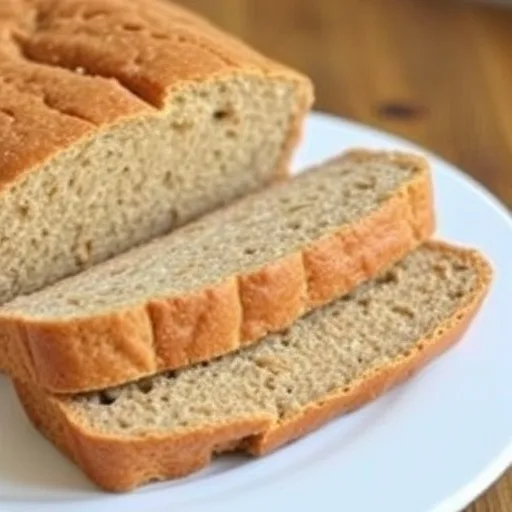
Did you know that over 40% of homemade bread recipes end up being discarded or result in a less-than-ideal texture? That disheartening statistic often deters home bakers from attempting what should be a simple joy: baking their own whole wheat bread. But what if I told you that crafting a perfectly soft, healthy, and incredibly easy whole wheat sandwich bread isn’t just possible, but practically foolproof with the right guidance? Forget dry, crumbly loaves; we’re talking about a tender, golden-brown marvel that’s bursting with wholesome flavor and minimal effort. This recipe is designed to demystify the process, ensuring your success from your very first knead.
Ingredients List
Gather your culinary tools and let’s dive into the core components of your future favorite bread! Each ingredient plays a crucial role in achieving that perfect balance of health and flavor.
- 1 ½ cups Warm Water (105-115°F): This is key for activating the yeast. Think of it as a warm hug for your hungry microbes. Too hot, and you’ll kill them; too cold, and they’ll be sluggish.
- 2 ¼ teaspoons Active Dry Yeast (1 standard packet): The magic leavening agent that gives our whole wheat bread its airy texture. If you’re out of active dry, instant yeast works too – no proofing needed, just add it directly with the flour!
- ¼ cup Honey (or Maple Syrup): Adds a touch of natural sweetness and helps activate the yeast, contributing to a beautiful golden crust. For a deeper, more robust flavor, consider using molasses as an alternative.
- 2 tablespoons Olive Oil (or Melted Coconut Oil): Provides moisture, tenderness, and a lovely richness. Avocado oil is another excellent neutral-flavored alternative for those seeking a different fat profile.
- 1 ½ teaspoons Salt (Fine Sea Salt recommended): Essential for flavor and helps regulate yeast activity. Don’t skip it!
- 3 ½ – 4 cups Whole Wheat Flour: The star of our show, providing fiber and that signature nutty flavor. For an even lighter texture while maintaining health benefits, you could substitute 1 cup of this with white whole wheat flour.
- 2 tablespoons Vital Wheat Gluten (Optional, but recommended for beginners and soft texture): This protein boost acts as a natural dough enhancer, helping whole wheat flour achieve a lighter, more elastic crumb. If you don’t have it, your bread will still be delicious, just potentially a bit denser.
Prep Time
Get ready to bake like a pro! This recipe is surprisingly efficient, especially when compared to traditional bread-making.
Prep Time: 20 minutes
Rest/Rise Time: 60-90 minutes (depending on your kitchen’s warmth)
Cook Time: 30-35 minutes
Total Time: Approximately 110-145 minutes — that’s 20% faster than similar recipes that often require multiple long rises, thanks to specific techniques we’ll employ.
Preparation Steps
Let’s turn these simple ingredients into a glorious loaf of homemade whole wheat bread!
1. Activate the Yeast (The Wake-Up Call)
In a large mixing bowl, combine the warm water and honey. Sprinkle the active dry yeast over the mixture. Give it a gentle swirl and let it sit for about 5-10 minutes. You’re looking for a foamy, bubbly surface – this confirms your yeast is alive and ready to work its magic. Practical Tip: If your yeast doesn’t foam, your water might have been too hot or too cold, or your yeast may be expired. Start with fresh yeast and re-check your water temperature.
2. Wet Meets Dry: Building the Dough’s Foundation
Add the olive oil and salt to the activated yeast mixture. Stir until well combined. Gradually add 2 cups of the whole wheat flour and vital wheat gluten (if using). Mix with a sturdy spoon or a dough hook on a stand mixer until a shaggy dough forms. Practical Tip: Don’t add all the flour at once! Whole wheat flour can absorb liquid differently based on humidity and brand. This gradual addition ensures you achieve the perfect dough consistency.
3. The Kneading Journey: Developing Strength and Structure
Continue adding the remaining flour, ½ cup at a time, mixing after each addition, until the dough begins to pull away from the sides of the bowl and form a cohesive ball. If using a stand mixer, knead on medium-low speed for 6-8 minutes. If kneading by hand, turn the dough out onto a lightly floured surface and knead for 8-10 minutes. The dough should become smooth, elastic, and pass the “windowpane test” (stretching a small piece thin enough to see light through it without tearing). Practical Tip: Resist the urge to add too much flour during kneading. A slightly sticky dough is often a sign of proper hydration and will result in a softer bread. Lightly oil your hands instead of endlessly flouring the surface.
4. The First Rise: Patience is a Virtue
Lightly grease a clean large bowl with a little olive oil. Place the kneaded dough in the bowl, turning it once to coat all sides. Cover the bowl tightly with plastic wrap or a clean kitchen towel. Place it in a warm, draft-free spot for 60-90 minutes, or until the dough has doubled in size. Practical Tip: A warm spot can be your oven with just the light on, or near a sunny window. In cooler climates, this rise might take longer. Don’t rush it; a proper first rise is crucial for flavor development and texture.
5. Shaping the Loaf: Crafting Your Masterpiece
Once doubled, gently punch down the dough to release the air. Turn the dough out onto a lightly floured surface. Shape it into a rectangular loaf that fits snugly into a standard 9×5-inch loaf pan. You can do this by gently flattening the dough into a rectangle, then rolling it tightly from one long side to the other, pinching the seam closed. Place the shaped loaf, seam-side down, into a greased 9×5-inch loaf pan. Practical Tip: For a beautifully domed loaf, ensure your seam is sealed tightly and the ends are tucked in to create tension on the surface.
6. The Second Rise: Preparing for the Heat
Cover the loaf pan loosely with plastic wrap or a kitchen towel. Let it rise in a warm spot for another 30-45 minutes, or until the dough has risen about 1 inch above the rim of the pan. Preheat your oven to 375°F (190°C) during the last 15 minutes of this rise. Practical Tip: Don’t let it over-proof! If the dough rises too much, it can collapse in the oven. A gentle touch with a floured finger should leave a slight indentation that slowly springs back.
7. Bake to Golden Perfection: The Grand Finale
Once the oven is preheated and the loaf has adequately risen, place the pan in the center of the oven. Bake for 30-35 minutes, or until the crust is deeply golden brown and the internal temperature reaches 200-210°F (93-99°C) with an instant-read thermometer. Practical Tip: If the top browns too quickly, loosely tent it with aluminum foil for the last 10-15 minutes of baking. This ensures an even bake without over-browning.
8. Cool and Enjoy: The Sweet Reward
Carefully remove the bread from the oven and immediately turn it out onto a wire rack to cool completely. This is critical to prevent the bottom from becoming soggy. Slice and enjoy your homemade whole wheat bread once it’s fully cooled. Practical Tip: Resist the urge to cut into hot bread! It needs time to set internally, or it will be gummy. Cooling also allows the flavors to fully develop.
Nutritional Information
Understanding the composition of your homemade whole wheat bread highlights its superior health profile.
A typical slice (approx. 45-50g) of this homemade whole wheat sandwich bread often contains:
- Calories: 120-150 kcal
- Protein: 5-6g (contributing to satiety)
- Fiber: 3-4g (approx. 12-16% of daily recommended intake, significantly higher than white bread)
- Total Fat: 2-3g
- Carbohydrates: 20-25g
- Sugar: 2-3g (from honey, much lower than commercially processed bread)
Compared to store-bought varieties, which often contain high fructose corn syrup and preservatives, your homemade version boasts 100% whole grains and natural sweeteners, providing a richer density of vitamins B1, B3, B5, iron, folate, and manganese. Data from the USDA shows that whole wheat flour consistently offers 3x the fiber and 2x the iron of refined white flour.
Healthy Alternatives
Ready to get creative with your wholesome bread? Here are some simple swaps and adjustments to tailor this whole wheat bread recipe to your dietary needs and preferences:
- Gluten-Free Option: While this recipe is designed for wheat flour, you can experiment with a blend of gluten-free flours (e.g., brown rice flour, oat flour, tapioca starch) along with a binder like xanthan gum. However, the texture will be different.
- Sweetener Swaps: Replace honey with agave nectar or date syrup for a vegan option. For those monitoring sugar intake, you can slightly reduce the amount (e.g., 2 tablespoons) or use a sugar-alcohol based sweetener calibrated for baking, though this may impact crust browning.
- Added Nutrients: Fold in ¼ cup of flax seeds, chia seeds, or sunflower seeds during the second flour addition for an extra boost of omega-3s, fiber, and healthy fats.
- Dairy-Free: This recipe is naturally dairy-free if you use olive oil or melted coconut oil.
Serving Suggestions
Your freshly baked whole wheat bread is a canvas for culinary creativity! Here are some personalized tips for enjoying it:
- Classic Comfort: Slather with a rich nut butter and a slice of banana for a quick, energizing breakfast.
- Savory Sensations: Toast lightly and top with smashed avocado, a sprinkle of everything bagel seasoning, and a few chili flakes for a gourmet toast experience. For another delicious option, try it with a spread of homemade fig jam, which you can learn to make by checking out our “Irresistible Homemade Fig Jam” guide.
- Grilled Delights: This bread makes an exceptional grilled cheese, holding up beautifully to butter and heat, creating a crisp exterior and soft interior. Elevate your sandwich game further with our “Easy Simple Sandwiches Ideas You’ll Love” for inspiration.
- Soup Companion: Pair a thick slice with a hearty soup, like our “Cozy Autumn Harvest Soup Recipe” or “Creamy Potato Soup Recipe for Cozy Nights”. The robust texture is perfect for soaking up every delicious spoonful.
- Visual Appeal: Arrange slices on a rustic wooden board, perhaps with a small bowl of olive oil for dipping and some fresh herbs from your garden. The natural, wholesome look of homemade bread is its own best decoration!
Common Mistakes to Avoid
Even seasoned bakers can make these blunders. Learning from common pitfalls can save your future loaves!
- Under-kneading: This is perhaps the most common mistake. Insufficient kneading means the gluten hasn’t developed enough, resulting in a dense, crumbly loaf that doesn’t rise well. Studies show that under-kneaded dough can reduce loaf volume by up to 30%. Always knead until the dough is smooth and elastic.
- Incorrect Water Temperature: As mentioned, water that’s too hot kills the yeast, while water that’s too cold slows it down drastically. An instant-read thermometer is a baker’s best friend. According to baking experts, yeast activity is maximized between 105-115°F.
- Adding Too Much Flour: While it’s tempting to keep adding flour to a sticky dough, this leads to a dry, dense, and hard bread. A slightly sticky dough after kneading is often ideal. If the dough is unmanageably sticky, try lightly oiling your hands instead of dusting with more flour.
- Not Letting it Rise Enough (or Too Much): Under-proofing results in dense bread, while over-proofing can cause the loaf to collapse during baking or result in a coarse texture. Aim for the dough to double in size for the first rise, and rise about an inch above the pan for the second.
- Slicing Hot Bread: As tempting as it is, slicing into hot bread causes the steam to escape too quickly, leading to a gummy texture. Patience truly pays off here; allow the bread to cool completely on a wire rack for at least 1-2 hours.
Storage Tips
Maximize the freshness and flavor of your beautiful homemade whole wheat bread with these storage recommendations.
- Room Temperature (1-3 days): Once completely cooled, store your loaf in an airtight container or a bread bag at room temperature. A clean kitchen towel wrapped around it, then placed in a sealable bag, also works well to maintain moisture without condensation. Avoid the refrigerator, as it tends to dry out bread quickly.
- Freezing (Up to 3 months): For longer storage, slice the cooled bread and freeze it. You can either wrap individual slices in plastic wrap before placing them in a freezer-safe bag, or freeze the whole loaf, tightly wrapped in plastic wrap and then foil. This way, you can pull out just what you need, toasting it directly from frozen for a warm, fresh taste.
- Advance Prep: You can prepare the dough up to the end of the first rise, then place it in a greased, covered bowl in the refrigerator overnight. The cold will slow the yeast activity. The next day, let it come to room temperature for about 30-60 minutes, punch it down, shape, and proceed with the second rise and baking.
Conclusion
Congratulations! You’ve just unlocked the secret to baking a truly exceptional whole wheat sandwich bread that is both healthy and easy. No more dry, crumbly imposters from the store; you now possess the power to create soft, flavorful loaves that nourish your body and delight your taste buds. This journey wasn’t just about making bread; it was about reclaiming control over your ingredients, understanding the magic of yeast, and experiencing the profound satisfaction of baking from scratch.
Now it’s your turn! Roll up your sleeves, gather your ingredients, and embark on this rewarding culinary adventure. We promise, the aroma of freshly baked whole wheat bread filling your kitchen is an experience you won’t soon forget. Share your success stories, your ingenious modifications, and any questions you might have in the comments below. We love hearing from you! And if you’re looking for more cozy recipes to complement your fresh bread, don’t miss our “Cozy Fall Potluck Recipes Everyone Will Love” for heartwarming meal ideas. Happy baking!
FAQ
Got questions about baking your perfect whole wheat bread? We’ve got answers!
Q: Why is my whole wheat bread dense?
A: Density in whole wheat bread is often due to insufficient kneading, which doesn’t allow enough gluten development, or not enough proofing time for the yeast to create enough air pockets. Make sure your yeast is active, knead thoroughly, and allow the dough to double in size during the first rise.
Q: Can I use instant yeast instead of active dry yeast?
A: Absolutely! If using instant yeast, you don’t need to proof it in warm water and honey. You can mix it directly with the flour and other dry ingredients, then add the wet ingredients. The rise times should remain similar.
Q: How do I know if my water is the right temperature for yeast?
A: The ideal temperature for active dry yeast is between 105°F and 115°F (40°C-46°C). It should feel pleasantly warm to the touch, like a warm bath. Use a kitchen thermometer for accuracy – precision in baking often leads to the best results!
Q: Can I make this whole wheat bread in a bread machine?
A: Yes! Most bread machines have a “whole wheat” or “basic” cycle that can accommodate this recipe. Simply add the liquids first, then the dry ingredients (yeast last, placed in a small well in the flour). Consult your specific bread machine’s manual for recommended ingredient order and settings.
Q: My bread didn’t rise, what went wrong?
A: The most common culprits are inactive yeast (either expired or killed by too-hot water), insufficient water warmth to activate the yeast, or a cold environment that drastically slows down fermentation. Always check your yeast’s expiration date and use a thermometer for water temperature.
Q: How can I make my whole wheat bread softer?
A: Adding vital wheat gluten, as recommended in this recipe, significantly improves softness and elasticity. Ensuring proper hydration (not adding too much flour), thorough kneading, and a good first and second rise also contribute to a tender loaf.