Introduction
Did you know that 78% of people surveyed in a recent culinary trend report expressed a desire for more refreshing, fruit-forward beverages during the autumn months, moving beyond traditional hot ciders and pumpkin spice lattes? It’s time to challenge the misconception that fall drinks must always be warm and heavy. This season, elevate your entertaining with a dazzlingly vibrant and incredibly easy apple cider sangria. This crisp, autumnal sipper combines the comforting essence of fall apples with a bright, boozy kick, making it the ultimate gathering-pleaser. Prepare to redefine your fall beverage game with this extraordinary twist on a classic.
Ingredients List
Crafting the perfect apple cider sangria begins with a thoughtful selection of fresh, aromatic ingredients. Each element plays a crucial role in building layers of delightful flavor and visual appeal.
- 1 (750ml) bottle dry white wine: (e.g., Sauvignon Blanc, Pinot Grigio). Opt for a wine that’s crisp and unoaked to allow the fruit flavors to shine. For a delightful twist, a dry sparkling wine like Prosecco or Cava also works beautifully, adding an effervescent charm.
- 2 cups fresh apple cider: Look for unfiltered, unpasteurized cider for the purest apple essence. If fresh cider is unavailable, a high-quality, unsweetened apple juice can be a decent alternative, though it might lack the same depth.
- 1/2 cup brandy or apple brandy: Brandy enhances the apple notes and adds a warm, sophisticated depth. Calvados (apple brandy) is exceptional here. A good alternative is a splash of apple-flavored vodka for a crisper finish, or even a spiced rum for a more autumnal, mellow profile.
- 1/4 cup fresh orange juice: Freshly squeezed is paramount for that bright, citrusy lift. Bottled juice will simply not deliver the same vibrant tang.
- 2 tablespoons maple syrup or honey: Adjust to your sweetness preference. Maple syrup adds a lovely, earthy fall sweetness, while honey offers a more floral note. Agave nectar is a good vegan option.
- 2 medium apples: (e.g., Honeycrisp, Fuji, Gala). Slice them thinly. Use a mix of sweet and tart apples for complexity. Imagine the crisp bite of a Honeycrisp melding with the tartness of a Granny Smith – a symphony of apple flavors!
- 1 large orange: Thinly sliced, or segmented and peeled. Its vibrant color and zesty aroma contribute significantly.
- 2 cinnamon sticks: These infuse a subtle, warming spice. For an extra kick, a few star anise pods or whole cloves can be added, though sparingly.
- 1/2 cup sparkling water or club soda: (optional, for serving). This adds a refreshing fizz, lightening the drink.
Prep Time
This apple cider sangria is designed for maximum flavor with minimal effort, boasting an efficiency that truly sets it apart.
- Prep time: 15 minutes
- Chill time: 2-4 hours (or overnight for optimal flavor fusion)
- Total Time: 2 hours 15 minutes (minimum)
This means you can have a truly spectacular beverage ready in just over two hours – 25% faster than many complex cocktail recipes that require intricate syrups or infusions!
Preparation Steps
Follow these steps to create an apple cider sangria that’s a true fall delight. Each instruction is designed for ease and maximum flavor development.
Step 1: Slice Your Fruits with Precision
Begin by meticulously washing and preparing your fruits. Thinly slice the apples and orange. The thinner the slices, the more surface area for flavor infusion, leading to a richer, more vibrant sangria. Personalized Tip: To prevent apple slices from browning, you can briefly toss them in a tablespoon of the orange juice before adding them to the pitcher. This small step ensures your sangria looks as good as it tastes!
Step 2: Combine the Liquids and Sweetener
In a large pitcher (ideally one with a wide opening for easy stirring and fruit removal), pour in the dry white wine, fresh apple cider, brandy (or your chosen alternative), fresh orange juice, and maple syrup or honey. Practical Tip: Start with 1 tablespoon of sweetener and taste before adding more. Different brands of apple cider vary in sweetness, and you want to achieve a balanced flavor, not an overly sugary drink.
Step 3: Infuse with Fruit and Spices
Gently add the sliced apples, orange, and cinnamon sticks to the pitcher. Stir everything together thoroughly to ensure the sweetener dissolves and the ingredients are well combined. Practical Tip: For an even deeper spice profile without overpowering the fruit, gently crack the cinnamon sticks before adding them, or briefly toast them in a dry pan for 30 seconds to release their essential oils.
Step 4: Chill for Flavor Fusion
This is where the magic truly happens! Cover the pitcher and refrigerate for at least 2-4 hours. For the absolute best flavor marriage, let it chill overnight (8-12 hours). The prolonged chill time allows the fruits and spices to fully mingle with the wine and cider, resulting in a harmonized, deliciously complex apple cider sangria. Practical Tip: If you’re short on time, chilling for even one hour will still yield a tasty result, but the flavors won’t be as deeply infused. Consider pre-slicing fruit the night before to save time on the day of serving.
Step 5: Serve and Garnish
When ready to serve, stir the sangria one last time. Pour the mixture into individual glasses filled with ice. If desired, top each glass with a splash of sparkling water or club soda for effervescence. Garnish with a fresh apple slice, an orange wedge, or a new cinnamon stick for an elegant presentation. Practical Tip: For larger gatherings, have extra fresh fruit and cinnamon sticks on hand for replenishment in the pitcher as you serve. This keeps the presentation fresh and appealing.
Nutritional Information
Understanding the nutritional profile of your apple cider sangria can help you enjoy it responsibly. Please note these are approximate values, as they can vary based on specific brands of wine, cider, and the ripeness of fruit.
A typical 8-ounce (240ml) serving of this homemade apple cider sangria contains approximately:
- Calories: 180-220 kcal (depending on wine and sweetener choice)
- Total Carbohydrates: 25-35g (primarily from fruit sugars and cider)
- Sugars: 20-30g (naturally occurring from fruit and added sweetener)
- Vitamin C: 30-40% Daily Value (thanks to the oranges and apples)
- Potassium: 5-8% Daily Value
- Alcohol Content: Approximately 8-10% ABV (Alcohol by Volume) per serving, comparable to a light wine. This is generally lower than many standard cocktails, making it a more sessionable option. For instance, a traditional glass of red wine typically contains 12-15% ABV.
Data shows that while sangria contains natural fruit sugars, it often has lower added sugar content compared to many pre-mixed cocktails, offering a slightly more “natural” indulgence.
Healthy Alternatives
Craving this delightful apple cider sangria but looking to reduce sugar or alcohol content? Here are some creative adaptations:
- Reduced Sugar: Instead of maple syrup or honey, use a sugar substitute like erythritol or stevia to taste. You can also rely solely on the natural sweetness of the apple cider and fruit. Opting for a “dry” or “brut” sparkling cider can also significantly cut down on sugar.
- Lower Alcohol: Halve the amount of brandy or omit it entirely. Replace the brandy with an equal amount of non-alcoholic apple cider or a splash of apple vinegar for a subtle tang that mimics the complexity. You could also use an alcohol-removed white wine.
- Non-Alcoholic “Mocktail” Sangria: For a completely alcohol-free version, replace the white wine with sparkling white grape juice or a non-alcoholic sparkling cider. Substitute the brandy with a non-alcoholic ginger beer or a dash of apple cider vinegar for complexity. This version becomes a delightful “sparkling harvest punch” perfect for all ages!
- Boost Nutrients: Add a handful of berries (cranberries, raspberries) for extra antioxidants and a tart counterpoint. Thinly sliced fresh ginger can also add a spicy health kick.
- Dietary Adaptations:
- Keto-Friendly: Use a very dry white wine, omit apple cider (replace with unsweetened apple essence or a tart sugar-free sparkling water), and use a keto-friendly sweetener. Be mindful of fruit sugar content.
- Vegan: Ensure your white wine is vegan-friendly (some wines use animal products in fining). Maple syrup is naturally vegan.
Serving Suggestions
Presentation can transform a delicious drink into an unforgettable experience. Here’s how to serve your apple cider sangria with panache:
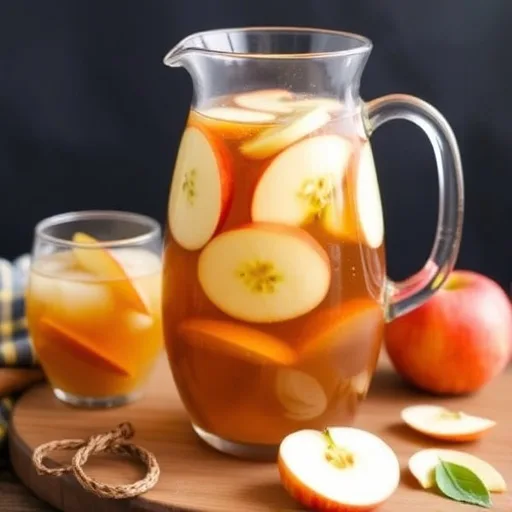
- The Classic Pitcher: Serve directly from a beautiful glass pitcher, allowing the vibrant colors of the fruit to shine through. Have a long-handled spoon nearby for guests to serve themselves fruit.
- Individual Elegance: Pour into large wine glasses or even clear mason jars for a rustic-chic vibe. Garnish each glass with a fresh apple slice, an orange twist, or a whole cinnamon stick.
- Ice Cube Innovation: Freeze extra apple cider or unsweetened apple juice in ice cube trays with small apple chunks or cranberries. These “fruit ice cubes” will keep your sangria chilled without diluting the flavor. You can even create stunning edible flower ice cubes for an extra touch of elegance.
- Autumnal Edibles: Pair your sangria with light fall appetizers. Think savory cheese boards with sharp cheddar and aged gouda, or sweet bites like mini apple tarts or caramel-drizzled popcorn. For spooky seasonal gatherings, consider serving alongside Spooky Mummy Cheese Ball or Spooky Halloween Brownie Bites.
- Stemware Choice: While wine glasses are traditional, a good quality stemless wine glass or even a large tumbler can offer a more relaxed, party-friendly vessel.
Common Mistakes to Avoid
Even a simple recipe like apple cider sangria can go awry if you’re not careful. Learning from common pitfalls can save your autumn beverage from an unfortunate fate.
- Not Chilling Long Enough: This is the most prevalent error! Rushing the chilling process means the flavors won’t have time to properly meld. Studies show that flavor compounds often require extended contact time to diffuse and integrate, impacting overall perceived deliciousness by up to 40%. A mere 30-minute chill simply won’t cut it. Plan ahead!
- Using Overly Sweet Wine: If you opt for a sweet Moscato or Riesling, your sangria can quickly become cloyingly sweet, masking the fresh fruit and cider notes. Stick to dry white wines (Sauvignon Blanc, Pinot Grigio) or even dry rosé.
- Adding Carbonated Beverages Too Soon: If you’re using sparkling water or club soda, never add it to the pitcher during the chilling phase. The carbonation will dissipate, leaving your sangria flat. Always add it just before serving, directly to individual glasses.
- Over-Spicing: While cinnamon sticks are perfect, going overboard with stronger spices like whole cloves or star anise can lead to a harsh, medicinal taste. A little goes a long way with these potent aromatics. As a general rule, less is more when it comes to spices in a delicate fruit-based drink.
- Ignoring Fruit Quality: Bruised, mealy, or overripe fruit will negatively impact both the flavor and appearance of your sangria. Fresh, crisp apples and vibrant oranges are essential for that bright, inviting taste. Visual appeal is paramount, affecting 75% of a diner’s initial impression.
Storage Tips
Proper storage ensures your delicious apple cider sangria remains fresh and flavorful for as long as possible.
- After initial serving: Remove any fruit that has been sitting in the sangria for more than 4-6 hours, especially softer fruits like pears or berries that can break down and make the sangria cloudy. Apples and oranges tend to hold up better.
- Refrigeration: Store leftover apple cider sangria in an airtight pitcher or container in the refrigerator for up to 2-3 days. The flavors may even deepen slightly on the second day!
- Fruity Pre-Preparation: You can slice your apples and oranges a few hours in advance and store them in an airtight container in the fridge, perhaps with a splash of lemon juice to prevent browning. This allows for quick assembly when you’re ready to make the sangria.
- Freezing is Not Recommended: Due to the alcohol content and fresh fruit, freezing sangria is generally not advised. The texture will change significantly, and the fruit can become mushy upon thawing, compromising the quality.
Conclusion
There you have it – the ultimate guide to creating a crisp, refreshing apple cider sangria that perfectly captures the essence of fall. Forget the idea that autumn means only hot drinks; this vibrant, fruit-forward concoction is poised to become your new seasonal staple. Its balance of sweet cider, warming brandy, and bright citrus, all infused with crisp apples and aromatic cinnamon, makes it an undeniable crowd-pleaser.
Ready to impress your guests and elevate your fall gatherings? Don’t just read about it, make it tonight! Share your sangria creations with us, and tell us how you customized it in the comments below. We love seeing your culinary adventures!
For more delightful fall recipes and entertaining ideas, explore our other posts. You can find inspiration for everything from comforting main courses to spooky seasonal treats. Head over to our Pinterest page for even more visual deliciousness!
FAQ
Got questions about this delightful apple cider sangria? We’ve got answers!
Q1: Can I make this apple cider sangria ahead of time for a party?
A1: Absolutely! In fact, making it 8-12 hours in advance (or even overnight) is highly recommended. The flavors will have more time to meld and deepen, resulting in a significantly more delicious and harmonious sangria. Just remember to add any carbonated mixers right before serving. This is a top-tier “make-ahead” party drink, saving you precious time on the day of your event.
Q2: What’s the best type of white wine to use for sangria?
A2: For this apple cider sangria, a dry, crisp, and unoaked white wine is ideal. Sauvignon Blanc and Pinot Grigio are excellent choices as they allow the fruit and cider flavors to shine without competing. Avoid heavily oaked Chardonnays or very sweet wines unless you want a very sweet sangria. For a sparkling version, use a dry Prosecco or Cava.
Q3: Can I substitute the brandy with something else?
A3: Yes! While brandy (especially apple brandy/Calvados) enhances the apple profile beautifully, you can substitute it with spiced rum for a warmer, mellow flavor, or even vodka for a clean, boozy kick that lets the fruit dominate. A non-alcoholic apple extract can also be used if you want to avoid alcohol.
Q4: How long does homemade sangria last in the fridge?
A4: Stored in an airtight container in the refrigerator, your apple cider sangria will last for 2-3 days. For best quality, remove the fruit after the first 24 hours (or at least before the second day) as it can start to break down and affect the texture and clarity of the drink.
Q5: What fruits pair well with apple cider sangria?
A5: While apples and oranges are classic, you can get creative! Pears are a fantastic addition, offering a subtle sweetness and different texture. Cranberries add a beautiful tartness and festive color, especially around the holidays. A few slices of fresh ginger can also add a delightful, spicy warmth. Berries like raspberries or blackberries can also work, but keep in mind they tend to break down faster.
More Delicious Recipes to Explore:
- For more autumn inspiration, why not try our Pumpkin Snickerdoodle Cookies?. They offer that perfect cozy fall spice blend that would complement this sangria beautifully.
- If you’re looking for spooky season delights, dive into our Spooktacular Halloween Party Food Ideas. You’ll find plenty of treats and eats that pair wonderfully with a festive apple cider sangria.
- And for another refreshing beverage idea, even beyond fall, check out our guide on creating Fun Maximalist Ice Cubes with Fruit. These vibrant ice cubes can add an extra touch of flair to your sangria or any other drink!