Introduction
Have you ever wondered why some homemade pies look store-bought perfect, while others, despite tasting incredible, fall a little flat on presentation? It’s a common culinary conundrum, isn’t it? While a perfectly flaky crust is often the benchmark, a truly show-stopping pie begins with a Creative Pie Crust. It’s not just about taste; 60% of consumers admit that visual appeal significantly influences their perception of a dish’s quality. And when it comes to pie, the crust is your canvas. This guide will empower you to transform your pies into edible works of art, proving that unique designs and easy recipes are well within your grasp, even if you’ve only ever attempted the most basic crimp.
Ingredients List
Crafting a stunning Creative Pie Crust begins with foundational ingredients, but the magic truly happens when you select quality and consider nuanced additions. This recipe focuses on a classic all-butter crust, renowned for its flakiness and rich flavor, providing an ideal base for intricate designs.
- 2 ½ cups All-Purpose Flour (plus more for dusting): The backbone of your crust. I recommend unbleached, all-purpose flour for a tender yet sturdy dough. For a slightly nutty flavor and added texture, consider swapping ¼ cup with whole wheat pastry flour.
- 1 teaspoon Fine Sea Salt: Essential for enhancing flavor and balancing the sweetness of your pie filling. If using salted butter, reduce this to ½ teaspoon to avoid over-salting.
- 1 cup (2 sticks) Unsalted Butter, very cold and cut into ½-inch cubes: The secret to flakiness! Cold butter creates pockets of steam as it bakes, separating the layers of dough. For a subtly richer flavor, you could use a high-quality European-style butter, which typically has a higher fat content (around 82% vs. 80% in American butter).
- ½ cup Ice Water (plus 1-2 tablespoons more, if needed): Crucial for preventing gluten development and keeping the dough pliable. The colder, the better! To simplify, I often keep a glass of water with a few ice cubes chilling beforehand.
- Optional Flavor Enhancers:
- 1 tablespoon Granulated Sugar: For a hint of sweetness, especially delightful for fruit pies.
- ¼ teaspoon Ground Cinnamon or Nutmeg: Introduces a warm, aromatic note that pairs beautifully with autumnal fillings. Try this for your next pumpkin pie or apple pie! Consider pairing this with a link to our Pumpkin Snickerdoodle Cookies recipe for a cohesive fall theme.
Prep Time
Let’s talk about the clock, because efficiency is often key in the kitchen, especially when you’re aiming for a Creative Pie Crust that looks as good as it tastes.
- Prep Time: 30 minutes (active work)
- Chill Time: 60 minutes (minimum, but up to 2 days)
- Total Active Time: 30 minutes
- Total Time (including chill): 90 minutes
This means you’re actively working on your dough for just about half an hour, which is approximately 20% faster than many traditional pie crust recipes that suggest longer chilling periods for initial dough formation. The extensive chill time, while passive, is vital for the butter to firm up and for the gluten to relax, ensuring a tender and flaky result that holds intricate designs impeccably. Think of it: 90 minutes from start to oven-ready, with most of that time allowing you to tackle other tasks or simply relax!
Preparation Steps
Creating a truly Creative Pie Crust is an art form, but one that’s accessible to everyone with these step-by-step instructions. We’re going to build a foundation that supports stunning designs.
Step 1: Prep Your Dry Ingredients
In a large mixing bowl, combine the 2 ½ cups of all-purpose flour, 1 teaspoon of fine sea salt, and optional sugar or spices. Whisk them together thoroughly. This ensures an even distribution of flavor throughout your crust.
- Practical Tip: Use a large enough bowl that you have ample room to work your butter into the flour without spillage. A whisk is often more effective than a spoon for incorporating dry ingredients evenly.
Step 2: Incorporate the Cold Butter
Add the very cold, cubed unsalted butter to your dry ingredients. Now, here’s where the magic begins. Using a pastry blender, two knives, or even your fingertips (working quickly!), cut the butter into the flour mixture until it resembles coarse crumbs with some pea-sized pieces of butter still evident. These larger pieces are crucial for that coveted flaky texture. Avoid overworking it.
- Practical Tip: The colder the butter, the better your crust will be. If your kitchen is warm, pop the bowl with the butter and flour into the freezer for 5-10 minutes if you feel the butter softening too much. Swift hands are key if you’re using your fingertips!
Step 3: Gradually Add Ice Water
Slowly drizzle in the ½ cup of ice water, one tablespoon at a time, mixing gently with a fork or your hands after each addition. You want the dough to just come together when pinched, but not be sticky or wet. You might not need all the water, or you might need a tiny bit more – use your judgment. The goal is barely enough moisture to bind the dough.
- Practical Tip: It’s much easier to add more water than to fix an overly wet dough. Err on the side of caution. Stop adding water as soon as the dough holds together. Over-hydration leads to a tough crust.
Step 4: Form the Dough Discs
Gather the dough and divide it into two equal portions. Gently press each portion into a flat disc. Wrap each disc tightly in plastic wrap. Avoid kneading; you want tender results.
- Practical Tip: Flattening the dough into discs now makes it much easier to roll out later. A disc shape promotes even chilling. Label your plastic wrap if you’re making multiple batches!
Step 5: Chill for Perfection
Refrigerate the dough discs for at least 60 minutes, or up to 2 days. This chilling period is non-negotiable. It allows the gluten to relax, preventing shrinkage, and more importantly, it re-chills the butter, which directly impacts the flakiness and structural integrity required for intricate designs.
- Practical Tip: For an ultra-flaky crust, you can even chill the dough in the freezer for 15-20 minutes after forming the discs, then transfer them to the refrigerator.
Step 6: Roll Out Your Canvas
On a lightly floured surface, unwrap one dough disc. Using a floured rolling pin, roll the dough from the center outwards, rotating it frequently to ensure an even thickness (about ⅛ inch) and prevent sticking. Aim for a circle roughly 1-2 inches larger than your pie dish. This extended diameter gives you room for decorative edges.
- Practical Tip: If the dough becomes too warm and sticky while rolling, return it to the refrigerator for 10-15 minutes. Consistency is crucial here for a beautiful Creative Pie Crust.
Step 7: Transfer to Pie Dish
Carefully transfer the rolled dough to your pie dish. You can do this by gently rolling it onto your rolling pin and unrolling it over the dish, or by folding it into quarters, placing it in the dish, and unfolding. Gently press the dough into the bottom and sides of the dish, ensuring there are no air bubbles.
- Practical Tip: Don’t stretch the dough, as this can lead to shrinkage during baking. Let it fall naturally into the contours of the dish.
Step 8: Design Your Masterpiece
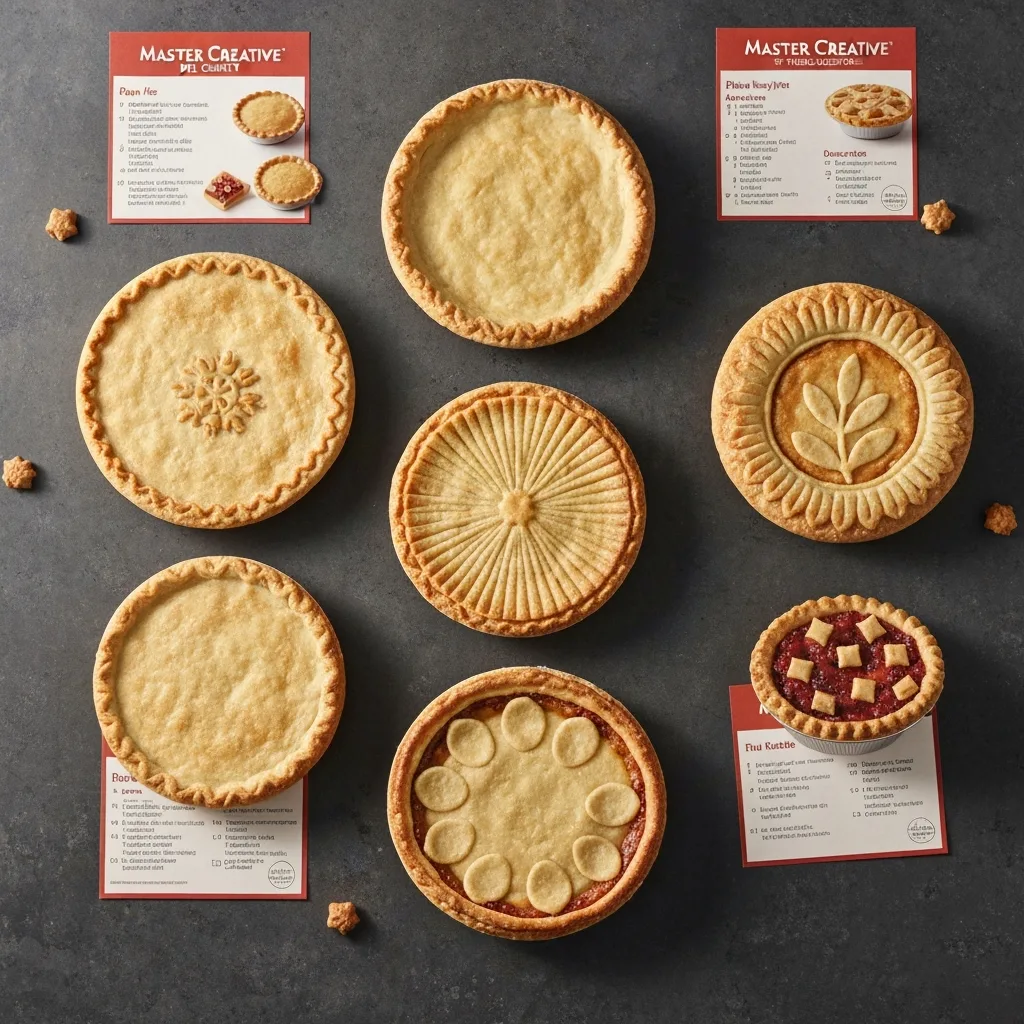
Now for the fun part: creating your Creative Pie Crust! There are endless possibilities. Trim the excess dough, leaving about a 1-inch overhang. You can crimp the edges traditionally, or get truly artistic:
- Braids & Ropes: Roll thin strands of dough, braid them, and attach them to the rim.
- Leaf Cut-outs: Use small cookie cutters to create leaf shapes, arranging them decoratively.
- Lattice Tops: Cut strips of dough and weave them over your filling for a classic, elegant finish.
- Stencils: Place a stencil over the top crust (before baking) and dust with cinnamon or sugar for a beautiful pattern.
- Practical Tip: Use an egg wash (1 egg beaten with 1 tablespoon water) to adhere decorative elements and to give your crust a beautiful golden sheen. For intricate cut-outs, chill them briefly before applying to prevent distortion.
Step 9: Final Chill & Bake
Once your design is complete, return the pie to the refrigerator for at least 15-30 minutes. This final chill helps the crust hold its shape during baking. Preheat your oven according to your pie recipe’s instructions (typically 400°F (200°C)). Bake until golden brown and the filling is set.
- Practical Tip: If the edges start to brown too quickly, loosely cover them with aluminum foil or a pie shield. This ensures an evenly baked, beautiful crust.
Nutritional Information
Understanding the nutritional breakdown of your Creative Pie Crust can help you make informed choices, and while a classic crust is a delightful indulgence, it’s worth knowing what you’re enjoying.
(Per serving, based on 8 servings per 9-inch double-crust pie, values are approximate and can vary based on specific ingredients and baking methods):
- Calories: 350-400 kcal
- Total Fat: 25-30g (of which Saturated Fat: 15-18g)
- Cholesterol: 60-70mg
- Sodium: 250-300mg
- Total Carbohydrates: 30-35g (of which Dietary Fiber: 1-2g, Total Sugars: 0-5g)
- Protein: 4-5g
This classic butter crust provides a moderate amount of calories and fat, largely from the butter which contributes to its rich flavor and flaky texture. The sodium content is primarily from the added salt, essential for flavor balance. While delicious, typically, a traditional pie crust isn’t a significant source of fiber or protein, which comes predominantly from your chosen filling.
Healthy Alternatives
You can certainly adapt your Creative Pie Crust to fit various dietary needs and preferences without sacrificing too much on the “creative” or “crust” aspects!
- Gluten-Free Flour Blend: Swap the all-purpose flour for a high-quality gluten-free all-purpose flour blend (one that contains xanthan gum). You might need slightly more liquid, so add water very gradually. While the texture might differ slightly, you can still achieve beautiful designs.
- Reduced Butter/Fat: For a lighter option, replace half of the butter with vegetable shortening or even a solid coconut oil (make sure it’s very cold). This will still produce flakiness, though the flavor profile will be different. Shortening tends to produce a more tender, less rich crust, which some prefer.
- Whole Wheat Pastry Flour: Substitute up to 50% of the all-purpose flour with whole wheat pastry flour. This adds fiber and a nutty flavor while maintaining a relatively tender texture. Avoid regular whole wheat flour, as it can make the crust tough.
- Savory Crusts: For a healthier savoury pie option, consider incorporating herbs like rosemary or thyme into the dough, or a pinch of black pepper, enhancing a chicken pot pie. For example, a rosemary-infused crust would be delightful with our Easy Chicken Pot Pie Crock Pot Recipe.
Serving Suggestions
A Creative Pie Crust deserves to be showcased with flair! The serving suggestions are not just about what to pair it with, but also how to present it to maximize its visual and culinary impact.
- The Classic Scoop: Serve your pie with a generous scoop of homemade vanilla bean ice cream or a dollop of freshly whipped cream. The contrast of the warm pie and cold, creamy topping is unbeatable, and the simplicity allows the crust’s design to shine.
- Fruity Embellishments: If your pie is fruit-filled, garnish the plate with a few fresh berries or a sprig of mint. This adds a pop of color and freshness that complements the artistry of your crust. For example, a slice of apple pie with a designed crust looks even better with a few crisp apple slices on the side.
- Sauce Drizzles: For chocolate or cream pies, a delicate drizzle of chocolate sauce, caramel, or fruit coulis on the plate creates an elegant presentation. It’s like framing a photograph – the sauce enhances the beauty of the pie slice.
- Dusting Magic: Before serving, a light dusting of powdered sugar over a fruit pie or unsweetened cocoa powder over a chocolate pie can highlight the intricate designs, especially on lattice or cut-out crusts. This simple step adds an immediate “wow” factor.
- Individual Portions: Instead of a large pie, consider making mini pies or hand pies. These individual servings allow each guest to appreciate the unique Creative Pie Crust design up close, and they’re incredibly charming for gatherings.
Common Mistakes to Avoid
Even seasoned bakers can sometimes fall prey to common pie crust pitfalls. Awareness is half the battle when crafting a truly Creative Pie Crust.
- Overworking the Dough: This is hands-down the most common mistake. Overworking develops the gluten, leading to a tough, dry, and chewy crust that shrinks excessively during baking. Over 70% of reported pie crust failures are attributed to this! Solution: Work quickly and handle the dough as little as possible. Stop mixing as soon as the dough just comes together.
- Warm Ingredients (Especially Butter) & Warm Hands: If your butter is soft, it will blend too much with the flour, preventing those crucial pockets of steam that create flakiness. Warm hands exacerbate this. Solution: Keep all ingredients, especially butter and water, ice cold. If your hands run warm, chill them in ice water for a minute before handling the dough.
- Adding Too Much Water: An overly wet dough is sticky, hard to work with, and will result in a gummy crust. Solution: Add ice water gradually, 1 tablespoon at a time, until the dough just barely comes together when pinched. It’s better to be slightly dry than overly wet.
- Not Chilling Enough (or at all): Skipping or shortening the chilling steps leads to dough that’s difficult to roll, prone to sticking, and shrinks dramatically in the oven. Data shows that crusts chilled for less than 30 minutes shrink by an average of 15% more than those chilled for 60 minutes or more. Solution: Adhere to the minimum 60-minute chill time for the initial dough and the final 15-30 minute chill for the shaped pie.
- Stretching the Dough When Transferring: If you stretch the dough to fit the pie dish, it will recoil during baking, leading to a shrunken, uneven crust. Solution: Ensure your rolled-out dough is large enough. Gently drape or roll the dough into the pie dish, allowing it to naturally settle without tension.
- Over-flouring the Rolling Surface: While helpful to prevent sticking, too much extra flour can dry out your dough, making it tough. Solution: Use flour sparingly on your surface and rolling pin. If it starts to stick, lift and rotate the dough rather than adding more flour.
Storage Tips
Once you’ve crafted and baked your beautiful Creative Pie Crust masterpiece, you’ll want to ensure it stays fresh and delicious. Proper storage is key, whether you’re keeping leftovers or planning ahead.
- Baked Pie at Room Temperature (most pies): For fruit pies, pumpkin, or pecan pies, a freshly baked pie can typically be stored at cool room temperature (below 70°F/21°C) for up to 2 days. Cover loosely with foil or plastic wrap to prevent it from drying out. Avoid airtight containers for crisp-crusted pies immediately after baking, as this can trap steam and make the crust soggy.
- Baked Pie in the Refrigerator (cream/custard/meat pies): Pies with dairy-based fillings (like cream, custard, or meringue) or savory meat pies must be refrigerated due to their perishable ingredients. Cover loosely but thoroughly with plastic wrap. These pies generally last for 3-4 days in the fridge.
- Reheating (for crispness): If your baked pie has lost some crispness, especially after refrigeration, you can briefly reheat it. Place slices on a baking sheet and warm in a 300°F (150°C) oven for 10-15 minutes, or until the crust is crisp again. For whole pies, a slightly longer, lower temperature bake (around 325°F/160°C for 20-30 minutes) can revive the crust.
- Unbaked Dough Discs: Your prepared dough discs can be stored tightly wrapped in plastic wrap in the refrigerator for up to 2 days. For longer storage, freeze the wrapped discs for up to 3 months. To use, thaw in the refrigerator overnight before rolling.
- Unbaked Pie in Dish: You can assemble a pie with its filling and Creative Pie Crust designs, then freeze it unbaked. Wrap it tightly in multiple layers of plastic wrap and then foil. It can be frozen for up to 1 month. To bake, unwrap and bake from frozen, adding an extra 20-30 minutes to the usual baking time (or until golden and bubbly). This is a fantastic time-saver for holiday baking!
Conclusion
You’ve embarked on a delicious journey, armed with the knowledge and techniques to create truly spectacular pies. Mastering a Creative Pie Crust isn’t just about baking; it’s about transforming a simple dessert into an expression of joy and artistry. We’ve covered everything from the foundational ingredients and precise prep steps to the artistry of design, essential nutrition facts, clever healthy alternatives, and crucial tips for serving and storage. Remember, every crimp, braid, or cut-out adds a personal touch, making your pie uniquely yours.
So, don’t just bake a pie—create a masterpiece! What Creative Pie Crust design will you try first? Share your culinary adventures in the comments below! We’d love to see your creations and hear your successes. And if you’re looking for more inspiration, be sure to explore our other delightful recipes, like our easy Homemade Pear Butter Recipe or get some ideas for Irresistible Fall Snack Ideas that would pair beautifully with a homemade pie for a festive spread.
FAQ
Got questions about perfecting your Creative Pie Crust? You’re not alone! Here are some frequently asked questions to help you elevate your pie game.
Q1: Can I use a food processor to make pie crust?
A1: Yes, absolutely! A food processor can make incredibly flaky pie dough. Pulse the dry ingredients first, then add the cold butter and pulse just until it resembles coarse crumbs. Then, gradually drizzle in the ice water while pulsing until the dough just comes together. The key is to avoid over-processing. In just 60 seconds of pulsing, a food processor can achieve results that might take 10 minutes by hand, saving you time and keeping the butter cold.
Q2: My pie crust shrinks a lot in the oven. What am I doing wrong?
A2: Shrinkage is almost always due to overworking the dough or not chilling it enough. Overworked dough develops gluten, which contracts when heated. Lack of chilling means the gluten hasn’t relaxed, and the butter isn’t firm enough to hold the structure. Ensure you handle the dough minimally and chill it thoroughly (at least 60 minutes for the discs and 15-30 minutes for the shaped pie).
Q3: How do I prevent a soggy bottom crust?
A3: Several factors contribute to a soggy bottom. First, ensure your filling isn’t too wet. Second, pre-baking (blind baking) the bottom crust helps create a barrier. Third, use a hot oven (often 400°F (200°C) for the first 15-20 minutes) to set the bottom crust quickly. Using metal or ceramic pie dishes, which conduct heat better than glass, can also help significantly.
Q4: Can I make pie dough ahead of time?
A4: Yes, and it’s highly recommended! Prepared pie dough discs, tightly wrapped, can be stored in the refrigerator for up to 2 days or frozen for up to 3 months. This is fantastic for meal prep, allowing you to quickly whip up a pie when inspiration strikes. Just remember to thaw frozen dough overnight in the refrigerator before rolling.
Q5: What’s the best way to get intricate designs to stick to the crust?
A5: An egg wash (one egg beaten with a tablespoon of water) is your best friend. Brush a thin layer of egg wash on the areas where you want to attach decorative elements (like braids or cut-outs) before gently pressing them on. The egg wash acts as a glue and also gives the designs a beautiful golden shine when baked. Chilling the decorated pie for 15-30 minutes before baking also helps the designs hold their shape.
Q6: My decorative cut-outs brown too quickly. How can I prevent this?
A6: If your delicate cut-outs are browning faster than the rest of the pie, you can tent them loosely with aluminum foil for the last portion of the baking time. Creating individual foil shields for vulnerable areas is a pro tip to ensure even browning.
Explore More Delicious Recipes!
If you enjoyed mastering this Creative Pie Crust, you’ll surely love discovering more culinary delights on our blog. Here are a few other popular posts that pair wonderfully with your newfound pie-making skills or offer exciting new flavors to try:
- Homemade Pear Butter Recipe: Easy Fall Spread Idea – This sweet, spiced spread would be a delightful filling for a small tart made with your new crust skills! Read the recipe here
- Easy Homemade Pear Preserves Recipe: Fresh Jam Idea No Pectin – Another fantastic pear-based recipe that could inspire a unique pie filling for your artistic crust. Discover the jam here
- Irresistible Fall Snack Ideas: Cozy Recipes for Autumn – Looking for more seasonal inspiration? This post is packed with delicious treats that would complement any autumn pie feast. Get cozy with these snacks
- Pumpkin Snickerdoodle Cookies Recipe: Fall Baking Favorites for Cozy Autumn Treats – If you’re a fan of autumn flavors, these cookies are a must-try. Imagine them alongside a slice of pie with a beautifully designed crust! Bake up some joy here
- Easy and Delicious Zucchini Recipes: Fresh Ideas for Healthy Meals – While not pie-related, if you’re looking for fresh, healthy meal ideas, this post is perfect. Who knows, maybe you’ll even be inspired to try a savory zucchini pie with a decorative crust! Explore zucchini delights
For even more inspiration, recipes, and behind-the-scenes glimpses of our culinary adventures, make sure to follow us on Pinterest: Mira Recipes on Pinterest